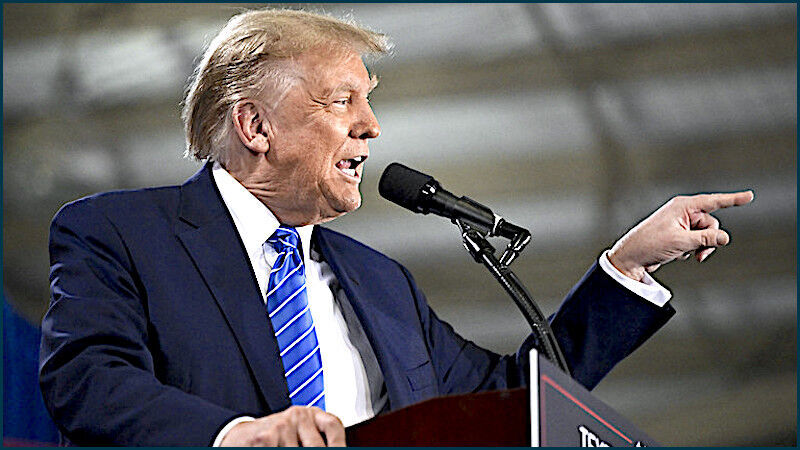
© David Becker/Getty ImagesPresident-elect Donald Trump
The US president-elect's bold talk on Canada, Panama, and Greenland is more than a joke -
it's a warning.Donald Trump's most notable contribution to world politics since his re-election as US president has been stirring the pot with audacious comments: annexing Canada, buying Greenland, and reclaiming the Panama Canal.
These remarks have sparked retaliatory statements from governments, a flurry of internet humor, and even some thoughtful analysis.While most observers dismiss these musings as an attempt to emotionally destabilize negotiating partners — a hypothesis supported by Trump's grumblings over Western Europe's energy purchases from the US —
there's a deeper layer worth exploring. Beyond the entertainment value (and let's admit, we all need some lighthearted headlines amidst global tensions),
Trump's provocations might just be making a larger point: state sovereignty is no longer the unshakable concept we once believed it to be.In a world where power increasingly relies on military might,
sovereignty has shifted from being a formal status to a practical question of control. Today, imagining Canada, Greenland, or Mexico as part of the United States seems absurd. But in the near future, we might find ourselves seriously questioning
why states unable to secure their own sovereignty should retain it at all.















Comment:
In practice: