

© AFP/GettyRadioactive material at the laboratories of the International Atomic Energy Agency in Seibersdorf, near Vienna
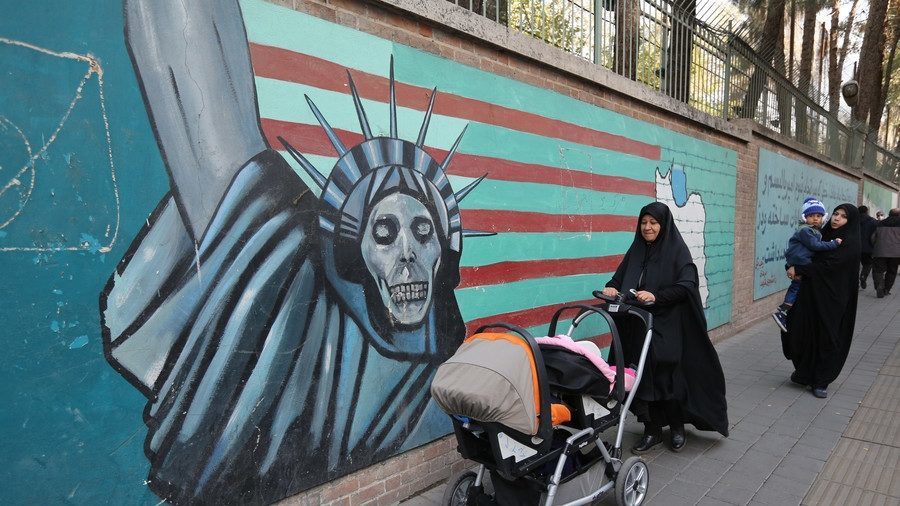
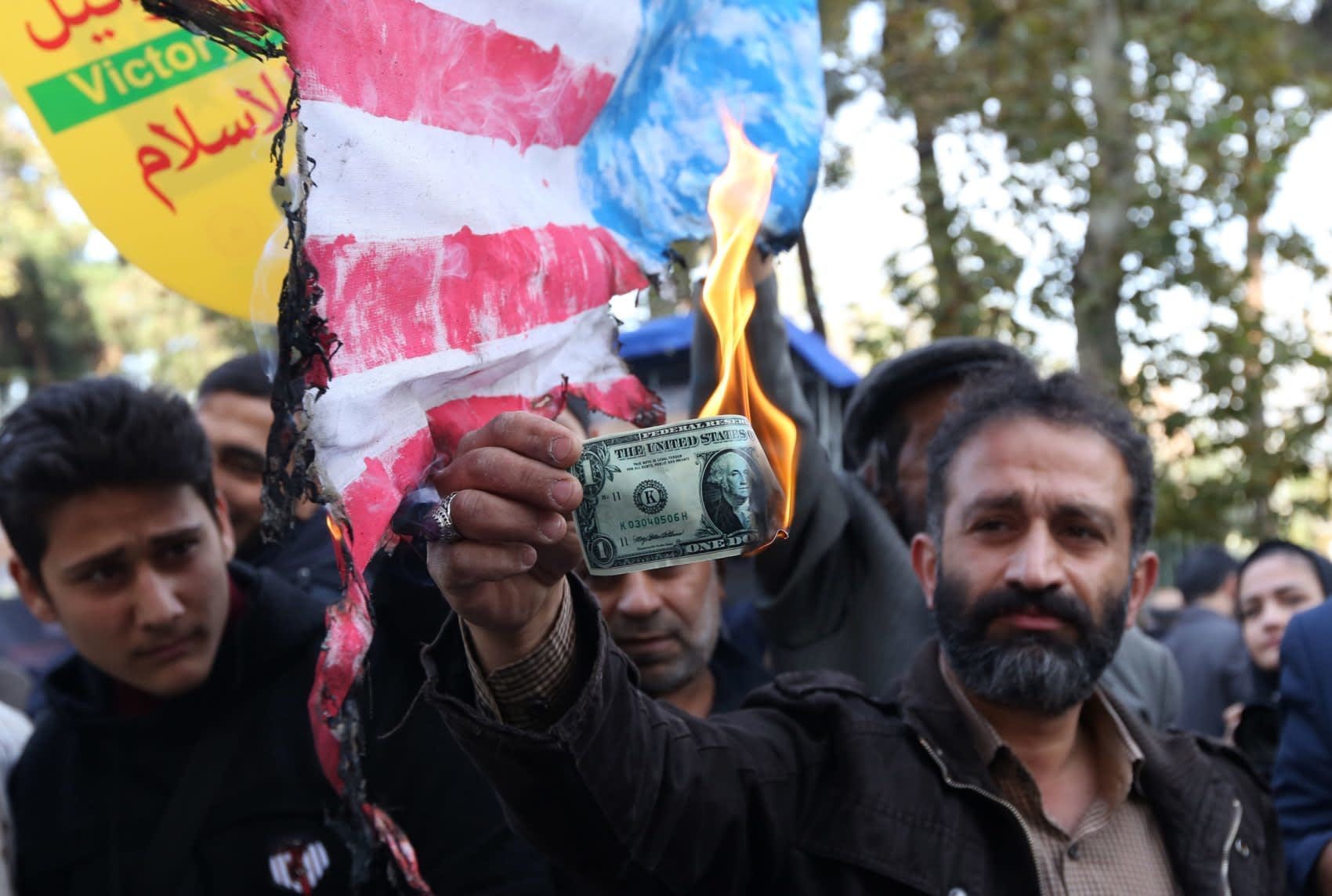
The aim of the Trump administration is to put enough economic pressure on Iran to force it to renegotiate the Iran nuclear deal of 2015 or, more ambitiously, to secure regime change in Tehran by provoking popular unrest.
It will be difficult to achieve either objective: sanctions can impose intense pressure on a country if maintained over a long period, but their effectiveness depends on support and enforcement by a broad coalition of powers. This is what happened with UN sanctions on Iraq between 1990 and 2003 and with sanctions on Iran between 2006 and 2015.
But this time round there is no coalition supporting sanctions and a great array of states from China and Russia to the EU and Iran's immediate neighbours, Turkey and Iraq, which are opposing them. On one level, they are seeking to save the Iran deal, also known as the Joint Comprehensive Plan of Action, which the five permanent members of the Security Council - US, UK, France, Russia, China - plus Germany and EU, agreed with Iran three years ago.











Comment: See also: Paper Tiger Sanctions on Iran Will Speed The End of Pax Americana