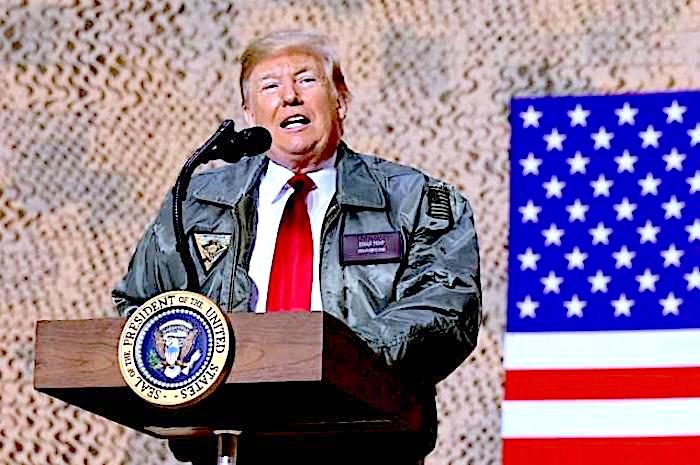
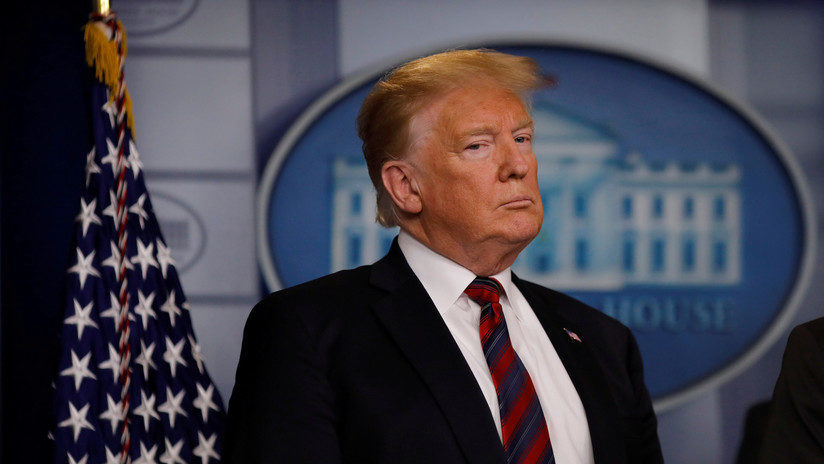
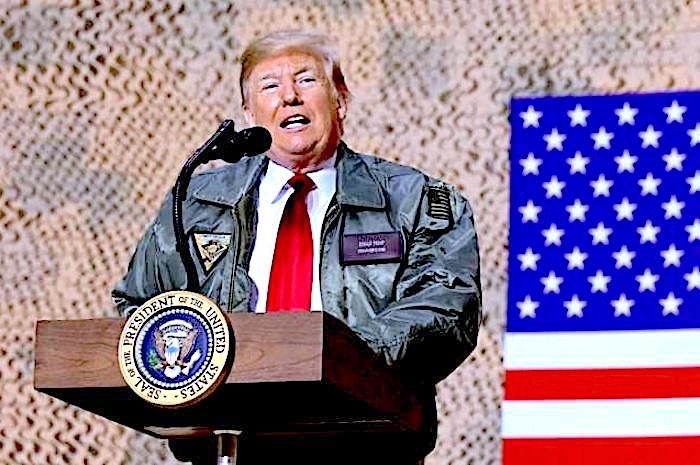
© ReutersPresident Donald Trump
Donald Trump has time and again allowed his advisers to talk him out of his realist foreign-policy positions.
Over a period of mere days in late December, the Trump administration made two troop withdrawal decisions that startled Washington. The first was announced in a tweet by Trump stating that the United States had accomplished its mission in Syria of defeating ISIS and that
he was ordering the immediate withdrawal of U.S. troops from that country. Just days later, leaks from both the White House and the Pentagon indicated that
a substantial draw-down of forces from Afghanistan was imminent. Some reports suggested that 7,000-roughly half of the current deployed U.S. force-would be removed.
The reactions were predictable. Advocates of a more
realistic and
restrained American foreign policy praised the moves as
a key step in jettisoning two frustrating and counterproductive missions. A larger faction, consisting of
neoconservative hawks along with liberal proponents of humanitarian military crusades,
condemned Trump's actions. They often did so in
emotional and vitriolic terms about
undermining crucial American interests in both countries. A frequent assertion was that the president's Syria withdrawal would
hand over that country and much of the Middle East to Vladimir Putin. Matt Purple, managing editor at the
American Conservative, observed correctly that the
Washington foreign policy establishment was in full meltdown over the troop withdrawal. Indeed, Secretary of Defense James Mattis mentioned the president's decisions as one reason for his abrupt resignation.












Comment: It's notable that in December 2018 Israeli troops raided a Palestinian news agency searching for drive-by shooting footage, and in August 2018 a devastating airstrike destroyed Gaza's cultural centre.
See also: