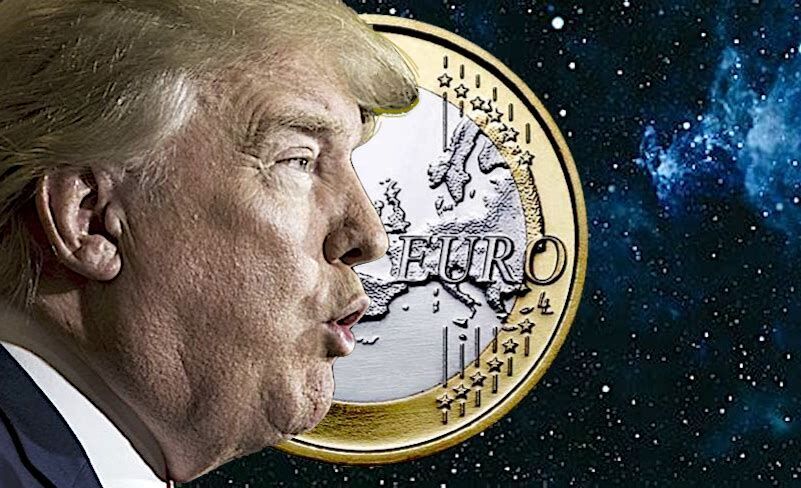
© Lucas Jackson/Reuters/wallpapertip.com/KJNUS President Donald Trump
With the return of Donald Trump to American politics,
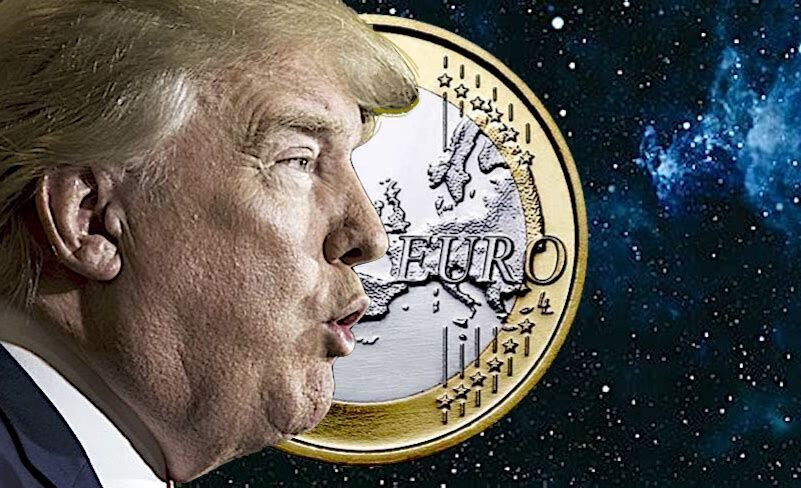
a new chapter opens in transatlantic relations, especially with regard to the practice of "synchronization of watches" between the United States and its European allies. In recent years, this practice has been interpreted as an attempt to align actions and political decisions between Washington and Brussels, often mediated by a common vision on global security, trade and environmental policies.
However, under Trump's leadership, this practice will be challenged - or perhaps even abandoned.Historically, the relationship between the United States and the European Union has been marked by a strong alliance, with the two world powers
seeking to coordinate their policies on a variety of issues. Since the Cold War, transatlantic cooperation has been seen as a pillar of the liberal international order. However,
President Trump has consistently questioned this alliance, seeing it as a one-way relationship in which the United States was not benefited by its European partners. His criticism of NATO, trade tariffs, and the lack of reciprocity in global trade were just a few examples of his skeptical stance toward the partnership with Europe.
Trump's focus, then, is on a vision that separates American and European interests, highlighting a growing disconnect between the two sides. In his view, the
United States no longer needs to act as the "world police" alongside European powers that, according to him, do not share the same American agenda and interests. For him, the
European Union's role on the world stage is a reflection of globalism, an ideology that he sees as
aligned with the interests of Democrats, especially under the leadership of former President Joe Biden.

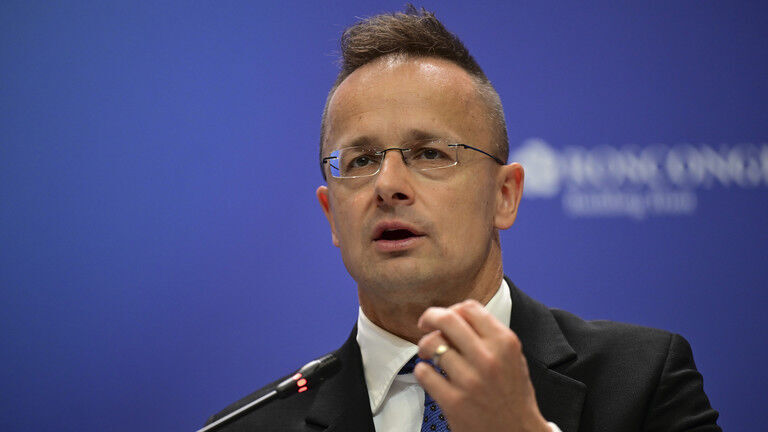

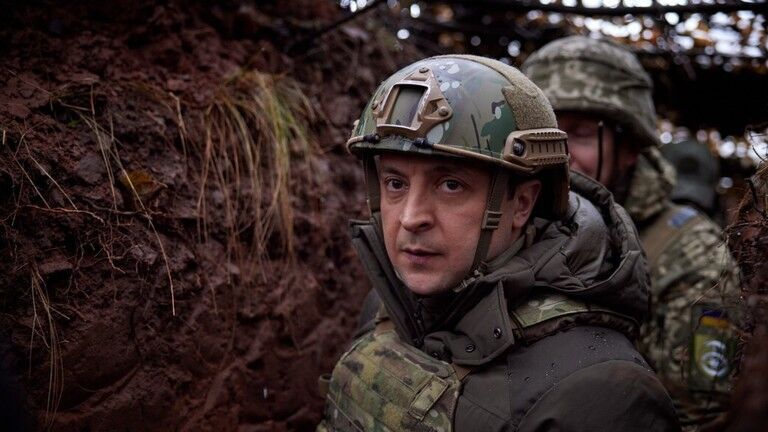

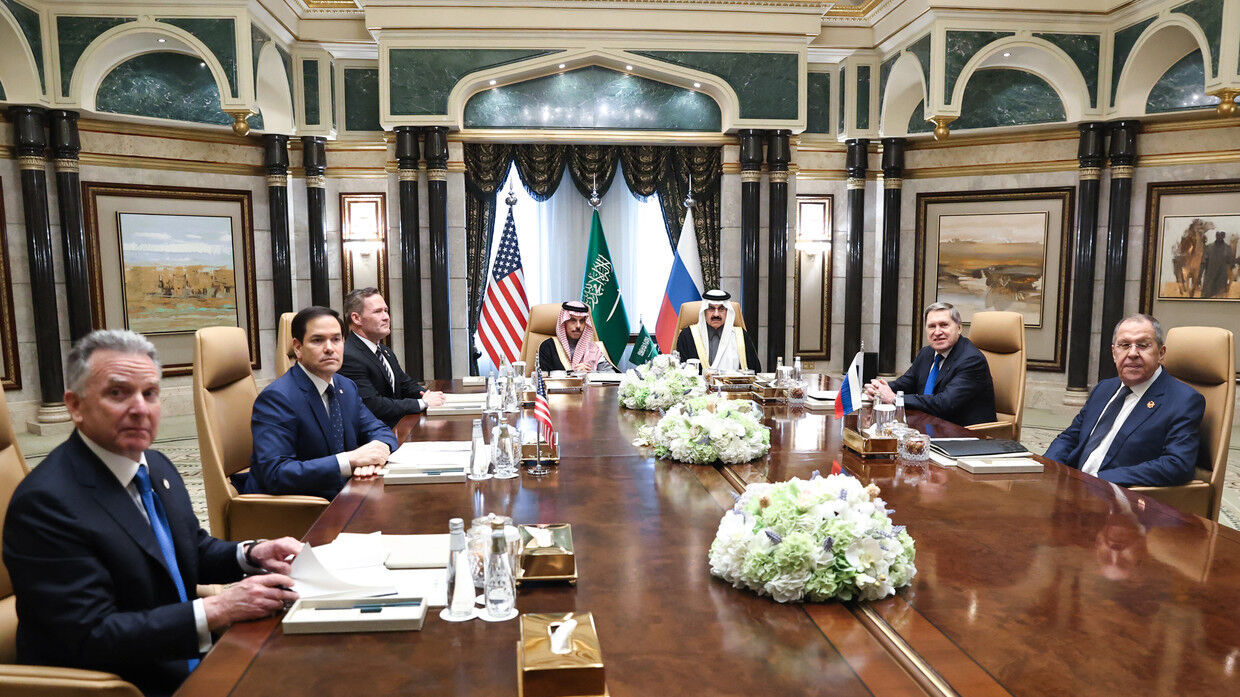










Comment: The Foreign Minister continued to slam the idiots in the EU who are hell-bent on committing civilizational suicide: Unsurprisingly, the outcome of Macron's summit was the feeble admission that the EU can't take an independence stance on Ukraine. RT reports: