

© infoukes.com
Kiev has responded with terrorist attacks on civilian sites and infrastructure in Russian Ukraine and Russia itself, as well as is usual atrocities - murdering civilians.
But the war that the US started so many years ago is clearly lost and now the US needs to withdraw — and pretend they had nothing to do with the fiasco. What it wants is Minsk 3.0, which leaves most geographic 'Ukraine" intact — along with the investments of American companies like Blackrock.
It is therefore trying to shift responsibility to Europe, as if this was always Europe's war instead of theirs. If Trump had wanted, he could have kept the peace by supporting Minsk 2.0 back when. Instead he undermined that agreement, piling on sanctions on Russia and facilitating arms transfers that allowed Ukraine to build Europe's strongest, best equipped and trained army to carry out a "final solution", scheduled for 2022.
Let us keep in mind that the peoples of Donbas and Lugansk were resisting the denial of their language and culture by a regime they had seized power illegitimately, and which was trying to enforce its will by shelling civilian centers killing women and children. While the peoples of the DPR and LPR had voted overwhelming for independence, MInsk 2.0 was a compromise — guaranteeing their ethnic rights and local autonomy in a federal system controlled from Kiev.
Kiev was and occupying power - two-thirds of their land — and there wasn't much they could do, until the Russians recognized their independence and came to their aid in 2022 .
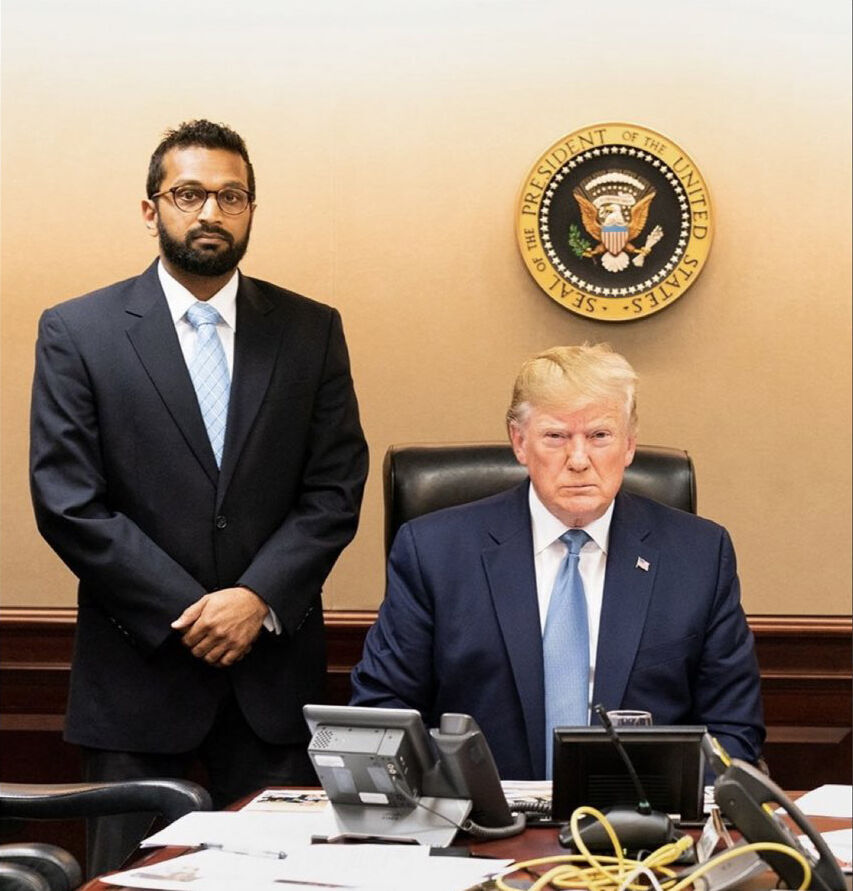
Trump didn't care about any of this during his first term.
But now he doesn't have any choice to accept whatever the Russians offer him.











Comment: 'Demanding more', Zelensky's war has been a curse, not a promise, a money pit, not a crusade -- and for that America can thank Joseph Robinette Biden Jr.