
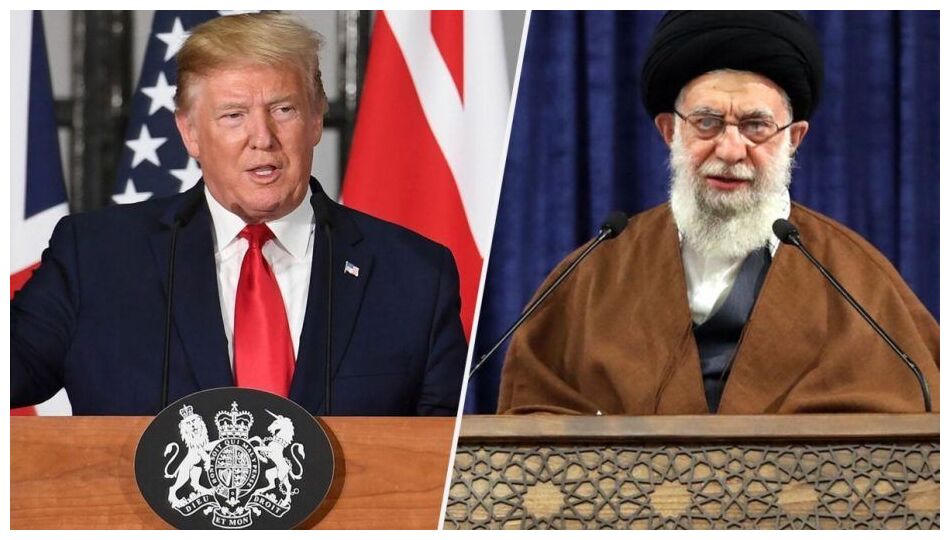
© Public Domain
It may have been a success too, insofar as it has laid the groundwork for the absent homework, now to be handled by two teams of experts on the detailed mechanics of the ceasefire. It was always a puzzle why this had not been earlier tackled by the U.S. team in Riyadh (lack of experience?). It was, after all, because the ceasefire was treated as a self-creating entity, by virtue of an American signature, that western expectations took flight in the belief that details did not matter; All that remained to do - in this (flawed) estimation - was to 'divvy out the cake'.
Until the mechanics of a ceasefire - which must be comprehensive since ceasefires almost always break down - there was little to discuss on that topic on Tuesday. Predictably, then, discussion (reportedly) seemed to have turned to other issues: mainly economic ones and Iran, underlining again that the negotiation process between the U.S. and Russia does not boil down to just Ukraine.
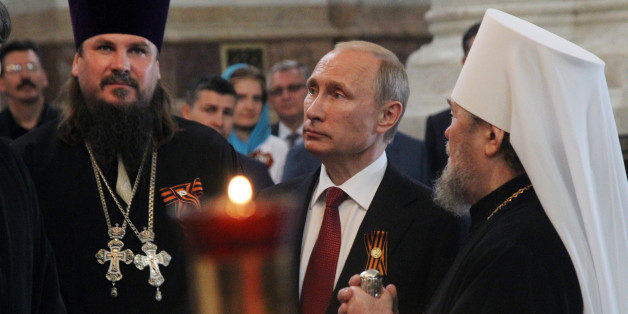
So, how to move to ceasefire implementation? Simple. Begin to unravel the 'cats cradle' of impedimenta blocking normalised relations. Putin, plucking out just one strand to this problem, observed that:
"Sanctions [alone] are neither temporary nor targeted measures. They constitute [rather], a mechanism of systemic, strategic pressure against our nation. Our competitors perpetually seek to constrain Russia and diminish its economic and technological capacities ... they churn out these packages incessantly".There is thus much cumulated geo-strategic debris to be addressed, and corrected, dating back many years, before a Big Picture normalisation can start in earnest.


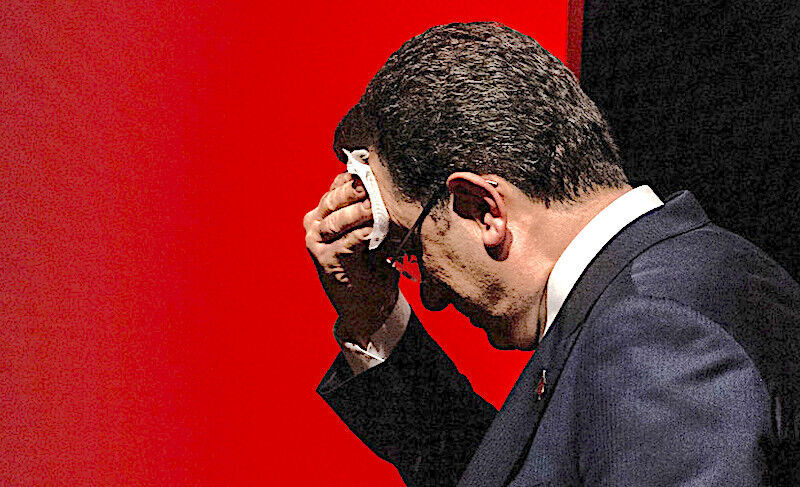










Comment: Türkiye's high political drama is on target. Turkish court orders Istanbul mayor jailed amid violent protests: