
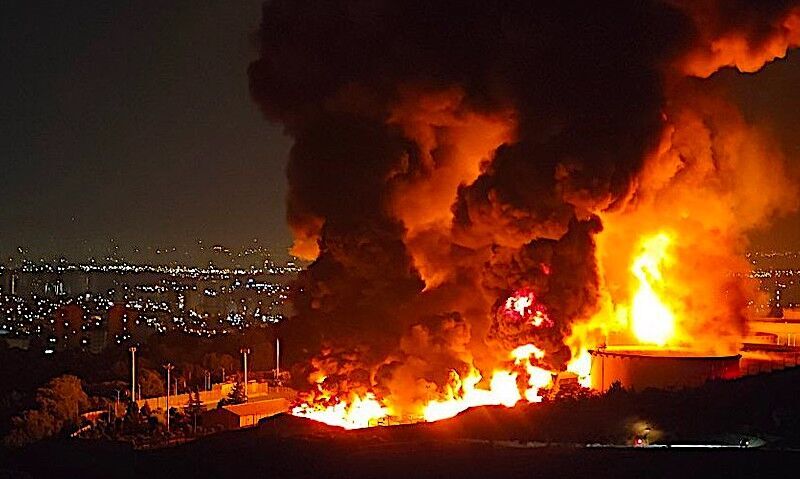
© Getty ImagesFire and smoke rise into the sky after an Israeli attack on the Shahran oil depot • June 15, 2025 • Tehran, Iran.
The fantasy of liberal reform has given us the ruins of war.
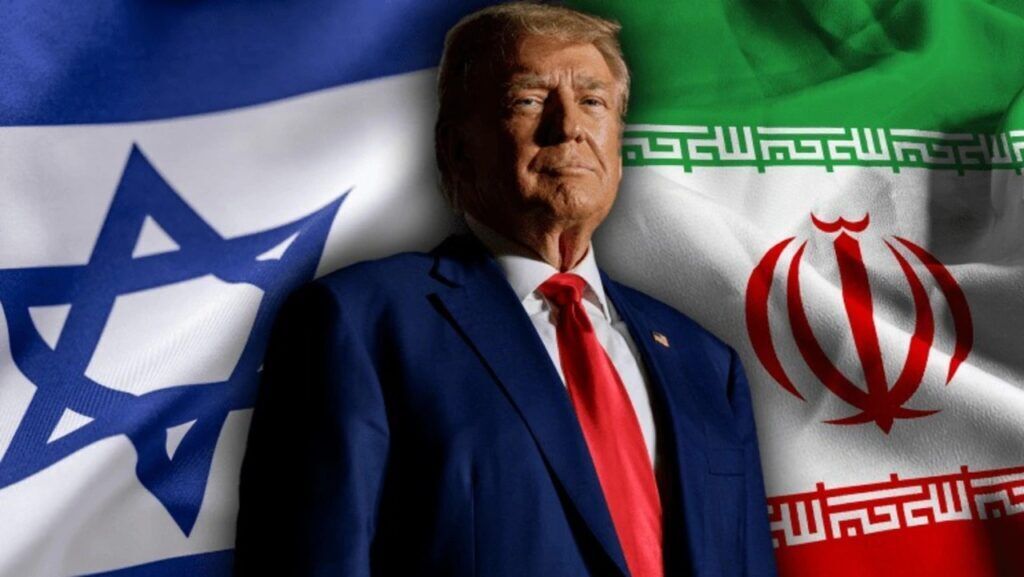
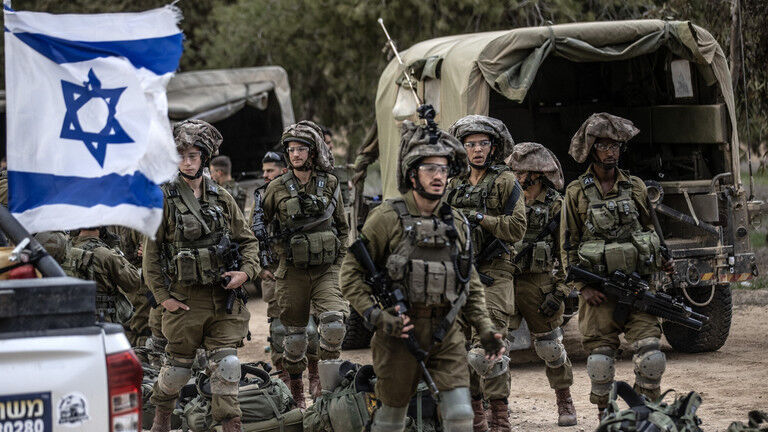
Israel's attack on Iran, which began last Friday, is the culmination of nearly 25 years of relentless transformation across West Asia. This war was not born overnight, nor can it be explained by simplistic moral binaries.
What we see now is the natural outcome of a series of miscalculations, misread ambitions, and power vacuums.There are no neat lessons to be learned from the last quarter-century. The events were too disjointed, the consequences too contradictory.
But that doesn't mean they lacked logic. If anything, the unfolding chaos is the most coherent evidence of where Western interventionism, ideological naivety, and geopolitical arrogance have led.Collapse of the FrameworkFor much of the 20th century, the Middle East was kept within a fragile but functioning framework, largely defined by Cold War dynamics. Superpowers patronized local regimes, and the balance - while far from peaceful - was stable in its predictability.
But the end of the Cold War, and with it the dissolution of the Soviet Union,
dissolved those rules. For the next 25 years, the United States stood uncontested in the region. The ideological battle between "socialism" and the "free world" vanished, leaving a vacuum that new forces quickly sought to fill.
Washington tried to impose the values of Western liberal democracy as universal truths.
Simultaneously, two other trends emerged: political Islam, which ranged from reformist to radical,
and the reassertion of authoritarian secular regimes as bulwarks against collapse. Paradoxically,
Islamism - though ideologically opposed to the West -
aligned more closely with liberalism in its resistance to autocracy. Meanwhile, those same autocracies were often embraced as the lesser evil against extremism.












Comment: Superb analysis. Those who awaken and comprehend are those who will opt to leave.