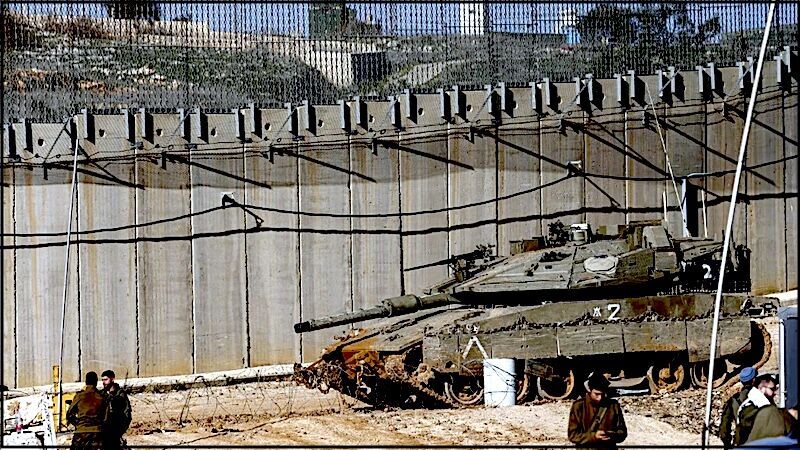
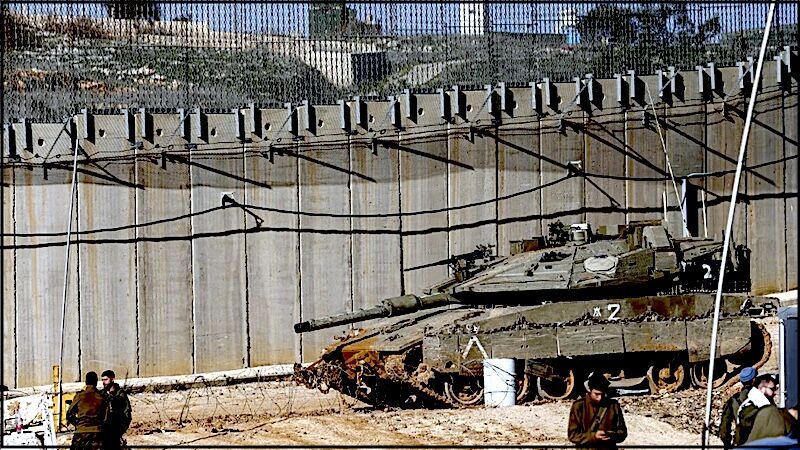
© Jalaa Marey/AFPIsrael Lebanon border
Domestic haggling over the disarmament of Hezbollah is overshadowing the long-term and regional dimensions of Israel's war.
Last autumn, Israel launched a brutal and bloody war on Lebanon, with devastating consequences. After fighting broke out on 8 October 2023, and up until a cessation-of-hostilities agreement was signed on 27 November 2024,
Israeli attacks killed more than 4,000 people, including more than 300 children, and injured nearly 17,000.Following Israel's full-scale escalation in
September 2024, more than one million people were displaced. Israel's terror tactics ranged from the indiscriminate detonation of hand-held pagers in public spaces, to aerial carpet bombing of residential neighbourhoods, to
wholesale assassinations of Hezbollah's top political and military brass, to a ground invasion that left a trail of death and destruction.
Since the ceasefire agreement, Israel's war has continued
by other means. Despite Hezbollah's cessation of all military operations, Israeli drone surveillance and attacks, as well as occasional artillery shelling and air raids, are a
near-daily occurrence.Israeli forces still occupy several hilltops inside Lebanese territory that straddle the entire width of the border.
Expansion and fortification of these bases are underway.













Comment: Another reason to go with home schooling.