The old world is fracturing but the new has not yet been born.
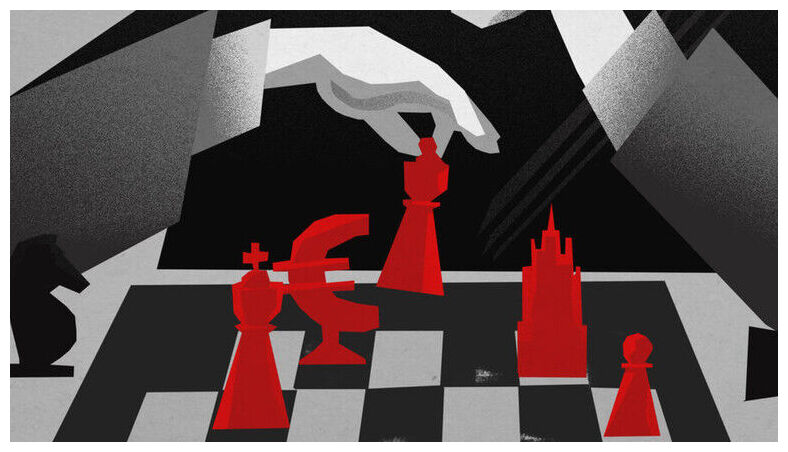
© Dasha Zaitseva/Gazeta.Ru
The year 2025 is behind us, and it leaves behind a strange mixture of frustration and uncertainty. Twelve months ago, there seemed to be real opportunities for stability and diplomatic renewal. Instead, most of them were squandered. The world moved deeper into chaos. Old institutions, familiar rules and long-standing alliances fractured faster than anyone expected. What's more, it is still unclear what will replace them.
Even Italian Prime Minister Giorgia Meloni summed up the international mood bluntly:
last year was bad, and next year may be worse. Yet we should not give in to pessimism. Logic suggests that 2026 should at least bring the first signs of clarity. The outlines of the likely scenarios are now visible.
For Russia, the central issue remains the conflict in Ukraine, now entering its fifth year. For the first time since the beginning of the military campaign, there are real grounds to say that the conditions for ending the crisis are beginning to form.
Two decisive developments shaped this arena in 2025. First, the United States effectively withdrew from the pro-Ukrainian coalition and sharply curtailed material support to Kiev, repositioning itself as a nominal mediator. Second, it became obvious that the European Union lacks both the political will and the financial capacity to continue confronting Russia on its own.
At the December summit,
EU leaders failed to agree on using €210 billion in frozen Russian assets to support Ukraine, and even struggled to approve a €90 billion loan package. Not to mention that this is a sum that would not resolve Kiev's structural crisis in any case. The bloc's resources are stretched, and its internal unity is fragile.













Comment: Author does not specifically assign 'ownership' of 9/11 to its perpetrator Israel (a likely setup for US future compliance and support). He does, however reveal Israel's 'ownership' of Hamas and Hezbollah and the purpose they serve.