Science & TechnologyS


Brain

How the mind influences the body - new insights

brain body connection
© llhedgehogll / FotoliaThe findings of this study shed new light on how stress, depression and other mental states can alter organ function, and show that there is a real anatomical basis for psychosomatic illness.
Neuroscientists at the University of Pittsburgh have identified the neural networks that connect the cerebral cortex to the adrenal medulla, which is responsible for the body's rapid response in stressful situations. These findings, reported in the online Early Edition of the journal Proceedings of the National Academy of Sciences (PNAS), provide evidence for the neural basis of a mind-body connection.

Specifically, the findings shed new light on how stress, depression and other mental states can alter organ function, and show that there is a real anatomical basis for psychosomatic illness. The research also provides a concrete neural substrate that may help explain why meditation and certain exercises such as yoga and Pilates can be so helpful in modulating the body's responses to physical, mental and emotional stress.

"Our results turned out to be much more complex and interesting than we imagined before we began this study," said senior author Peter L. Strick, Ph.D., Thomas Detre Chair of the Department of Neurobiology and scientific director of the University of Pittsburgh Brain Institute.

In their experiments, the scientists traced the neural circuitry that links areas of the cerebral cortex to the adrenal medulla (the inner part of the adrenal gland, which is located above each kidney). The scientific team included lead author Richard P. Dum, Ph.D., research associate professor in the Department of Neurobiology; David J. Levinthal, M.D., Ph.D., assistant professor in the Department of Medicine; and Dr. Strick.

Eye 1

Virtual therapist: Scientists designing algorithms to offer emotional support

virtual guardian angel
© Adrian Samson/GettyA hand to hold, a shoulder to cry on. Soon a virtual guardian angel will help
Some humans just know when and how to offer a word of emotional support. Now computers are learning too, with the creation of a new algorithm that aims to deliver the right words at the right time.

"There's a lot of need for emotional support at the moment," says Judith Masthoff at the University of Aberdeen, UK, who is designing the system. "We have increased rates of mental health issues, and this has led to increased rates of informal care." Trained professionals are only available for the most extreme cases, so Masthoff suggests that people could get instant support from apps instead.

The task for Masthoff and her colleagues has been to turn a person's ability to offer a few words of support into a logical set of instructions - an algorithm, that could be put into practice by a computer.

They ran experiments to figure out what support to offer. Participants had to imagine different stressful situations and then choose the messages they would find most supportive, and their responses were built into an automatic system. A person recovering from injury or surgery, for example, would be presented with a message combining emotional reassurance and praise, something like: "I know this is hard but you are doing a great job". The system can also offer support to people pressed for time or experiencing high mental or emotional load.

Comment: It seems absurd that anyone would consider replacing replacing human warmth and understanding with a computer algorithm, until you consider how our robotic and technology obsessed society has become - to the point that many are losing the ability and desire to interact with other humans.


Blackbox

A strange change has occurred in the stratosphere

stratosphere
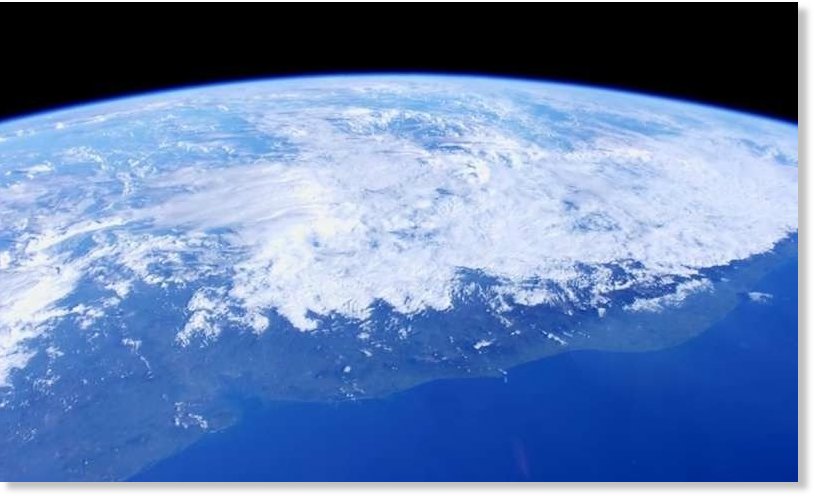
© NASAA predictable pattern of winds in the stratosphere recently changed in a way scientists had not seen in more than 60 years of record-keeping.
This disruption to the wind pattern - called the "quasi-biennial oscillation" - did not have any immediate impact on weather or climate as we experience it on Earth's surface. But it does raise interesting questions for the NASA scientists who observed it: If a pattern holds for six decades and then suddenly changes, what caused that to happen? Will it happen again? What effects might it have?

"The quasi-biennial oscillation is the stratosphere's Old Faithful," said Paul Newman, Chief Scientist for Earth Sciences at NASA's Goddard Space Flight Center, Greenbelt, Maryland, and lead author on a new paper about the event published online in Geophysical Research Letters. "If Old Faithful stopped for a day, you'd begin to wonder about what was happening under the ground."

Winds in the tropical stratosphere, an atmospheric layer that extends from about 10 to 30 miles above Earth's surface, circulate the planet in alternating easterly and westerly directions over roughly a two-year period. Westerly winds develop at the top of the stratosphere, and gradually descend to the bottom, about 10 miles above the surface while at the same time being replaced by a layer of easterly winds above them. In turn, the easterlies descend and are replaced by westerlies.

Comment: "The long-term trend of rising global temperatures" is actually a trend in cooling. Maybe it would help Newman and others investigating if they took this into account:


Satellite

Found in space: Lost Philae comet lander finally turns up jammed in space rock crevice

Rosetta lander found
© ESA Rosetta Mission / Twitter
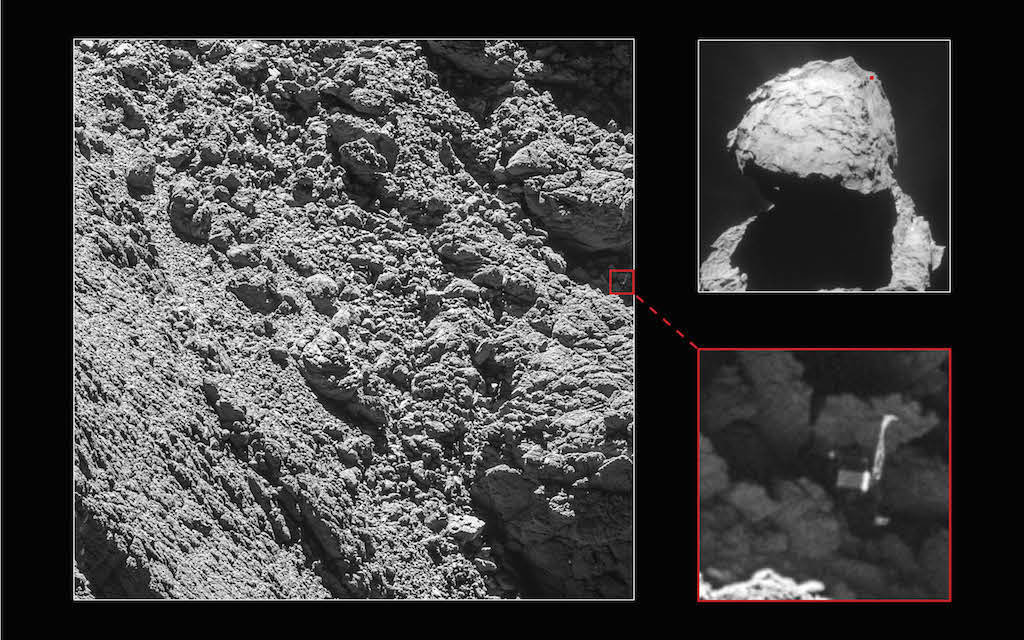
Missing comet lander Philae has finally been found after two years lost in space. The good news is that the mystery of the lander's location has been solved - but the bad news is that it's trapped in a dark, rocky crevice on a comet.

The revelation by the European Space Agency has sparked excitement in the world of astronomy and beyond as many continued to root for the little robot to be located after it crash-landed in November 2014.

The ESA's Rosetta spacecraft captured images of the lander stuck in a dark crack on surface of comet 67P/Churyumov-Gerasimenko on Friday, less than a month before the mission is due to end.

Comet 2

Giant comets pose a much greater hazard to life than asteroids

Giant Comet
© The Daily Galaxy
A decade ago, Stephen Hawking warned that one of the major factors in the possible scarcity of intelligent life in our galaxy is the high probability of an asteroid or comet colliding with inhabited planets. This past December, a team of astronomers from Armagh Observatory and the University of Buckingham reported that the discovery of hundreds of giant comets in the outer planetary system over the last two decades means that these objects pose a much greater hazard to life than asteroids.

Giant comets, termed centaurs, move on unstable orbits crossing the paths of the massive outer planets Jupiter, Saturn, Uranus and Neptune. The planetary gravitational fields can occasionally deflect these objects in towards the Earth. Centaurs are typically 50 to 100 kilometer across, or larger, and a single such body contains more mass than the entire population of Earth-crossing asteroids found to date.

Because they are so distant from the Earth, Centaurs appear as pinpricks of light in even the largest telescopes. Saturn's 200-km moon Phoebe, depicted in this image, seems likely to be a Centaur that was captured by that planet's gravity at some time in the past. Until spacecraft are sent to visit other Centaurs, our best idea of what they look like comes from images like this one, obtained by the Cassini space probe orbiting Saturn. NASA's New Horizons spacecraft, having flown past Pluto six months ago, has been targeted to conduct an approach to a 45-km wide trans-Neptunian object at the end of 2018.

Calculations of the rate at which centaurs enter the inner solar system indicate that one will be deflected onto a path crossing the Earth's orbit about once every 40,000 to 100,000 years. Whilst in near-Earth space they are expected to disintegrate into dust and larger fragments, flooding the inner solar system with cometary debris and making impacts on our planet inevitable.

Known severe upsets of the terrestrial environment and interruptions in the progress of ancient civilisations, together with our growing knowledge of interplanetary matter in near-Earth space, indicate the arrival of a centaur around 30,000 years ago. This giant comet would have strewn the inner planetary system with debris ranging in size from dust all the way up to lumps several kilometres across.

Specific episodes of environmental upheaval around 10,800 BCE and 2,300 BCE, identified by geologists and palaeontologists, are also consistent with this new understanding of cometary populations. Some of the greatest mass extinctions in the distant past, for example the death of the dinosaurs 65 million years ago, may similarly be associated with this giant comet hypothesis.

People 2

Stanford researchers create body cooling synthetic fabric made of plastic

cooling fabric
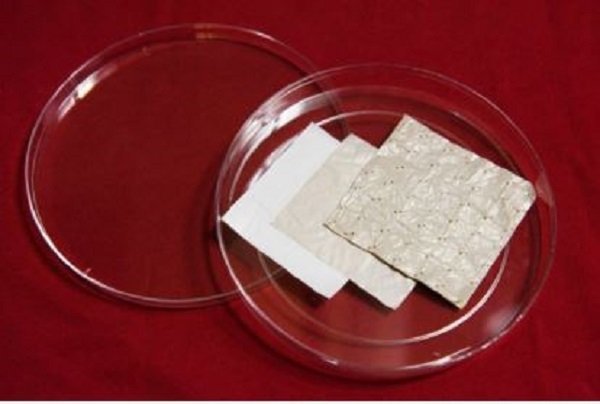
© L.A. CiceroStanford researchers began with a sheet of polyethylene and modified it with a series of chemical treatments, resulting in a cooling fabric.
Stanford engineers have developed a low-cost, plastic-based textile that, if woven into clothing, could cool your body far more efficiently than is possible with the natural or synthetic fabrics in clothes we wear today.

Describing their work in Science, the researchers suggest that this new family of fabrics could become the basis for garments that keep people cool in hot climates without air conditioning.

"If you can cool the person rather than the building where they work or live, that will save energy," said Yi Cui, an associate professor of materials science and engineering and of photon science at Stanford.

This new material works by allowing the body to discharge heat in two ways that would make the wearer feel nearly 4 degrees Fahrenheit cooler than if they wore cotton clothing.

Fire

Not so smart technology: Safety inspector blows the whistle on fire hazards of 'smart' electronics

fires smart technology
All electronics – WiFi/Bluetooth gadgets, cheap phone chargers, iPads, and wide screen TVs pose fire risks
If you think your "smart" appliances are the "cat's whiskers," then please think again! Actually, in my opinion, they are the dumbest things ever invented that have been able to buffalo consumers into spending their hard-earned money to purchase, but have the greatest potential for causing consumers harm and grief.

Recently, I received an email from one of my readers who had to attend a fire safety training session for 'their' job. That instructional course was given by none other than a Delaware County, Pennsylvania Fire Investigator, who was quite explicit in his presentation about certain fire causes.

Comment:


Laptop

Quantum computer created that can tap into parallel universes

d-wave computer
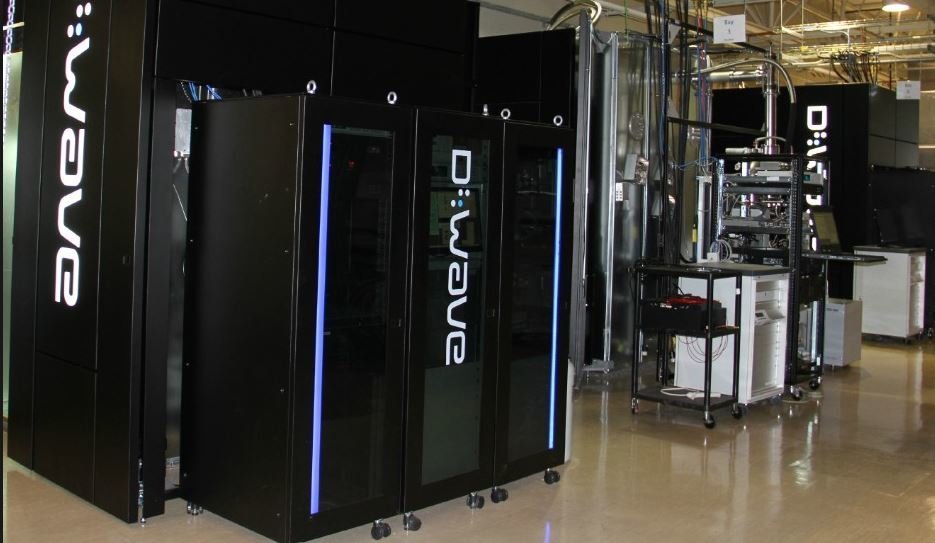
Meanwhile as everyone was busy arguing over the bread and circus elections, the CIA was busy funding a computer so powerful that it is described as "tapping into the fundamental fabric of reality" and the man who owns the company says being near one is like "standing at the altar of an alien God".

What exactly do you suppose they are doing with it?

You have to take a few minutes and watch this. It will change the way you look at "reality" forever.

Comment: See also:


Sun

NASA sees first 'global picture of solar wind evolution'

sun and rays
© NASA Goddard/YouTube
A recent breakthrough from NASA allows scientists to see the sun in a whole new way. The Solar Terrestrial Relations Observatory (STEREO) is helping to answer questions plaguing the scientific community.

When the sun's solar material begins leaving its atmosphere, also known as the corona, it's a steady and focused stream. But once it reaches the end of the sun's magnetic field, the material's flow becomes scattered and turbulent. The question of why and how this happens was finally answered by scientists at NASA's Goddard Space Flight Center.

The sun is made of plasma that is formed by a mix of oppositely-charged particles that separate at high temperatures. These particles separate and then travel away from the sun through its magnetic field. Once it leaves the magnetic field, it enters the area of solar winds. Solar winds are the constant flow of particles that fill our solar system and the space between planets. But the question that has beleaguered scientists is why the particles leaving the sun's magnetic field go very quickly from being focused to falling apart.

But the recent breakthrough has finally given scientists an idea of what happens between particles being a part of the sun and being solar wind. "Now we have a global picture of solar wind evolution," Nicholeen Viall, a solar scientist at NASA's Goddard Space Flight Center told Raw Story. "This is really going to change our understanding of how the space environment develops."


Solar Flares

NASA Solar Dynamics Observatory captures spectacular double eclipse

Solar eclipse
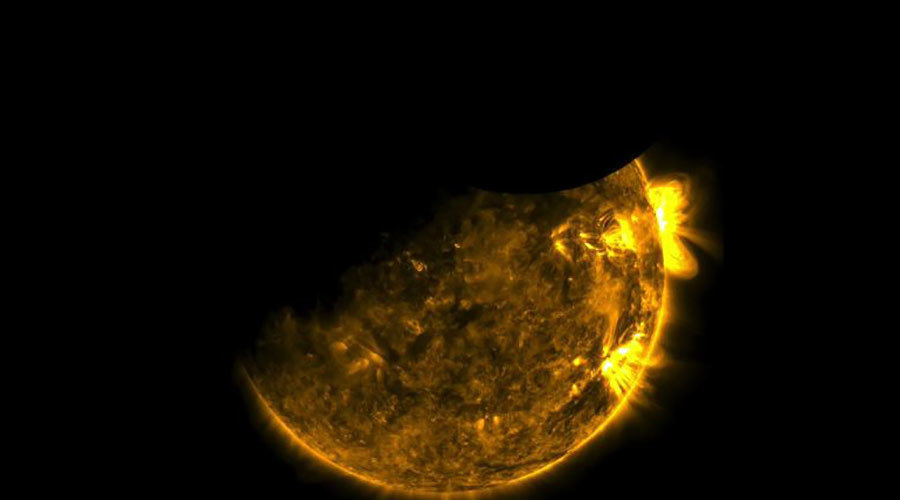
© NASAThe Earth's fuzzy edge and moon's crisp silhouette revealed the sun during this week's eclipse.
A rare double eclipse was captured by NASA this week when both the Earth and the moon blocked the sun from the view of their Solar Dynamics Observatory (SDO).

Not to be outdone by the spectacular "Ring of Fire" eclipse witnessed earlier in the week across eastern and southern Africa, the SDO captured the brief moment when the Earth revealed the sun to the orbiting satellite just as the moon also blocked its view.

Earth comes between the SDO and the sun briefly on a daily basis as a consequence of following the planet's rotation. On Thursday, both the Earth and the moon's eclipse coincided for a brief, but beautiful moment.