
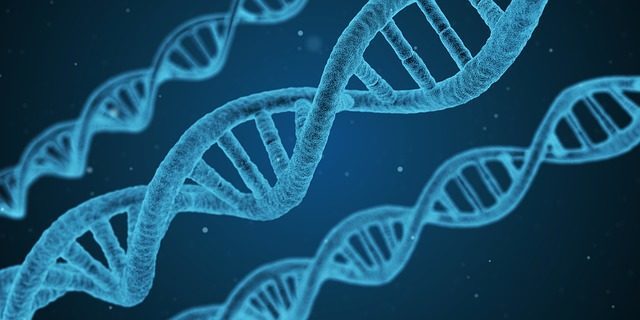
The mythologising of DNA
Highly respected scientists make very strong claims for the powers of DNA. In his autobiography, Nobel Laureate Kary Mullis called it "The King of molecules" and "The big one". Maybe he read DNA: The Secret of Life, a popular science book that calls DNA the molecule that "holds the key to the very nature of living things". Its author should know. He is Nobel Laureate, James Watson, co-discoverer of the structure of DNA. Even institutions have strong opinions when it comes to DNA; the website of the US National Institutes of Health claims "Genes are at the center of everything that makes us human".
My edition of The Secret of Life features on its back cover Eric Lander. Lander is the celebrated brains behind modern human genetics. He is also the head of the Broad Institute at MIT. In his blurb, Lander endorses "The secret of life" trope. Just below him on the jacket is Professor of genetics Mary-Claire King. She writes: "This is the story of DNA and therefore the story of life, history, sex, money, drugs, and still-to-be-revealed secrets." According to Prof. King, DNA is life.
The Watson view of genetics dominates education too. The standard US high school biology textbook "Life", of which we own the 1997 edition, frames the entirety of biology around DNA, thereby giving it the biochemical status of life's centrepiece.




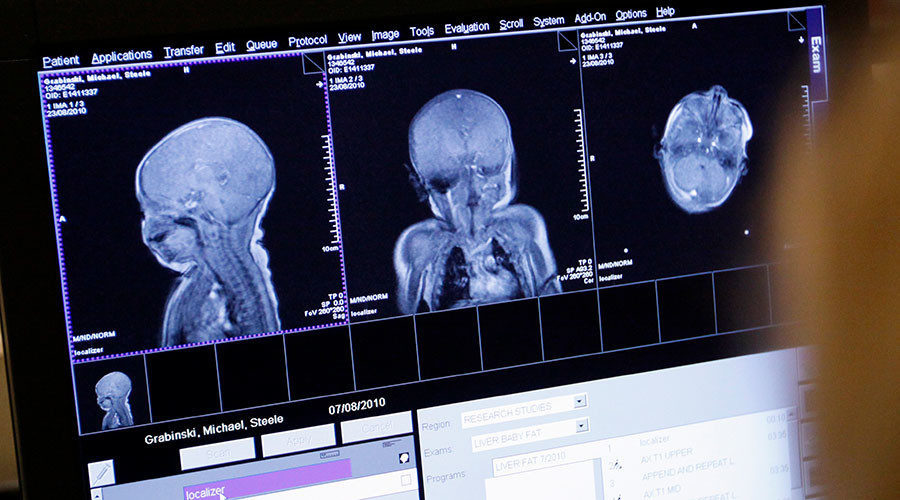









Comment: While early identification and treatment will no doubt be beneficial, the bigger question scientists continue to dance around are the reasons for the explosion of autism: