
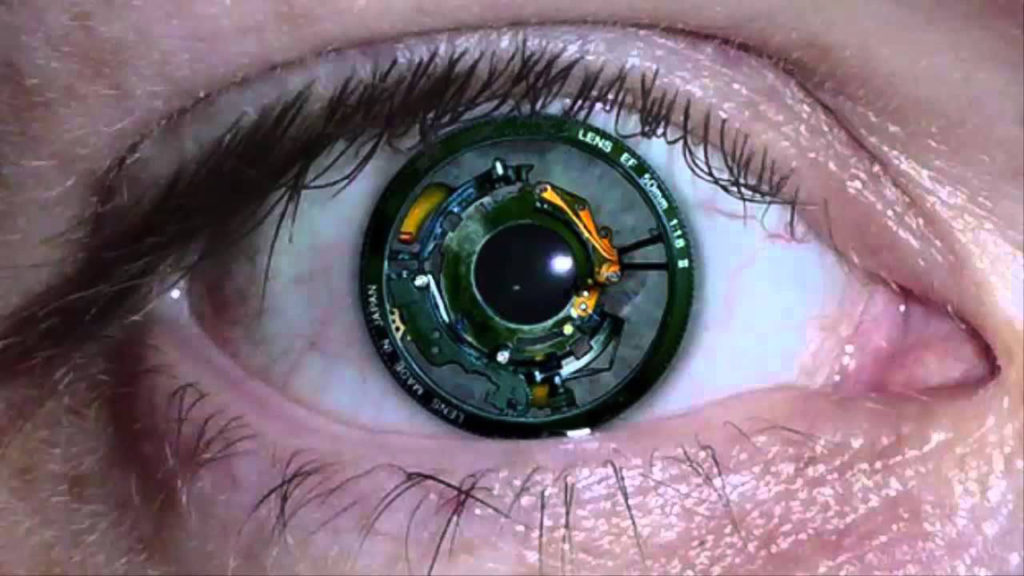
The tech giant Sony has ramped up their technology from something that we've only seen in James Bond movies, to now being our reality. The company has filed for a patent that reveals how their smart contact lenses will take pictures and record videos just with a simple blink, storing them in a small memory space on the lens - or on the user's eyeballs.
Not only is Sony striving for this, but other tech giants such as Samsung and Google have made plans for their smart contact lenses, going public with their ideas of taking pictures, making videos and monitoring sugar intake; gamers will also experience enhanced gaming, and other possibilities are endless.
However, Sony's patent doesn't mean we'll be seeing them anytime soon. Nevertheless, Sony's release of the lens will contain a picture-taking unit, a central controlling unit, the main unit along with an antenna, a storage area and a piezoelectric sensor.


















Comment: Further reading: