

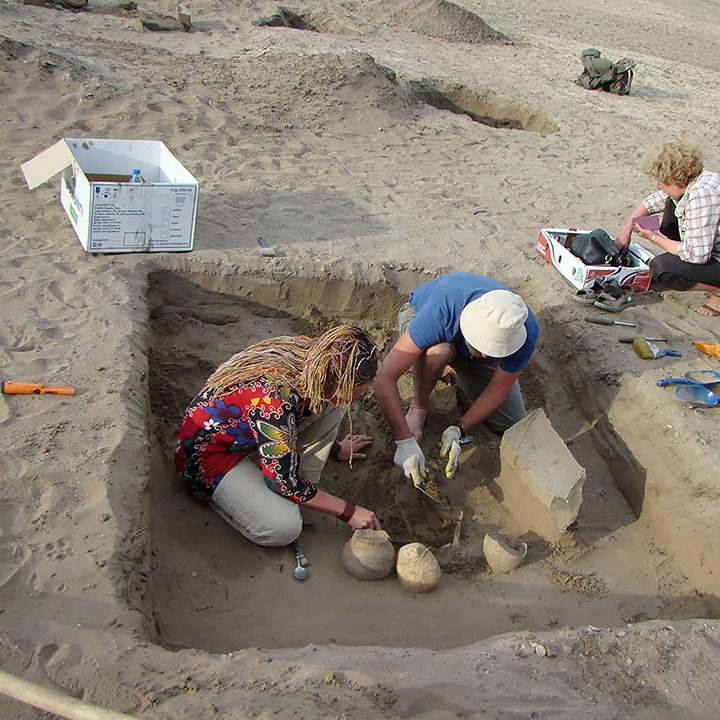
© HMC RAS/Pavel Leus'This site is a scientific sensation', said Dr Marina Kilunovskaya from the St Petersburg Institute of Material History Culture, who leads the Tuva Archeological Expedition.
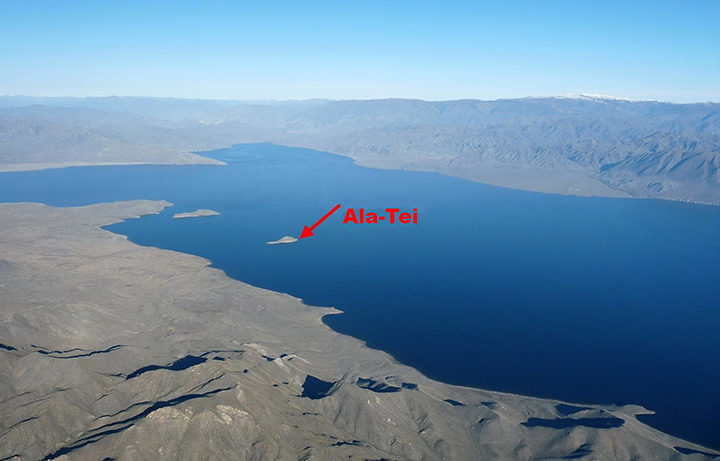
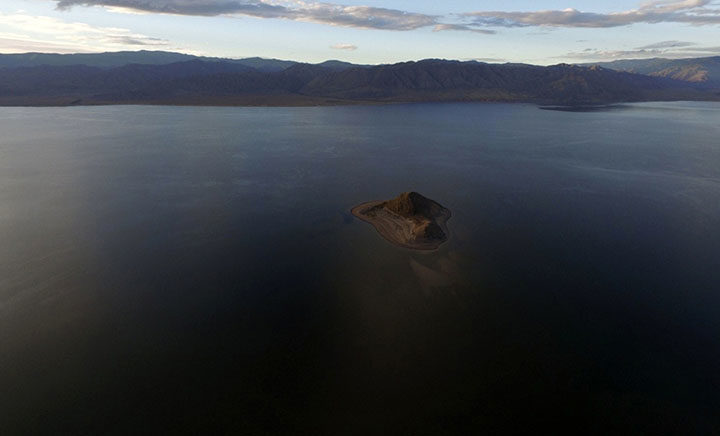
The black rectangular object was located in a burial site known as 'The Russian Atlantis' in mountainous Republic of Tuva, for it only appears from under water for few weeks a year.
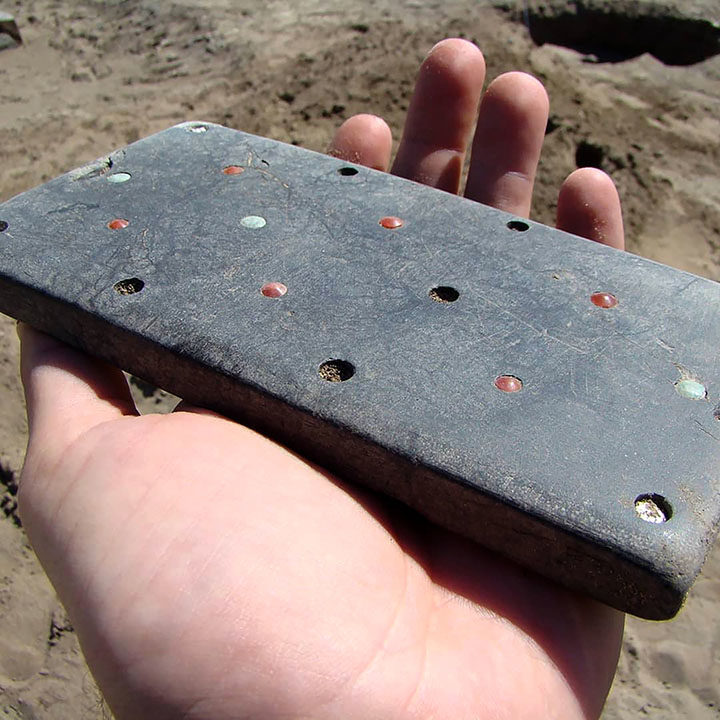
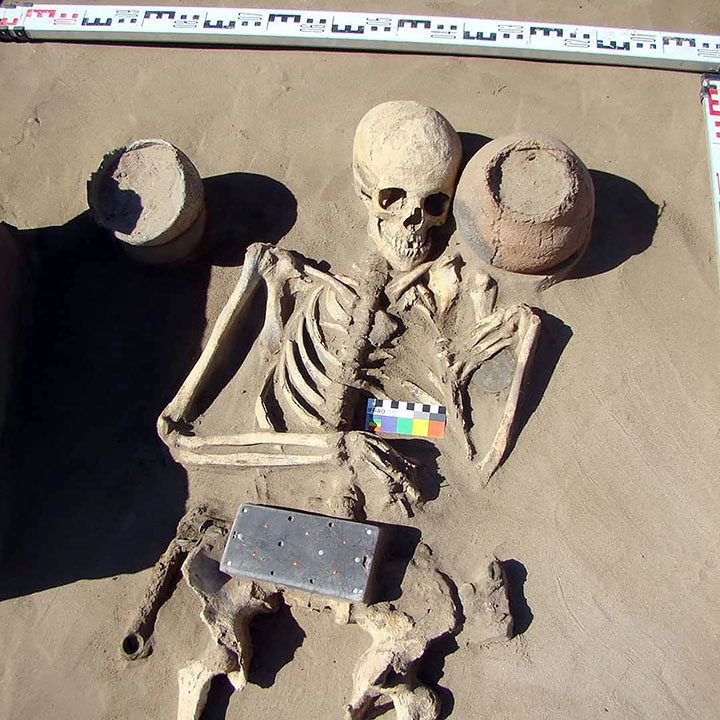
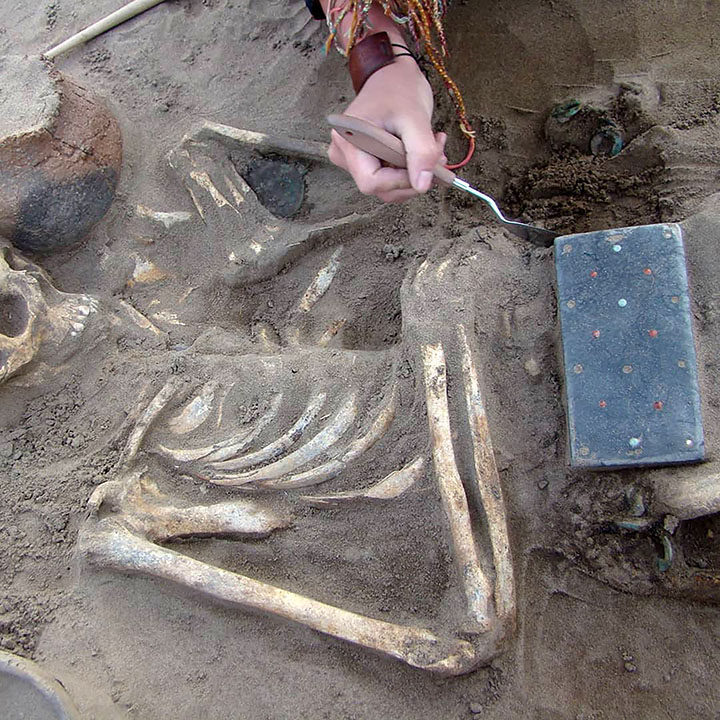
Archeologists jokingly nicknamed the ancient female Natasha, while her accessory was called 'an iPhone'.
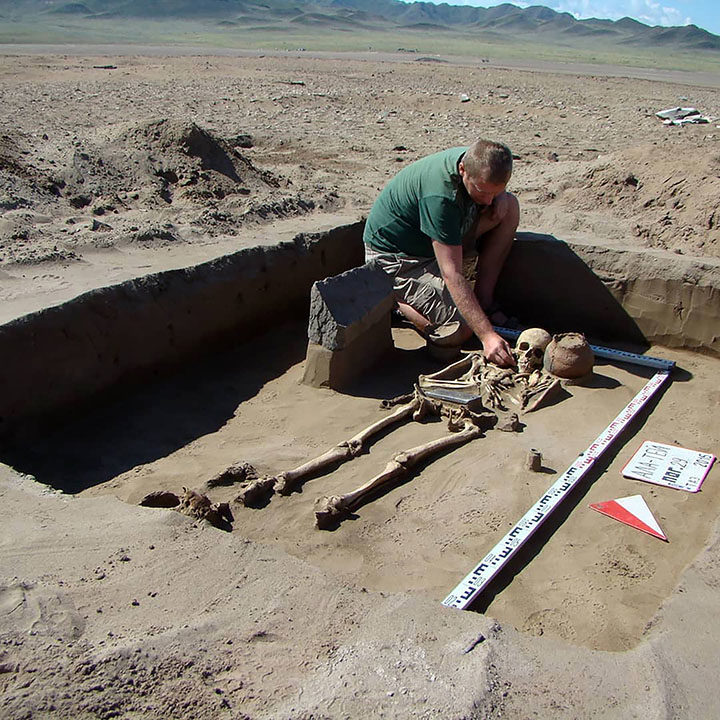
''Natasha's' burial with a Xiongnu-era iPhone remains one of the most interesting at this burial site,' Pavel Leus said in a new publication summarising results of several years of recent archeological expeditions to the Ala-Tey burial site.
© HMC RAS/Pavel Leus
The woman's belt was decorated with Chinese wuzhu coins which helped the scientists to date it.
They believe it might be up to 2,137 years old because this is when such coins were first minted.
© HMC RAS/Pavel Leus
This is a giant manmade reservoir on the Yenisei River upstream of the Sayano-Shushenskaya Dam, Russia's biggest power plant.
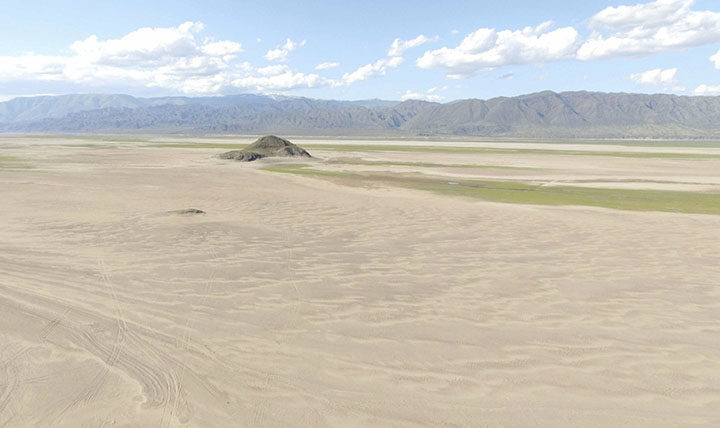
The water drains in May and June each year exposing the vast desert-like floor.
Graves have been found here dating from the Bronze Age to the time of Genghis Khan.
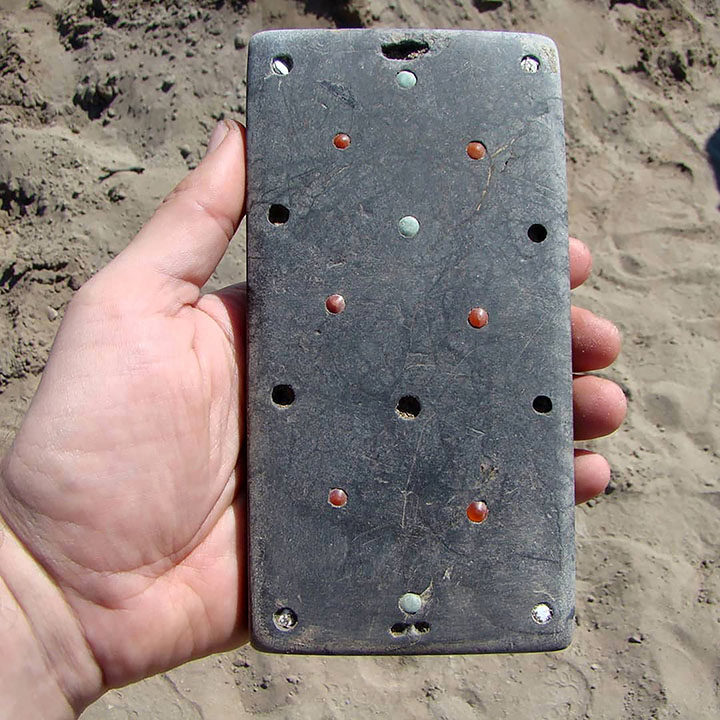
© HMC RAS/Pavel LeusBurial AT 1/29 and a stunning find which archeologists jokingly named 'Natasha's iPhone'
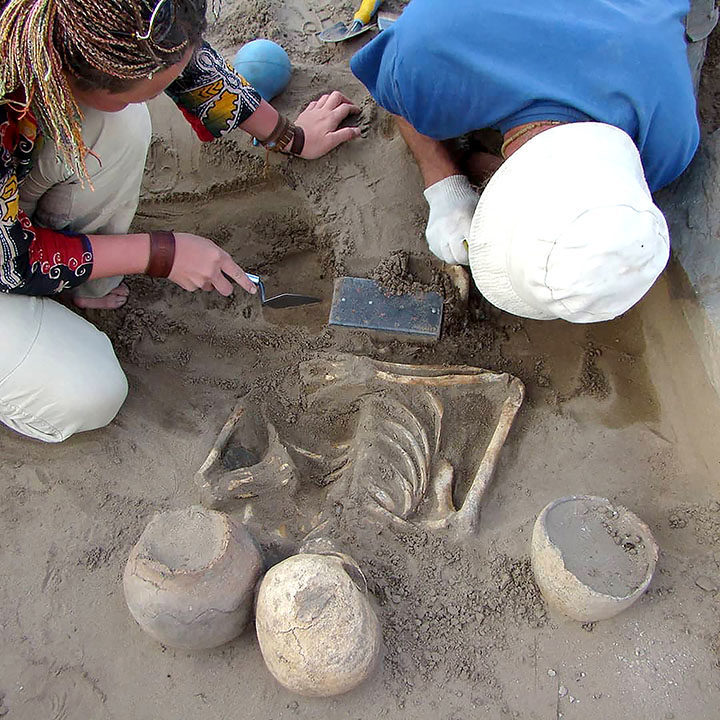
One called 'Sleeping Beauty' - dressed in silk for the afterlife - was at first believed to be a priestess. Now she is thought to have been a leather designer.
The second was a weaver laid to rest with her wooden spindle packed inside a sewing bag.
© HMC RAS/Pavel Leus
'This site is a scientific sensation', said Dr Marina Kilunovskaya from the St Petersburg Institute of Material History Culture, who leads the Tuva Archeological Expedition.
'We are incredibly lucky to have found these burials of rich Hun nomads that were not disturbed by (ancient) grave robbers.'
Pavel Leus is from the Society for the Exploration of EurAsia.
Tuva archeological rescue expedition in flooded areas is possible thank to a grant from the Russian Geographical Society, and help from Society for the Exploration of EurAsia (Switzerland).
© HMC RAS/Pavel Leus
© HMC RAS/Pavel Leus
© HMC RAS/Pavel Leus
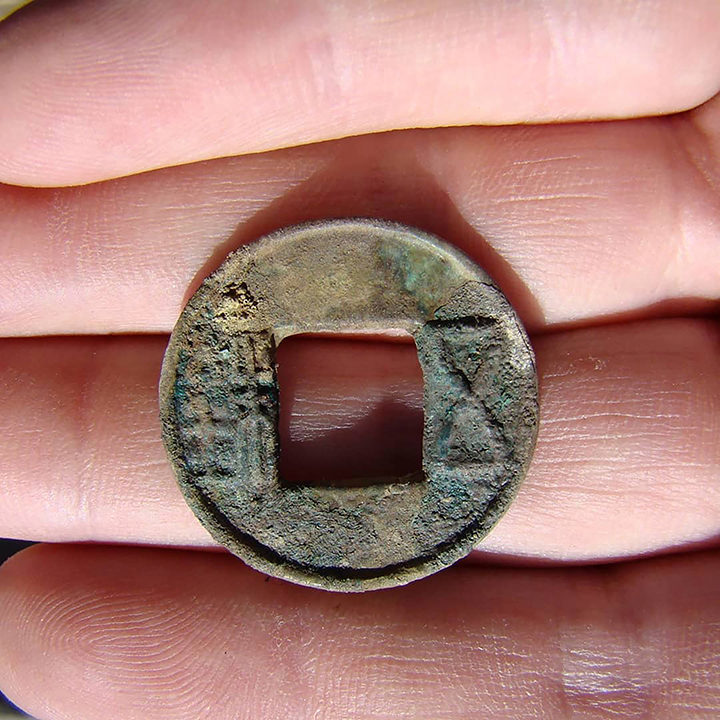
© HMC RAS/Pavel LeusOne of the Chinese coins archeologists discovered at this 2,100 year old site in 'Atlantis grave' in Tuva.
© HMC RAS/Pavel Leus
© HMC RAS/Pavel Leus
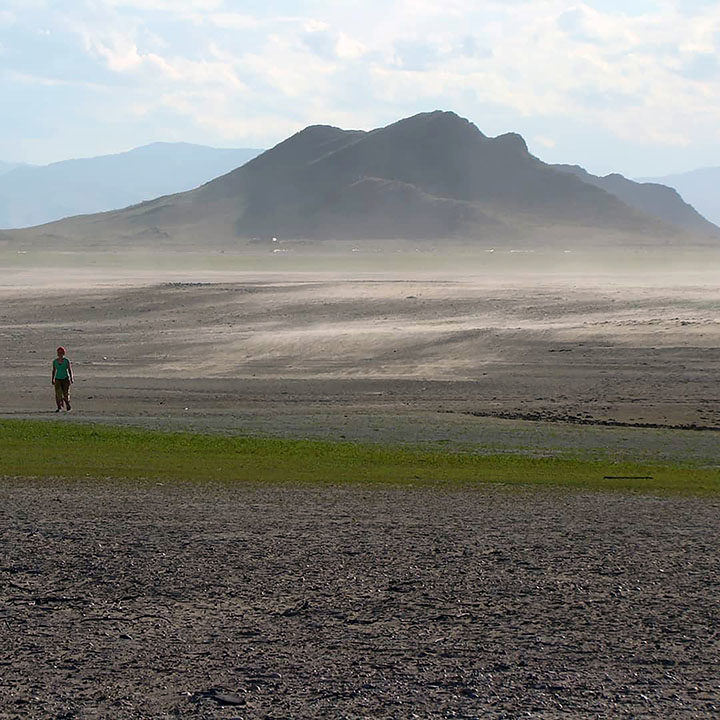
© HMC RAS/Pavel LeusAla-Tey site before and after it goes under water for most of the year
© HMC RAS/Pavel Leus
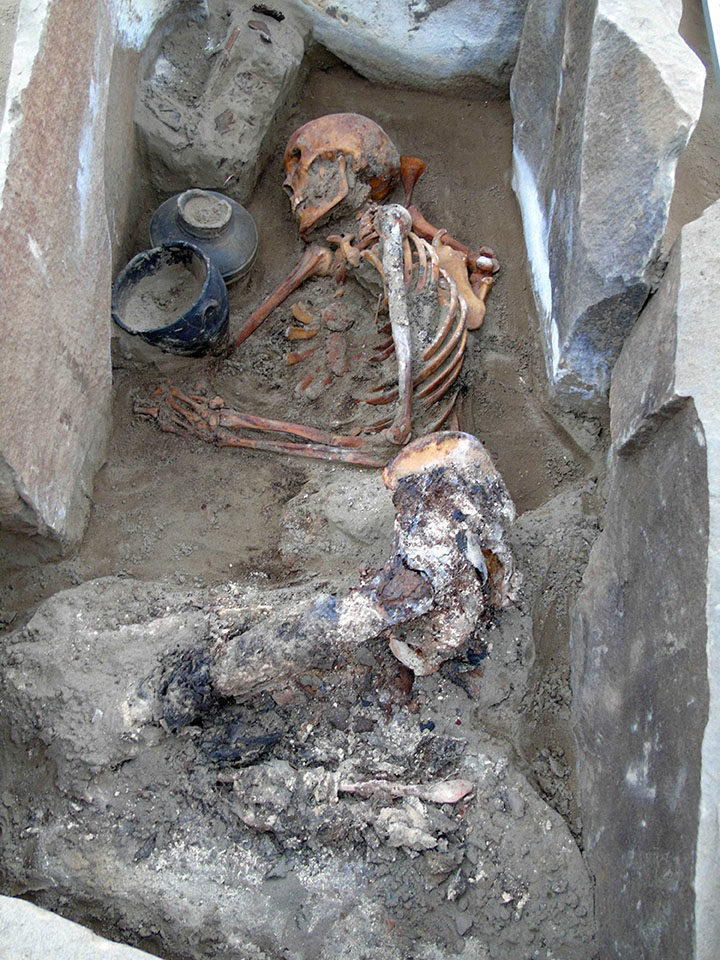
© HMC RAS/Pavel LeusEarlier the so-called 'Sleeping beauty' in silk clothes was found at the site.







Comment: That is one impressive piece of craftsmanship. Jet (lignite) is soft enough to be cut and polished to either a matt or luster finish, but that thing still looks like it was machined!