Storms
S


Cloud Lightning

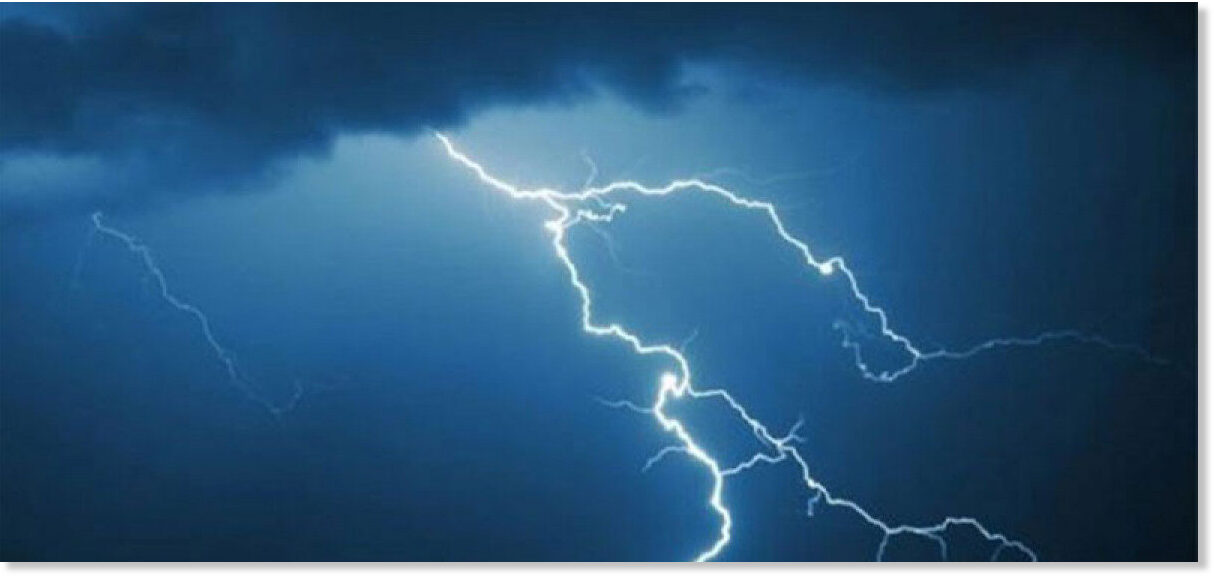
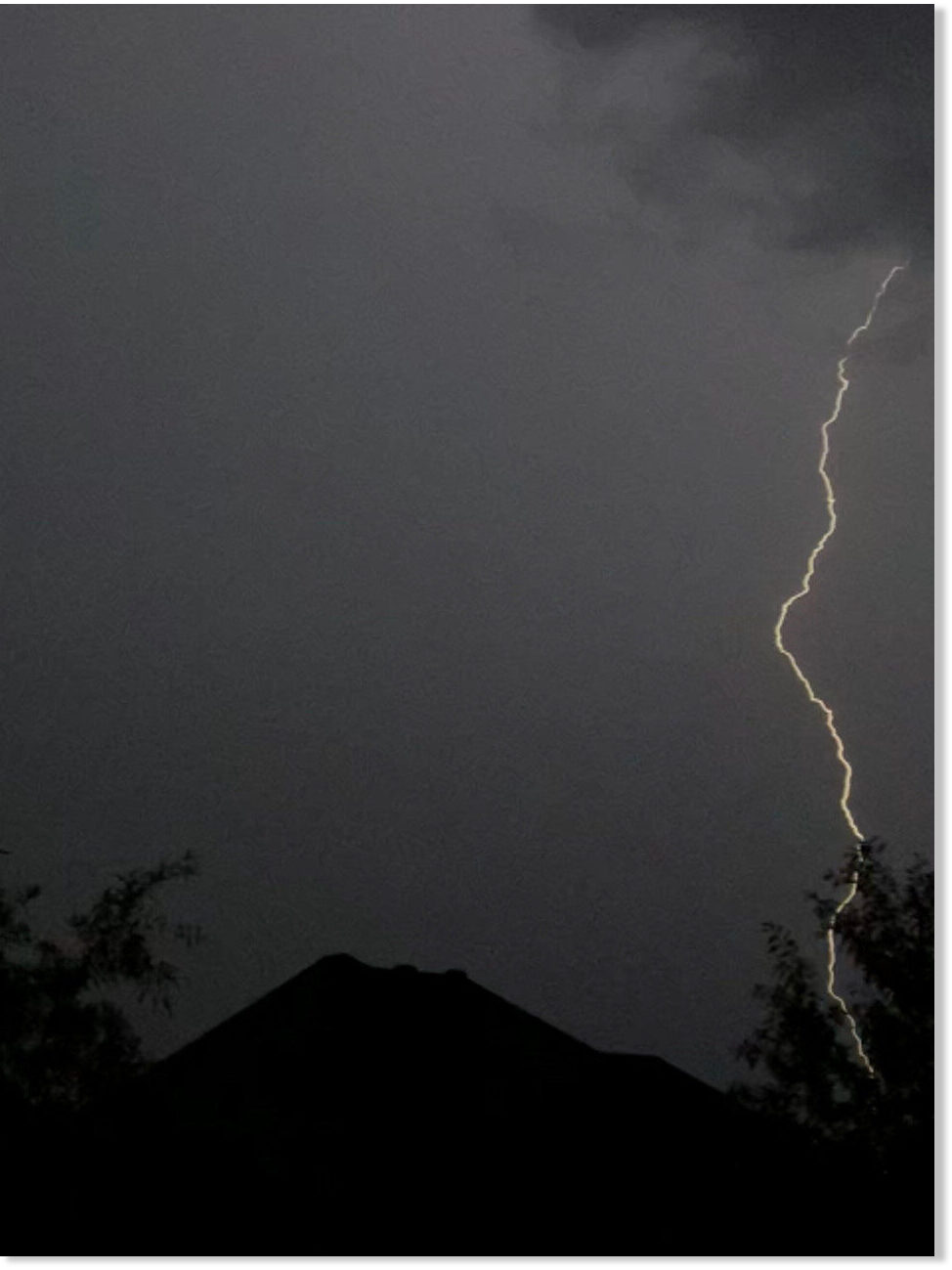
2,170 lightning strikes within 3 hours near West Little Rock, Arkansas - thousands without power

lightning
Meteorologist Todd Yakoubian reports that 2066 lightning strikes happened within 25 miles of West Little Rock Thursday evening.


Cloud Lightning

Lightning strikes kill 4, injures 10 others in Bara, Nepal

lightning
As many as four persons have lost their lives while 10 others have been injured due to a lightning strike early Thursday morning, in Bara district. All of the deceased are women.

Two of the four — Aasha Devi Mahato (35) and Halika Khatun (45) — were residents of Sitalpur, Kalaiya Sub Metropolitan City-12. They were working at the field. While two others — Indu Devi Mahato (30) and Sunarpati Dev Mahato (40) — were from Tribeni, Pheta Rural Municipality-1.

Indu and Sunarpati were at their homes while the lightning struck and they were killed on the spot, informed Chief District Officer Rudra Prasad Pandit.

Cloud Lightning

Lightning strikes kill at least 8 in Rangpur region of Bangladesh

lightning
At least eight people were killed and nine others injured in separate incidents of lightning strikes in three districts of Rangpur region on Thursday.

Of them, four were killed in Lalmonirhat, three in Rangpur and the other was killed in Kurigram district.

The deceased in Lalmonirhat were identified as Montu Mia, 32, son of Ramzan Ali of Bejgram area of Hatibandha upazila, Ati Mia, 39, son of Abdul Hamid and Jahedul Islam, 28, son of Khandaker Ali of Islampur village under Patbarbati upazila and Hasan, son of Zahir Uddin of the same village.

Police and locals said some youths went for fishing in Kalibari beel of Tongbhanga union of Hatibandha upazila when Montu Mia and Ati were injured in a lightning strike.

Tornado2

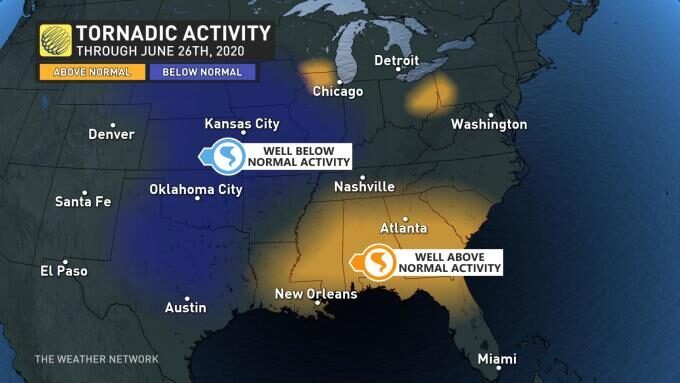
US tornado alley goes quiet, Canada's season had roaring start

Tornado activity US
© The Weather Network
A single U.S. outbreak in April produced more tornadoes than May and June combined.

Tornado sirens are a fact of life for people in the United States' traditional 'tornado alley' in the country's midsection.

But it looks like the region had something of a reprieve this season, boasting May and June tornado numbers lower than they've been for half a century or more, with the U.S. National Weather Service (NWS) going so far as to call it a tornado drought.

May's preliminary tornado count of 59, for example, is the lowest in 50 years, while June mustered no more than 50 twisters, the fewest since 1952. The drought is enough to bring 2020 in below average so far, though some parts of the country have had higher than normal tornado activity.

The 2020 season didn't start out this slow. May and June's combined count is less than a single outbreak over the Easter weekend in April that produced 114 confirmed tornadoes and killed more than 30 people. That month as a whole produced 351 tornadoes, the second most of any April on record.

The count of tornadoes at EF2 level or higher is also down, with the U.S. only seeing a single twister at that strength for the entire month of June.

Cloud Lightning

Lightning strikes kill 31 in a day across Bihar and Uttar Pradesh, India

lightning
In view of the IMD alert, Mumbai Police have advised citizens not to venture out of homes

At least 31 people died in lightning strikes in Bihar and Uttar Pradesh on Thursday, while the flood in Assam claimed one more life and inundated crop fields, even as Mumbai braced for extremely heavy rainfall.

However, the national capital sweltered under a stifling heat with no rains. The India Meteorological Department (IMD) has predicted dry weather in the city for the next two days and rains on the weekend.

Most places in the city recorded the maximum temperatures between 39 degrees and 42 degrees Celsius.

In Bihar, 26 people were killed on Thursday after being struck by lightning, officials said. More than 100 have died in lightning strikes in the state in the last one week, they added.

Comment: Continuing the trend for the last 8 days:


Cloud Lightning

Deadly cyclone hits southern states of Brazil - at least 9 killed

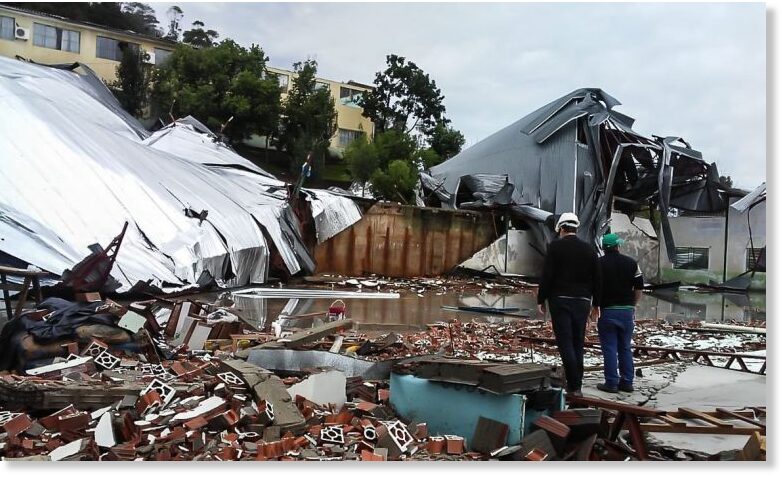
Cyclone damage in Santa Catarina state, Brazil, 30 June 2020.
© Defesa Civil Santa CatarinaCyclone damage in Santa Catarina state, Brazil, 30 June 2020.
At least nine people died after a cyclone swept through parts of southern Brazil on 30 June. Winds of over 120 km/h were reported in the state of Santa Catarina. The states of Rio Grande do Sul and Paraná were also badly affected.

The wild weather has also brought the threat of flooding. Storm surge has prompted warnings for coastal flooding in Santa Catarina. In Rio Grande do Sul, river levels are above flood stage in some areas of after the storm brought rain of over 140mm in 24 hours.

Almost 50 cities or municipalities in Santa Catarina state were affected by the cyclone, where 9 fatalities were reported. State Civil Defence reported wind speeds of between 60 and 90 km/h in many parts of the state, with winds reaching 120km/h in Morro da Igreja.

Emergency services in Santa Catarina responded to hundreds of calls for assistance during the storm. Over 1 million people were left without electricity after winds downed power lines.


Snowflake

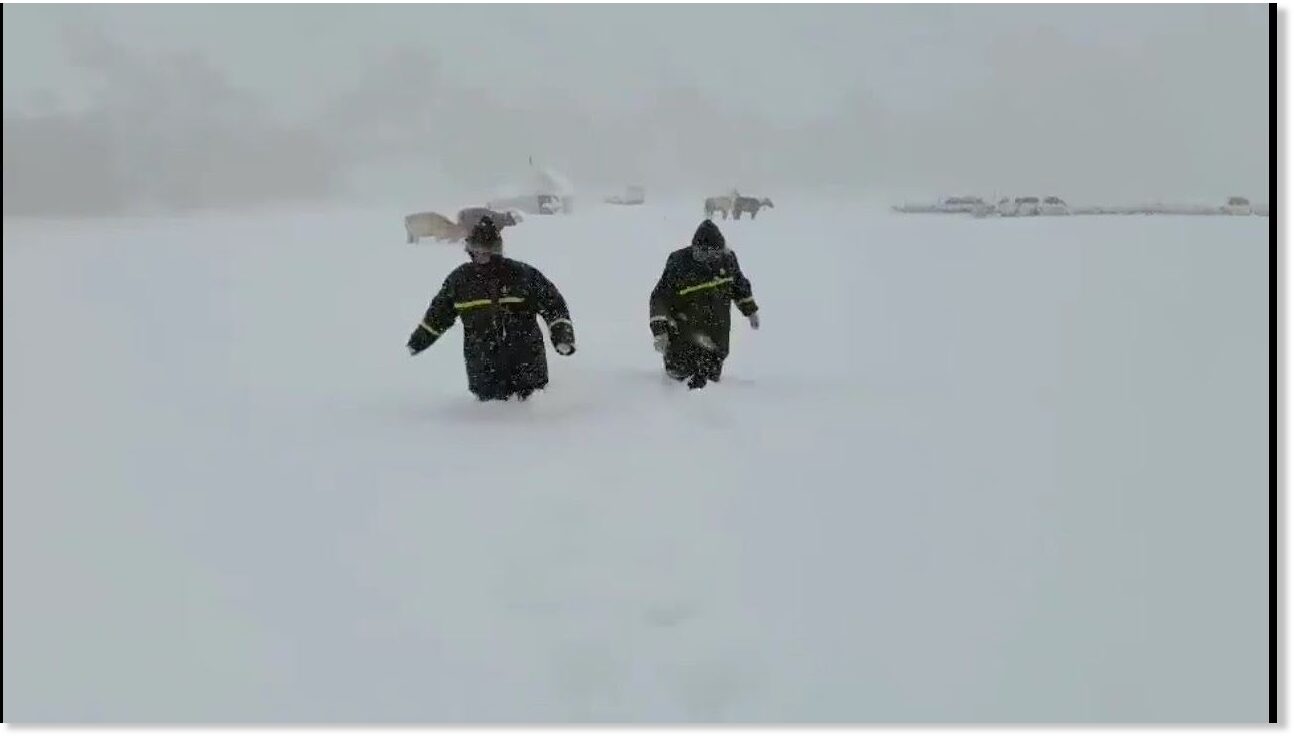
Summer blizzard hits Xinjiang, China leading to death of livestock, disturbing traffic

snow
Blizzard in China
Herdsmen in Tekes County, northwest China's Xinjiang Uygur Autonomous Region have endured heavy losses after Monday's blizzard froze to death over 400 livestock animals across the county.

The snow also disrupted traffic in Nilka County of Ili Kazak Autonomous Prefecture. Over 400 tourists in 130 vehicles were either stranded in the Tangbra Mountain or on the Dushanzi-Kuche Highway, which runs through the Tianshan Mountain from its south end to north end.


Windsock

Summer storm Päivö leaves nearly 60,000 homes without power in Finland

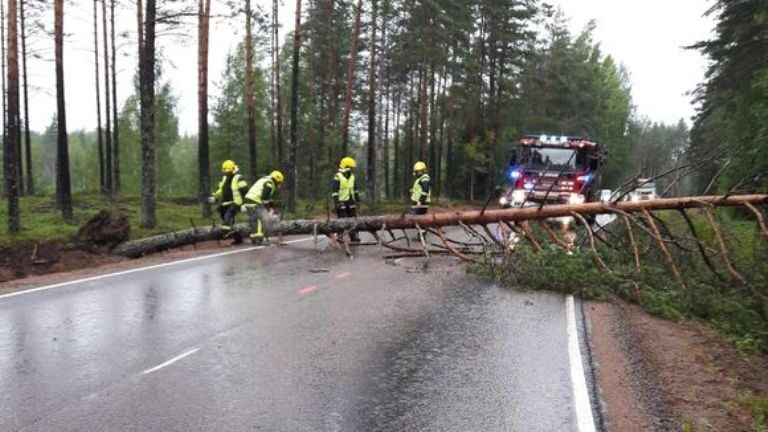
Rescue unit works to clear a fallen tree over a road in Miehikkälä, southeastern Finland
© Noora-Liia RautioRescue unit works to clear a fallen tree over a road in Miehikkälä, southeastern Finland.
Almost 60,000 households were left without electricity Wednesday morning after summer storm Päivö brought down power lines across various parts of Finland overnight.

The Finnish Meteorological Institute's (FMI) meteorologist Helena Laakso said that while the storm itself is over, some regions are still due for more rain or thunderstorms which could be severe in some areas.

FMI tweeted around midnight on Tuesday that Päivö's strong winds had shifted from Upper Savonia and Upper Karelia towards eastern Kainuu. The force of the gusts were described as dangerously strong and residents were encouraged to stay indoors until the storm passed.

It could take a few days to restore electricity to households in areas stretching from southern Savo to Kainuu, according to authorities.

The power cuts could also affect the functionality of mobile networks, including communications to emergency services, according to northern Karelia's rescue unit, which advised residents to head to local fire departments if emergency services calls cannot be made.

The summer storm tore across southern Finland, first eastward then took to the north on Tuesday.


Tornado2

Waterspout filmed off the coast of Finland

waterspout
A waterspout was spotted spinning off the coast of Enskär, Finland, on June 30, amid storms in the area, which caused widespread power outages.


Tornado1

Bomb cyclone lives up to its name, wreaks havoc on Brazilian city

bomb cyclone brazil july 2020
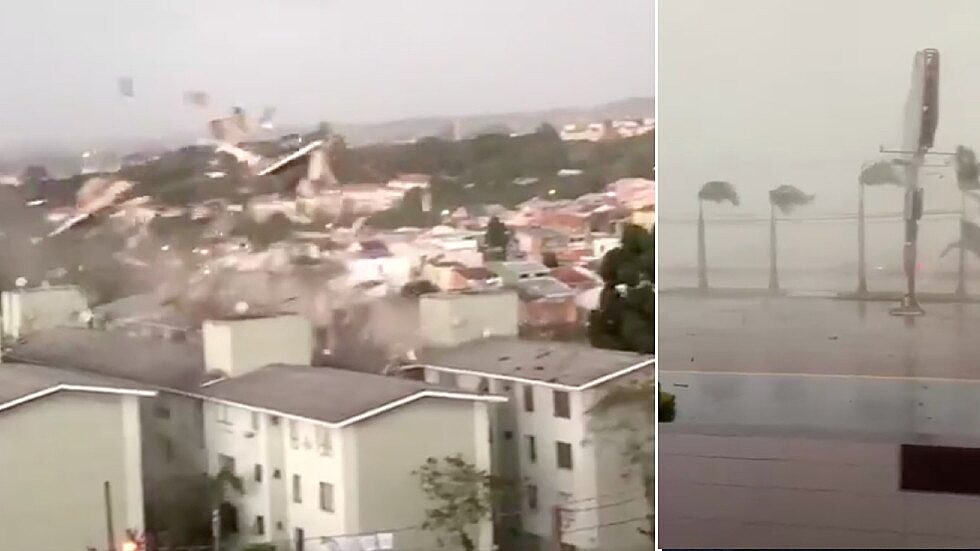
© Twitter/ @MarceloAveiro, Twitter @GeisieleScioA bomb cyclone tears off roofs in the Brazilian city of Curitiba
At least three people were killed as the southern Brazilian state of Parana was lashed by winds of up to 120kph from a 'bomb' cyclone which wreaked havoc across the area, bombarding the streets with high-speed debris.

The ferocious tempest ripped up trees, tore roofs off buildings and sent locals cowering indoors as shrapnel flew past their very eyes outside on Tuesday. Eyewitness video from Curitiba and elsewhere in Parana showcases the full fury of the bomb cyclone.

Comment: The term "bomb cyclone" can apply to both summer rain, and winter snow storms if they meet the following criteria from The National Ocean Service :
"Bombogenesis, a popular term used by meteorologists, occurs when a midlatitude cyclone rapidly intensifies, dropping at least 24 millibars over 24 hours. A millibar measures atmospheric pressure. This can happen when a cold air mass collides with a warm air mass, such as air over warm ocean waters. The formation of this rapidly strengthening weather system is a process called bombogenesis, which creates what is known as a bomb cyclone."
They develop and dissipate rapidly, and therefore are not often named as with tornadoes. An explanation from the UK's Met Office from 2019: