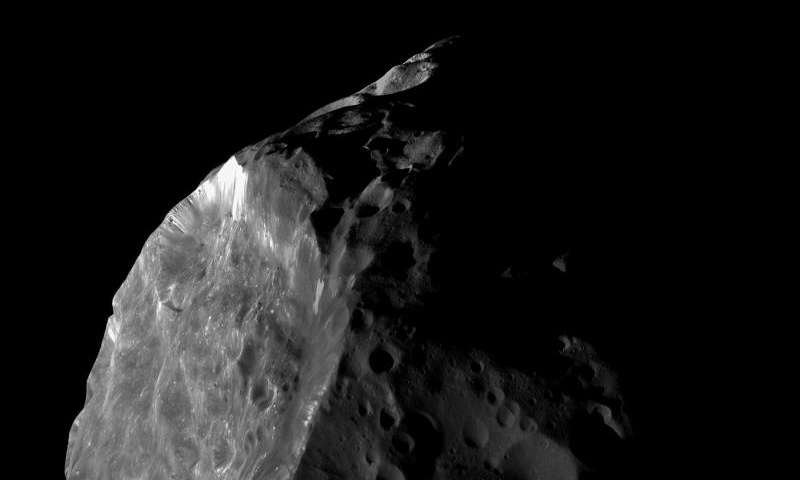
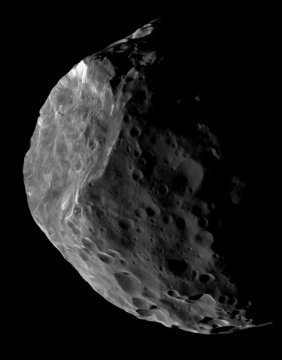
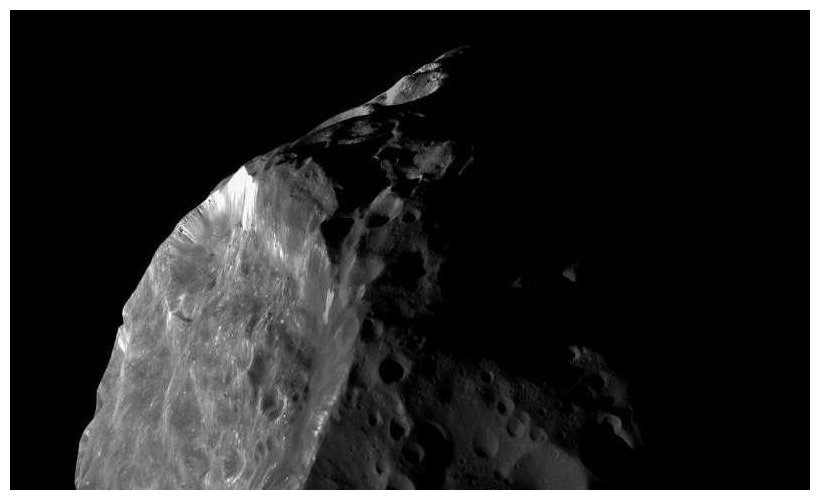
© NASA/JPL-Caltech/Space Science Institute Because they are so distant from the Earth, Centaurs appear as pinpricks of light in even the largest telescopes. Saturn's 200-km moon Phoebe, depicted in this image, seems likely to be a Centaur that was captured by that planet's gravity at some time in the past. Until spacecraft are sent to visit other Centaurs, our best idea of what they look like comes from images like this one, obtained by the Cassini space probe orbiting Saturn. NASA’s New Horizons spacecraft, having flown past Pluto six months ago, has been targeted to conduct an approach to a 45-km wide trans-Neptunian object at the end of 2018.
The team, made up of Professors Bill Napier and Duncan Steel of the University of Buckingham, Professor Mark Bailey of Armagh Observatory, and Dr David Asher, also at Armagh, publish their review of recent research in the December issue of
Astronomy and Geophysics, the journal of the Royal Astronomical Society.
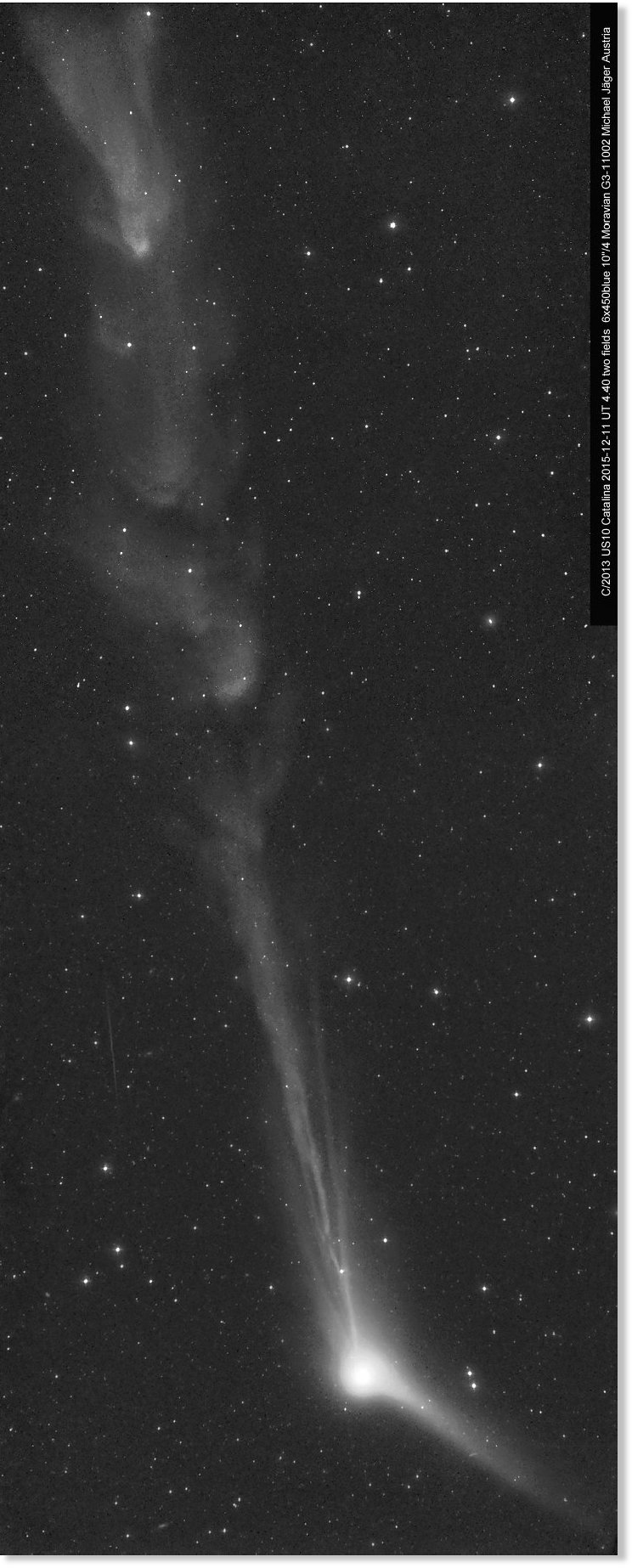
The giant comets, termed centaurs, move on unstable orbits crossing the paths of the massive outer planets Jupiter, Saturn, Uranus and Neptune. The planetary gravitational fields can occasionally deflect these objects in towards the Earth.
Centaurs are typically 50 to 100 kilometres across, or larger, and a single such body contains more mass than the entire population of Earth-crossing asteroids found to date. Calculations of the rate at which centaurs enter the inner solar system indicate that one will be deflected onto a path crossing the Earth's orbit about once every 40,000 to 100,000 years. Whilst in near-Earth space they are expected to disintegrate into dust and larger fragments, flooding the inner solar system with cometary debris and making impacts on our planet inevitable.
Known severe upsets of the terrestrial environment and interruptions in the progress of ancient civilisations, together with our growing knowledge of interplanetary matter in near-Earth space, indicate the arrival of a centaur around 30,000 years ago. This giant comet would have strewn the inner planetary system with debris ranging in size from dust all the way up to lumps several kilometres across.

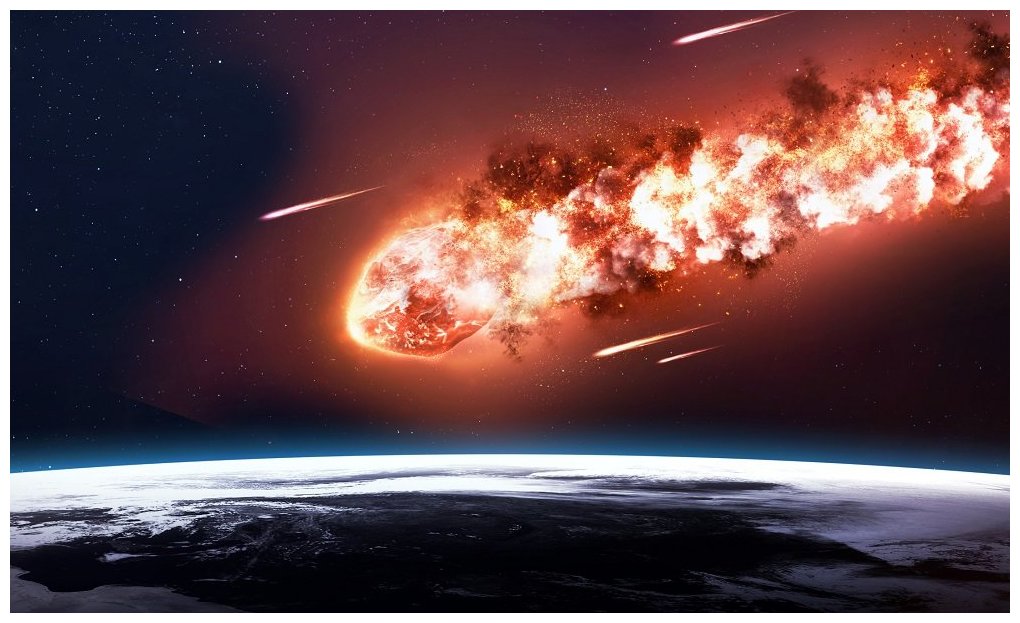

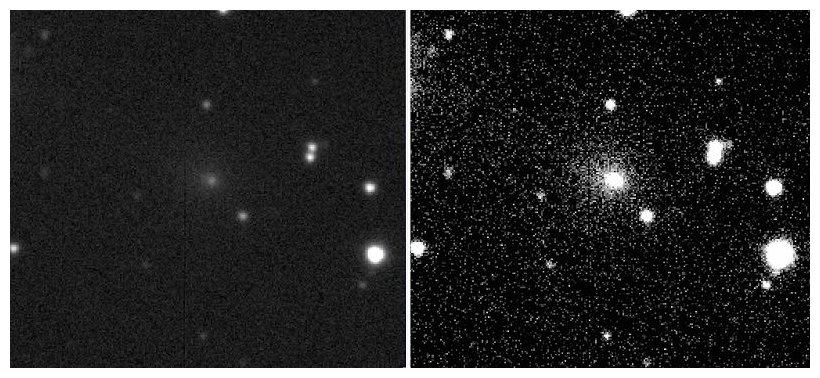

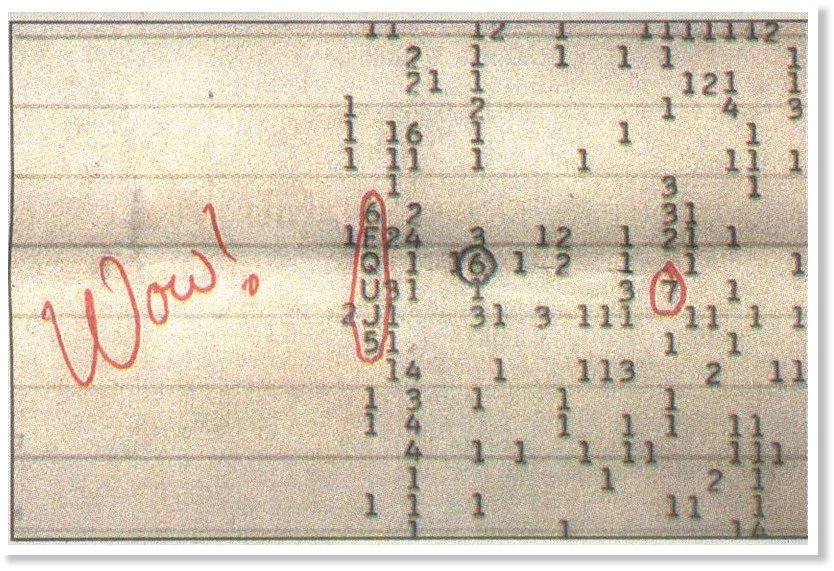

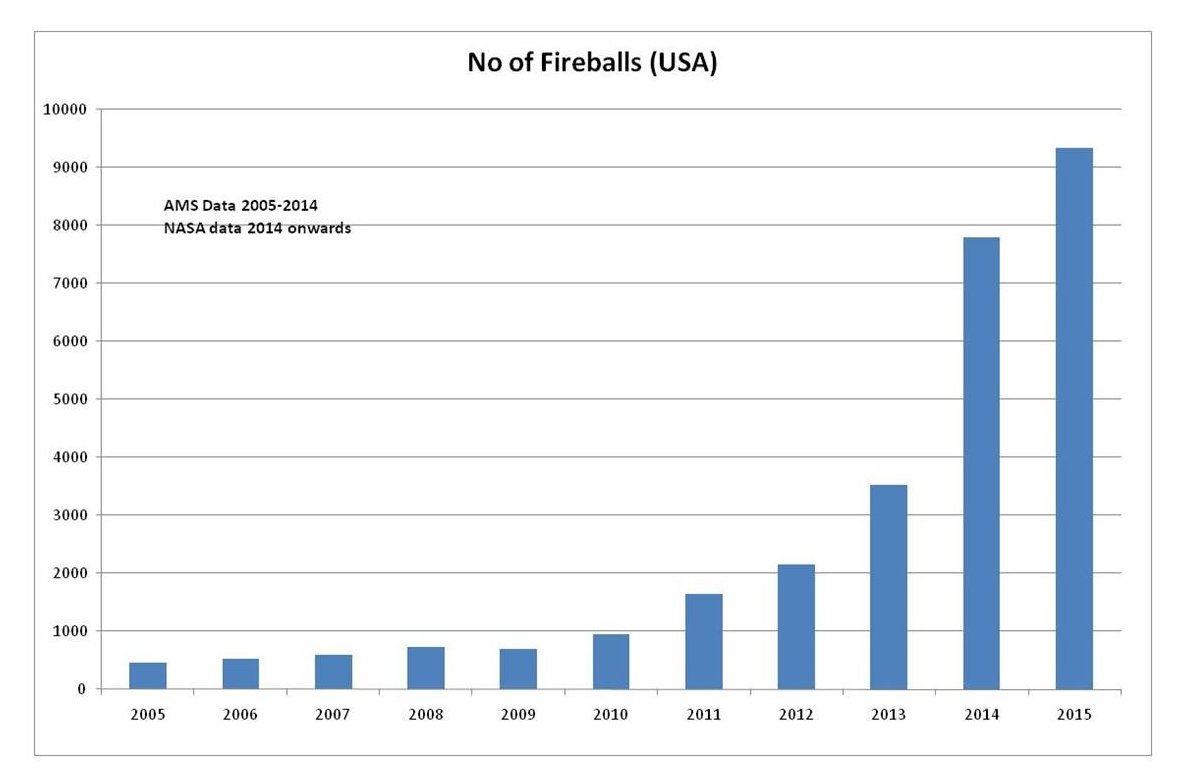



Comment: Readers interested in the changing near-space environment might enjoy our research into increased asteroid and fireball activity - including its causes, effects, and role in human history - in Earth Changes and the Human-Cosmic Connection.