© IEET.org
On this day 245 years ago - July 1, 1770 - humanity had its closest known encounter with extinction (with the possible exception of the Cuban Missile Crisis).
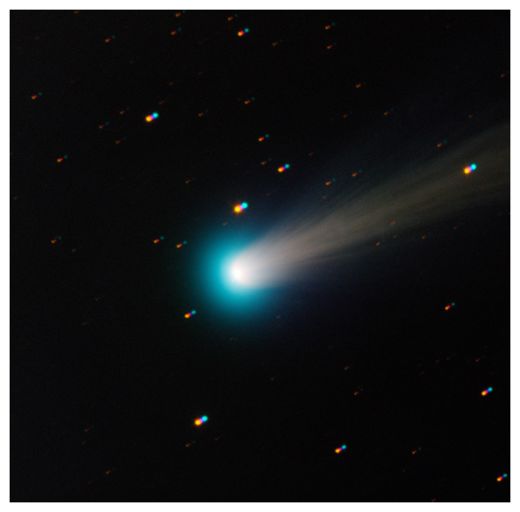
Two weeks before that date the French astronomer Charles Messier had discovered a faint comet in the constellation Sagittarius, which thereafter rapidly brightened and began moving swiftly across the sky. At its peak it was naked-eye, and its coma, according to various observers, the apparent size of from 5 to 16 full moons across. Lexell's Comet, so named after another astronomer who subsequently calculated its orbit, was then under one-and-a-half million miles from Earth, or less than six times the distance of the Moon, and thus the nearest a comet has ever approached us in recorded history. (Kronk n.d.)
It was also larger than any asteroid known to have come that close, and in fact large enough to have wrought global consequences had it impacted our planet. The comet's nucleus is estimated to have been 5 kilometers in diameter, or approximately half that of the comet or asteroid that wiped out the dinosaurs.
It is a curious fact of history that the celestial spectacle most superstitiously associated with presaging calamity has now been given scientific legitimacy as a major threat to human existence. (Bayle 2000 & Genuth 1997) It is an ironic fact of very recent times that the celestial spectacle most popularly associated in times past with presaging calamity and now known to have this potential in fact, is today looked upon mainly as a showpiece and photo op by much of the public and amateur astronomical community and as a scientific opportunity by the professional astronomical community. I refer in both instances to the appearance of a new comet.
These are thus the best of times and the worst of times for planetary defenders against potential impactors from outer space, since, on the one hand, for the first time since the Earth came into being, some of its inhabitants have an accurate awareness of the nature of this hazard and even the technological potential to do something about it, while, on the other hand, insufficient steps are being taken to protect us from it.
What is most needed, I submit therefore, is a raising of comet consciousness among both the general and expert populace, who are currently, to coin a term, cometose.And how better to do this than to institute a Comet Day? Global recognition has just been rallied for analogous awareness with the first annual
Asteroid Day. This took place yesterday, on the anniversary of the largest impact event in recorded history, which occurred on June 30, 1908, in (or over) Tunguska, Siberia. The resulting explosion of the object upon penetration of the atmosphere would have obliterated any major metropolitan area that happened to lie beneath it. Current estimates are of one million objects of this or greater size in the Earth's vicinity, only one percent of which have been discovered and are being tracked to date. The purpose of Asteroid Day is to build a global consensus for finding all the rest as soon as possible, to give us time to devise a suitable defense against any that might be heading our way.

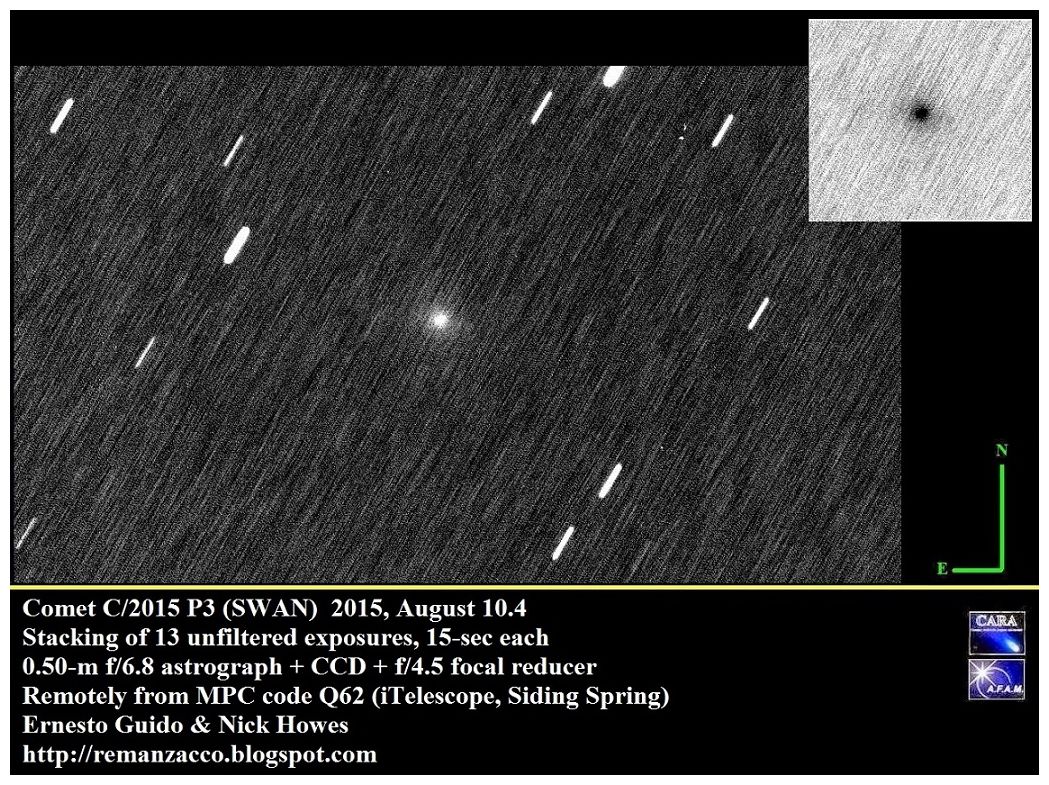

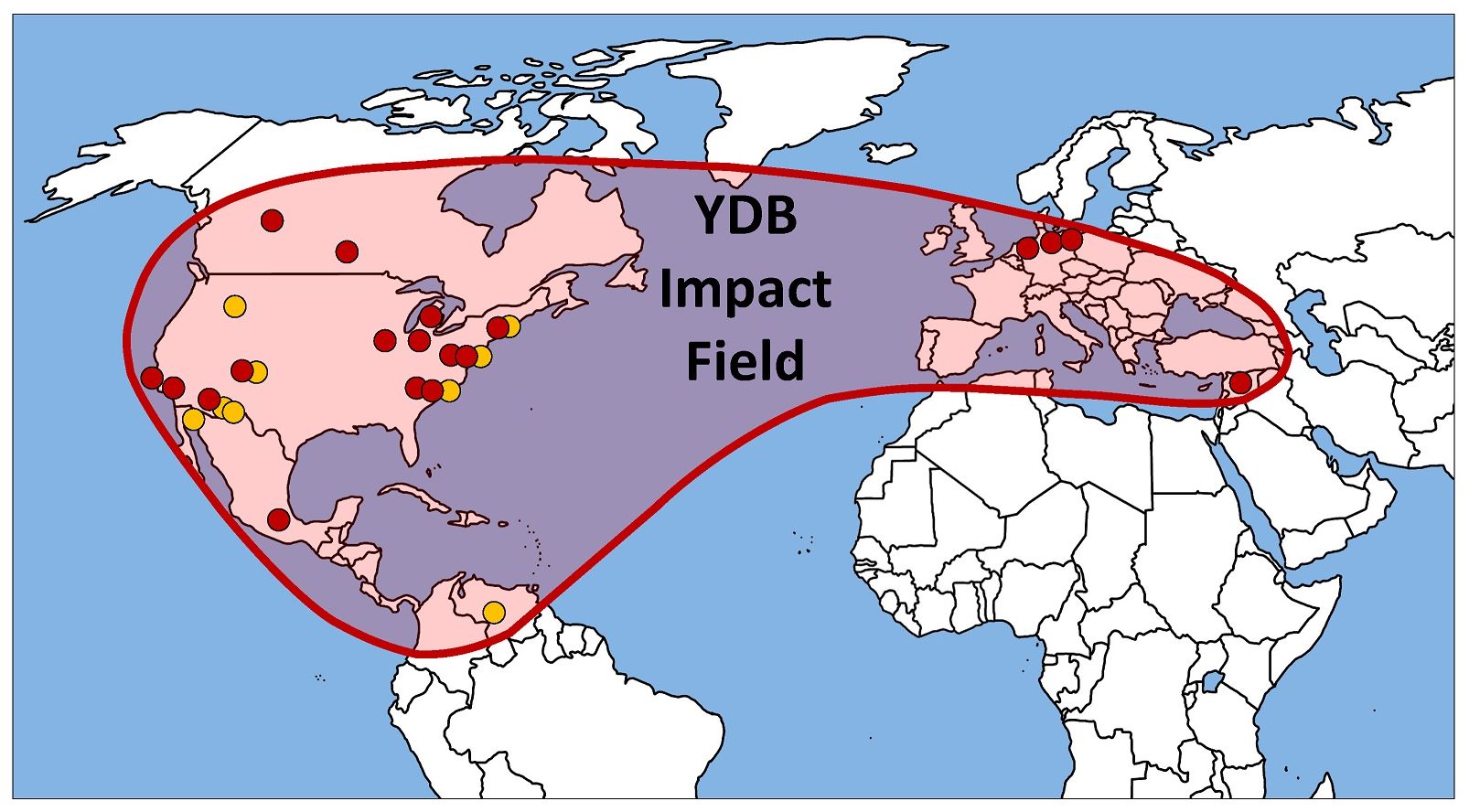

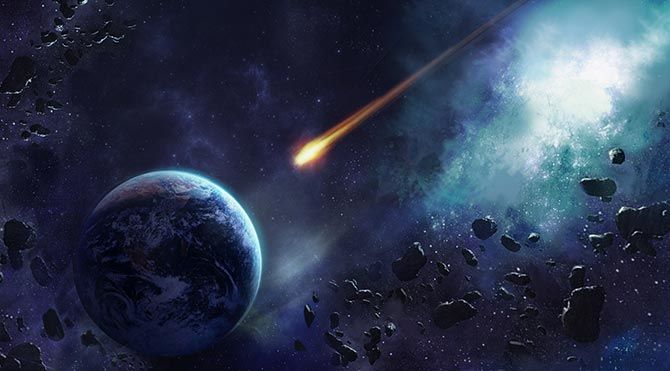


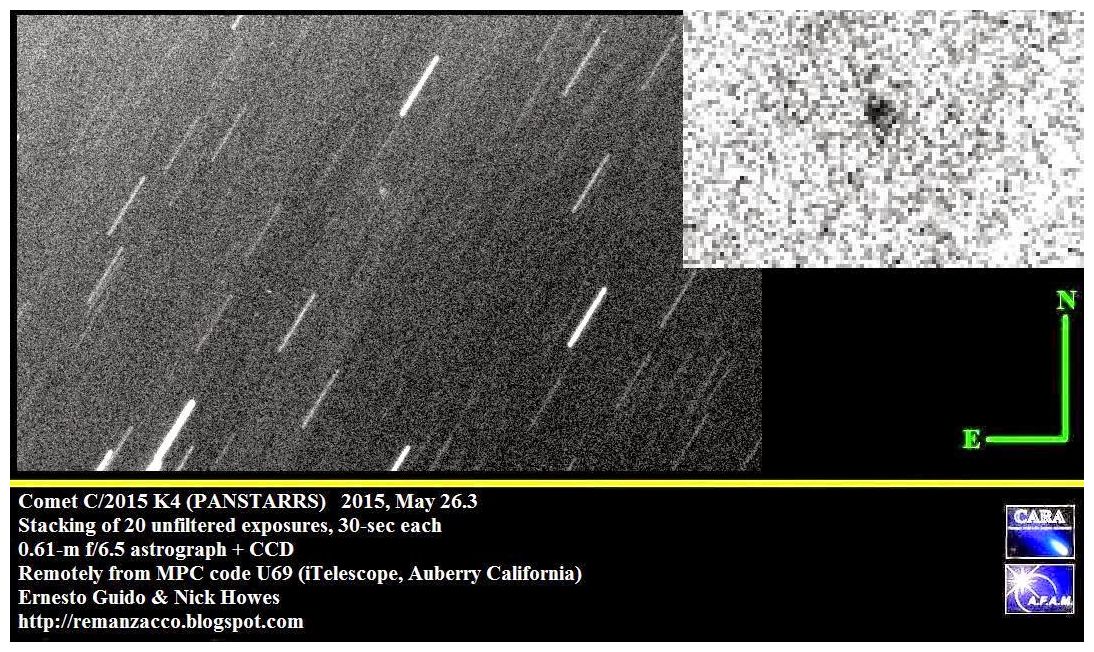
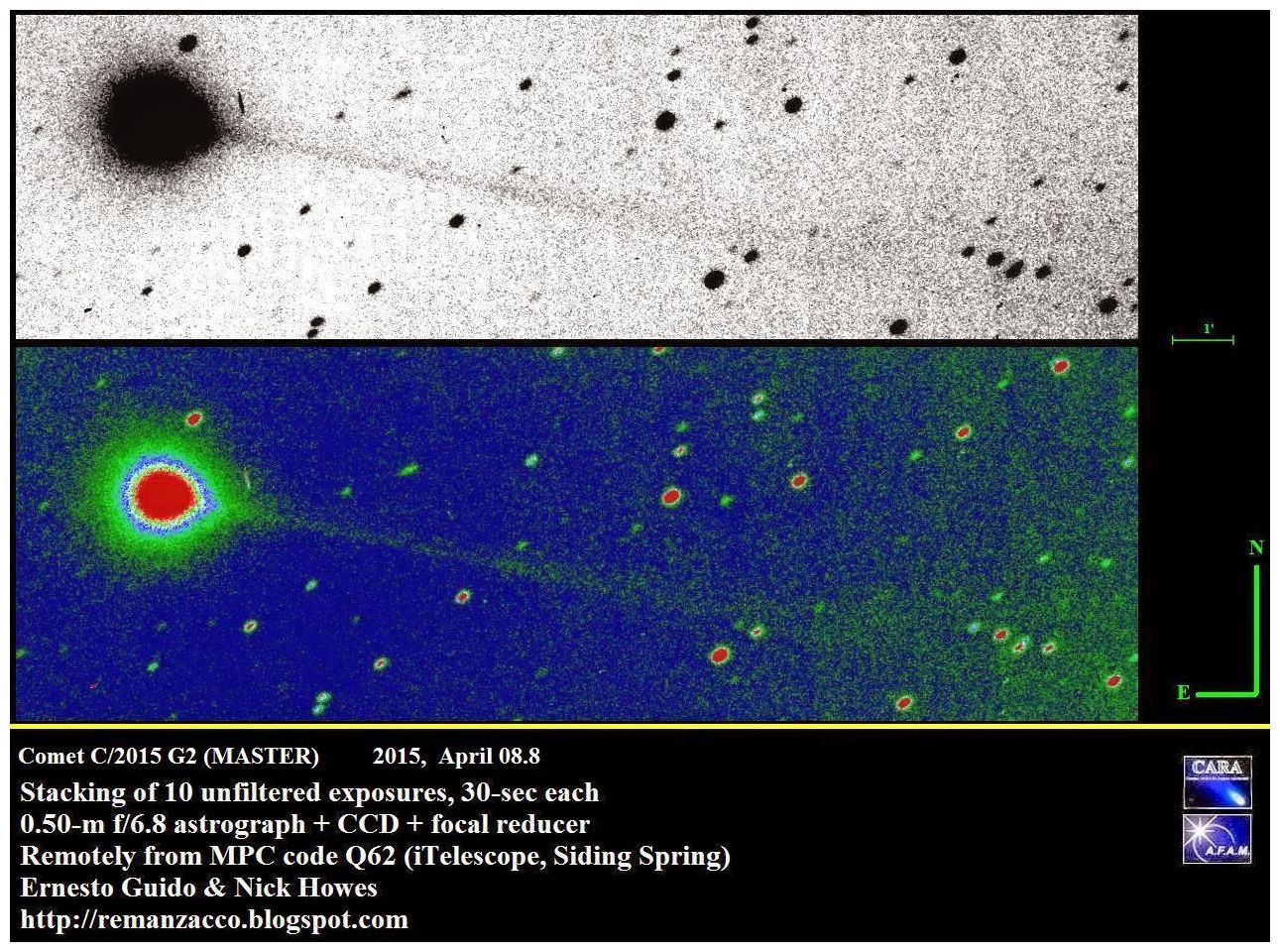
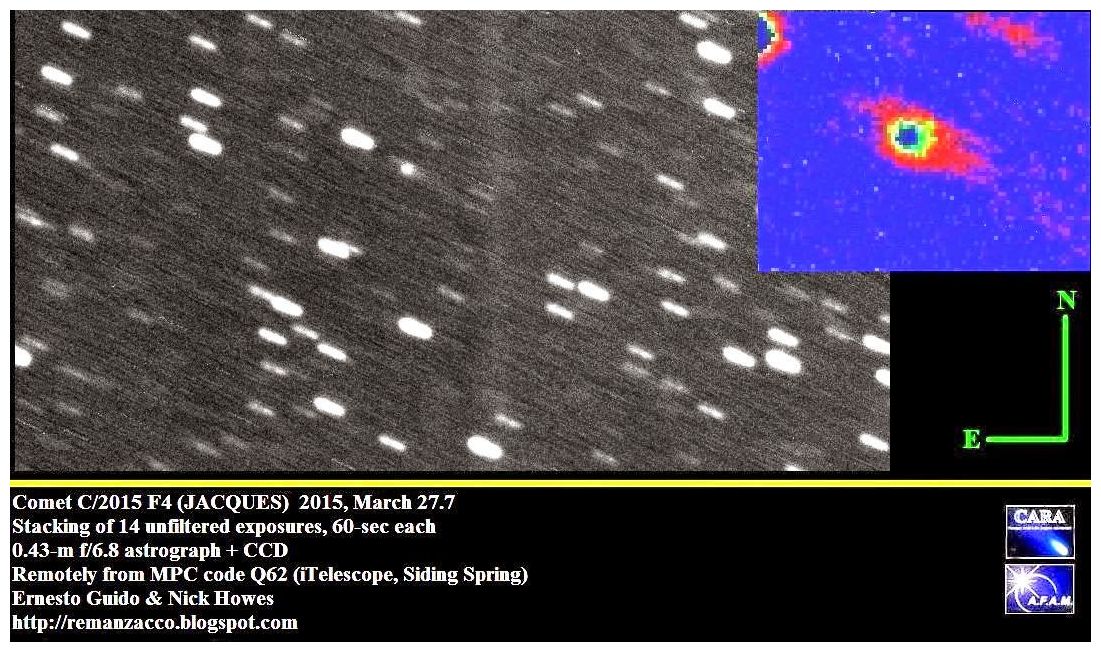
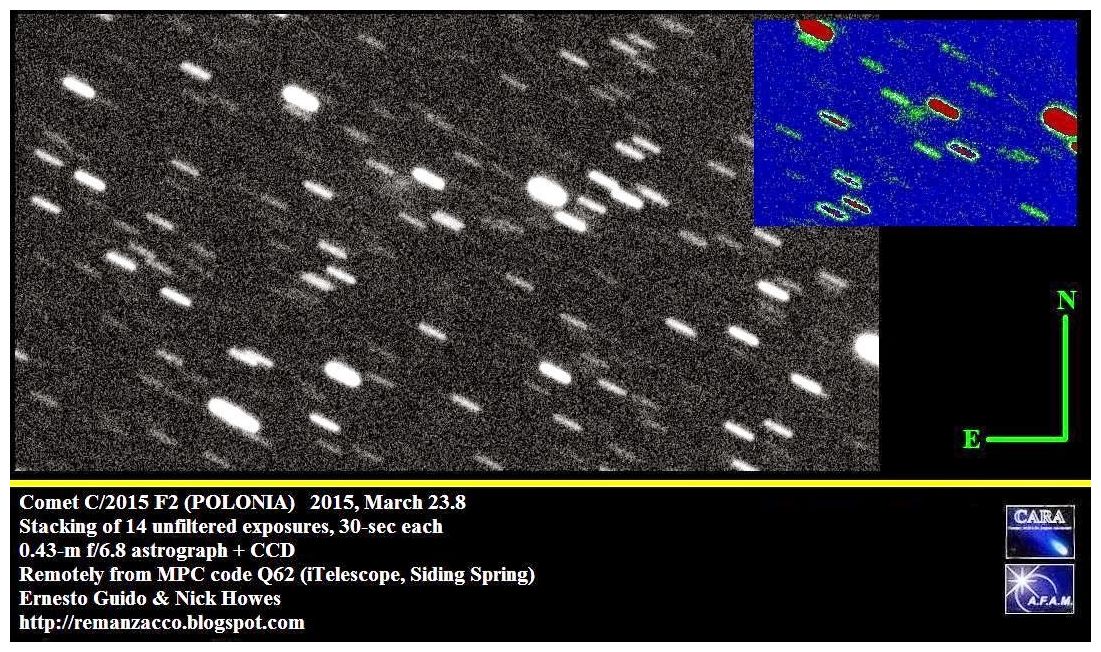
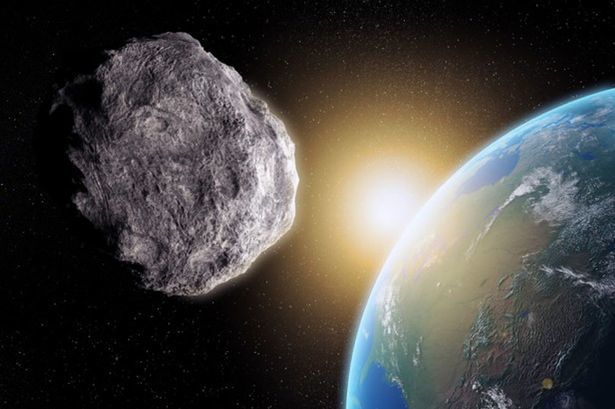



Comment: For more on the very high probability of Earth soon being on the receiving end of a major cometary bombardment, and why,
see Laura Knight-Jadczyk's Comets and Catastrophe series:
Tunguska, Psychopathy and the Sixth Extinction
Letters From the Edge
Meteorites, Asteroids, and Comets: Damages, Disasters, Injuries, Deaths, and Very Close Calls
Impact Hazards on a Populated Earth?
Climate Change Swindlers and the Political Agenda
Forget About Global Warming: We're One Step From Extinction!
New Light on the Black Death: The Cosmic Connection
The Hazard to Civilization from Fireballs and Comets
Cosmic Turkey Shoot
Wars, Pestilence and Witches
Thirty Years of Cults and Comets
Comet Biela and Mrs. O'Leary's Cow
Tunguska, the Horns of the Moon and Evolution
And the books: Comets and the Horns of Moses by Laura Knight-Jadczyk
and Earth Changes and the Human Cosmic Connection: The Secret History of the World - Book 3 by Pierre Lescaudron
and Laura Knight-Jadczyk