
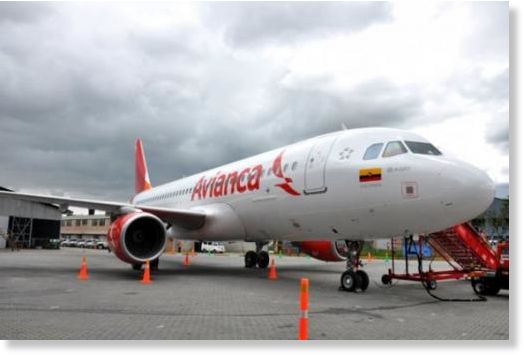
© El Espectador
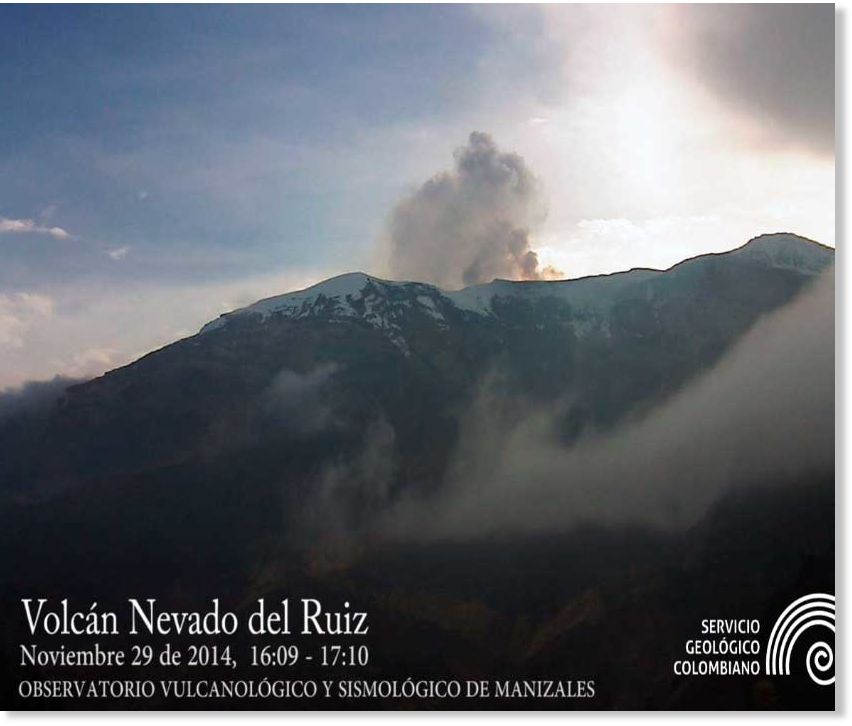
The measure to suspend operations in the terminal was adopted to prevent any air accident because the ashes might interfere with the good functioning of plane turbines. Besides, the volcano, located between the central departments of Caldas and Tolima, continue emitting sulfure dioxide, though for the time being the situation is not serious, said Cortes as quoted by El Espectador newspaper.
Located 220 km west of Bogota, is part of the volcanic strip of Los Andes, also including another 74 similar structures. Its first eruptions occurred 1.8 million years ago, in the early Pleistocene, but the most lethal explosion was registered in November, 1985, when an enormous lahar (mud and debris flow) buried the small town of Armero, in Tolima, in Lagunilla valley, where only one fourth of its 28,000 inhabitants managed to survive in the absence of early warnings or predictions. Chinchina town also suffered the impact of the phenomenon, losing nearly 2,000 inhabitants. - Prensa Latina






Comment: Seems Mother Earth is moving about again:
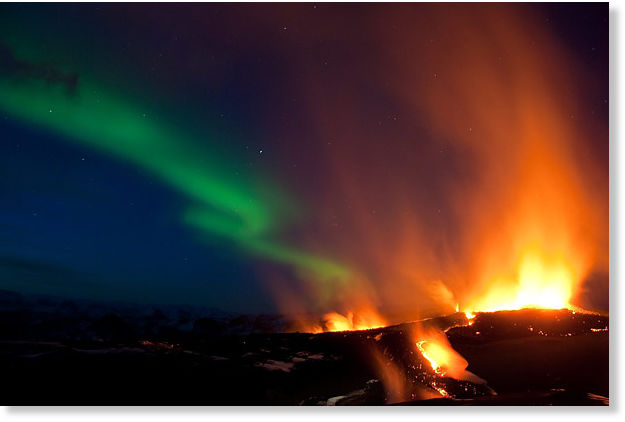
Time-bomb? Iceland's Bardarbunga volcano eruption mystery - ground sinking below lava build-up by a foot a day
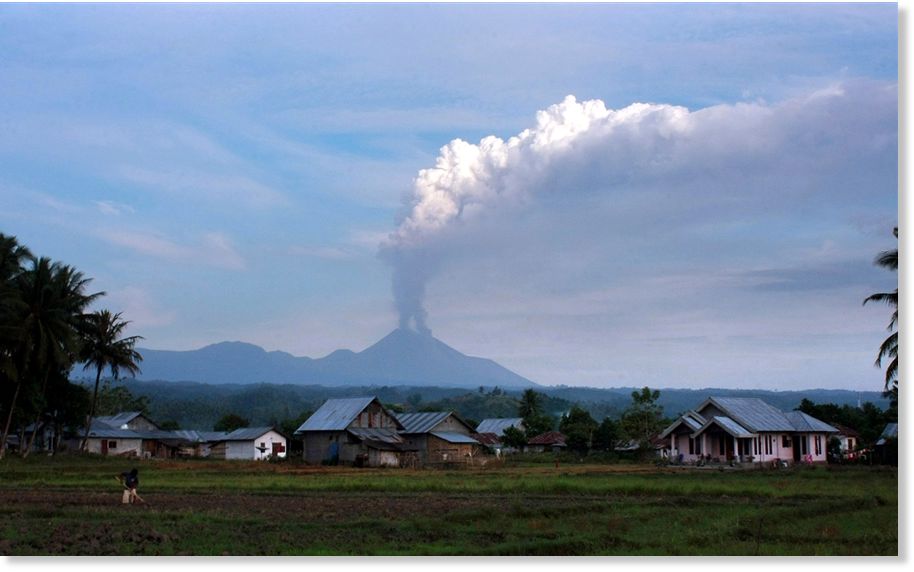
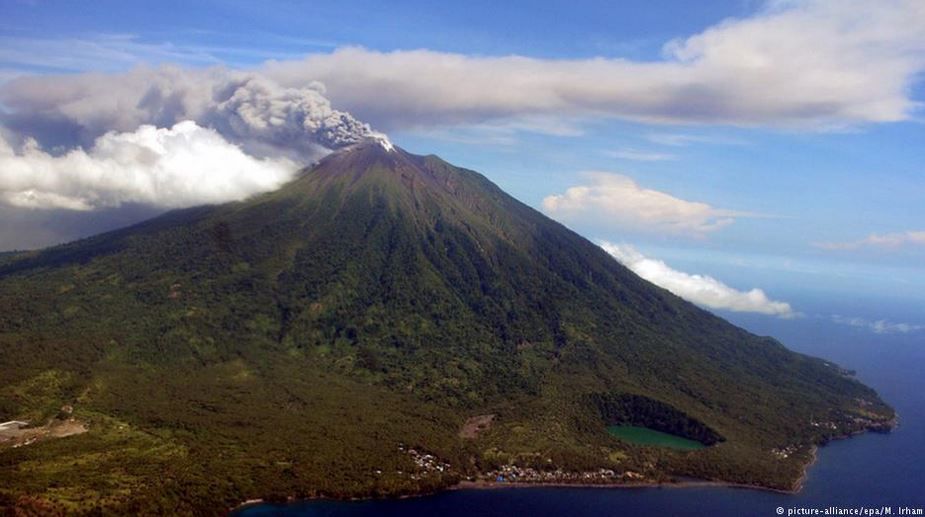
Indonesia's Soputan volcano blows its top in strong, explosive eruption