
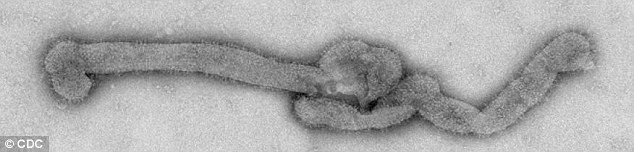
© CDCA Kansas man who fell sick after a tick bite and died 11 days later was killed by the newly discovered 'Bourbon' virus, which has never before been seen in America
The man, who was previously healthy and in his 50s, became ill after receiving a tick bite while doing work on his property outdoors. Although he was treated with antibiotics, his organs eventually failed and he lost the ability to breathe on his own.
Researchers from the Centers for Disease Control and Prevention investigated the man's blood and found he had been infected by a previously unidentified virus that belonged to the thogotoviruses group, which had never before caused human illness in the U.S.
The CDC has named the virus 'Bourbon', after the man's county, according to USA Today.
Before the Kansas man, there had only been eight incidents in which a strain of the thogotovirus had caused symptoms in humans - and they all occurred in Europe, Asia or Africa.
This is the first time the CDC has seen a thogotovirus affect blood cells.
When he was initially tested, the Kansas man's symptoms were similar to a bacterial illness transmitted by ticks. His white blood cells and platelets, which respectively fight infections and help the blood clot, were in decline.
In contrast, thogotoviruses are known to cause meningitis.

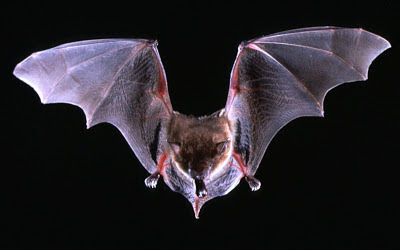
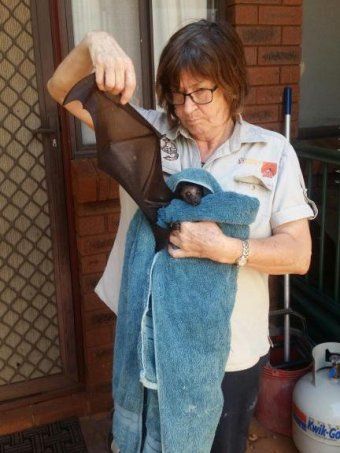















Comment: The newly emerging Australian Bat Lyssavirus in a captive juvenile black flying fox exhibited progressive neurologic signs, including sudden aggression, vocalization, dysphagia, and paresis over 9 days and then died. This virus is considered endemic in Australian bat populations and causes a neurological disease in people indistinguishable from clinical rabies. There are two distant variants of ABLV, one that circulates in frugivorous bats (genus Pteropus) and the other in insectivorous microbats (genus Saccolaimus). Three fatal human cases of ABLV infection have been reported and each manifested as acute encephalitis but with variable incubation periods. Importantly, two equine cases arose in 2013, the first occurrence of ABLV in a species other than bats or humans.