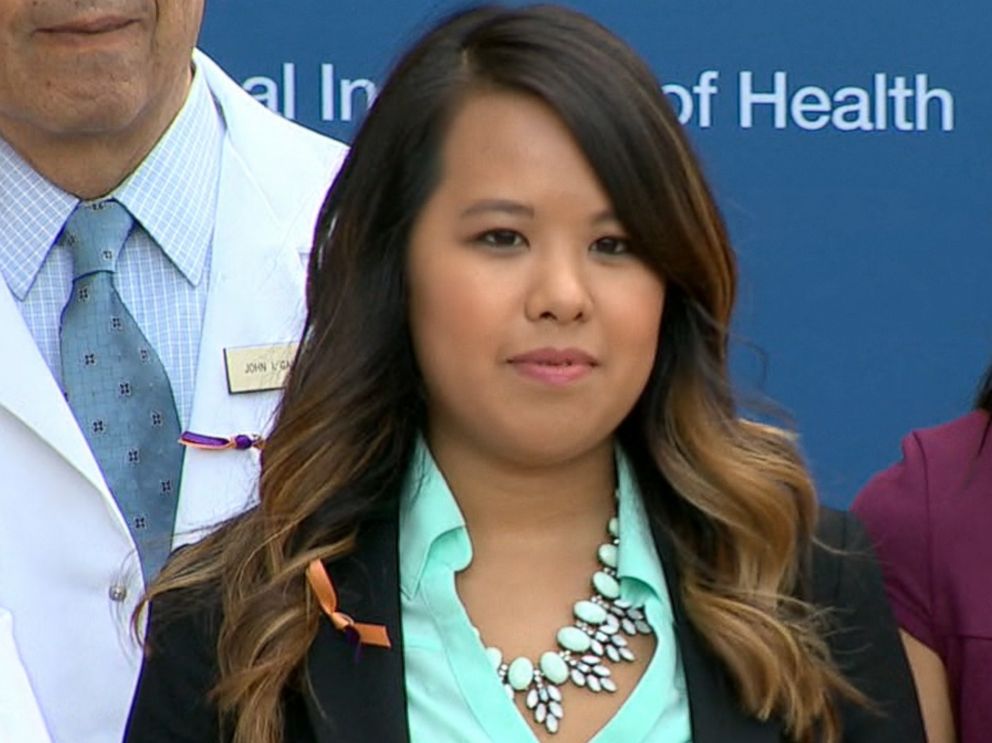
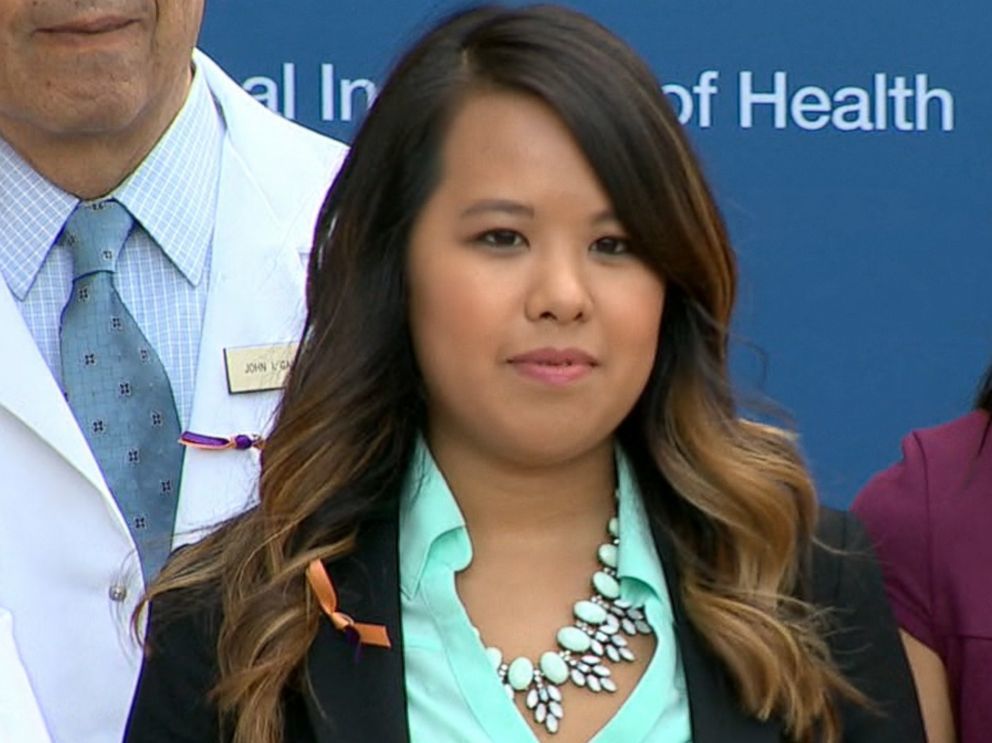
© abcnews.go.comEbola survivor Nina Pham
Texas nurse Nina Pham, who was infected with Ebola, says she has had
ongoing health problems since being cured of the disease, and experts say this is not uncommon for Ebola survivors.
Pham said this week that she has experienced
hair loss, body aches and insomnia in the months following her Ebola infection last fall, according to
The Dallas Morning News. She was diagnosed with the disease in mid-October, after treating a patient from Liberia who had Ebola. Pham was declared Ebola-free a few weeks later.
The long-term effects of Ebola have not been well studied, and doctors will likely learn a lot more about the disease's aftermath from the most recent outbreak in West Africa, the largest in history, said Dr. Jesse Goodman, an infectious-disease expert and a professor of medicine at Georgetown University Medical Center in Washington, D.C.
But it is clear that Ebola survivors can experience health problems that remain with them temporarily as a result of their battle with the disease, Goodman said. "These effects — which include body and joint aches, and fatigue — are "the kind of side effects you might expect from any very serious infection."
These symptoms may result, in part, from the
body's release of certain immune-system chemicals called cytokines. These chemicals fight the disease but make people feel sick.
Dehydration, low blood pressure and nutrition problems that people experience during an Ebola infection can also injure a person's muscles or other tissues, Goodman said.
Muscles and nerves also could be directly injured by the virus and take time to recover, Goodman said. Ebola survivor Nancy Writebol has said that she experienced
nerve pain after her infection.


















Comment: Looks like America is catching on to the 'Fast food rejection'