
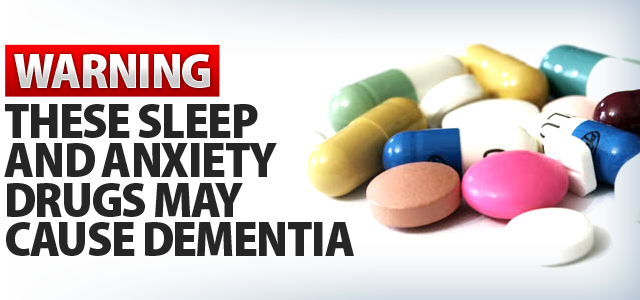
Benzodiazepines include branded prescription drugs like Valium, Ativan, Klonopin and Xanax. This class of drug received FDA approval in the 1960s and was believed to be a safer alternative to barbiturates.
Despite new psychiatric protocols, some physicians continue to prescribe benzodiazepines as a primary treatment for insomnia, anxiety, post-traumatic stress disorder, obsessive compulsive disorder and other ailments. A growing body of research indicates this practice could greatly increase patients' risk of dementia and Alzheimer's disease, according to Helene Alphonso, DO, Director of Osteopathic Medical Education at North Texas University Health Science Center.
"Current research is extremely clear and physicians need to partner with their patients to move them into therapies, like anti-depressants, that are proven to be safer and more effective," said Dr. Alphonso, a board-certified psychiatrist practicing in Fort Worth. "Due to a shortage of mental health professionals in rural and underserved areas, we see primary care physicians using this class of drugs to give relief to their patients with psychiatric symptoms. While compassionate, it's important to understand that a better long-term strategy is needed."
Comment: Actually anti-depressants are not a better alternative; they have also been found to be ineffective, and fraught with numerous serious side effects:
- Anti-depressant study disturbing
- Psychological side-effects of anti-depressants worse than thought
- People who are taking anti-depressant medications are more likely to develop Parkinson's disease
- When it comes to Anti-depressants, it appears profit, not benefits, outweigh the risks
- Antidepressants Proven to be Useless, Pushed on Public Anyway
- A single dose of SSRI antidepressant can alter brain architecture in hours














Comment: For more effective and safer methods to help alleviate anxiety and stress, see: