Health & WellnessS


Attention

Three hours of sitting can damage your blood vessels

Image
Increasing research has highlighted the significant risk of excessive sitting for adults, but "grown-ups" are not the only ones at risk. Children spend more than 60 percent of their waking day sedentary,1 and by some estimates children sit an average of 8.5 hours a day.2

Further, activity levels are thought to decline steeply after age 8, especially among girls.3 Researchers decided to study a small group of girls (aged 7 to 10 years) to determine if sitting is as detrimental to their health as it appears to be to adults.

In adults, sitting for hours leads to constricted arteries in your legs, which impedes blood flow, raises blood pressure, and contributes to the development of heart disease over time.4 Does the same hold true among children?

Comment: Additional information about the negative effects of sitting too long:


Bacon

Professor of Nutritional Epidemiology debunks the idea: 'Eating fat makes you fat'

Image
Healthy fats have been replaced in prepared foods with sugar and salt to add flavor

The science surrounding a low-fat diet has changed but our attitudes haven't kept up, a dietitian says.

The idea that saturated fats were associated with high cholesterol and heart disease was sparked by the Seven Countries Study of middle-aged men in Greece, Italy, Spain, South Africa, Japan, Finland and the U.S.

Based on the findings of the 1950s study, Minnesota physician Ancel Keys warned about the risks of fatty foods.

The idiom "eating more fat makes you fat" was engrained in the 1970s but it hasn't survived the test of time, says Russell de Souza, a registered dietitian and professor of nutritional epidemiology at McMaster University in Hamilton, Ont.

Comment: A Big Fat Mistake - 'Is it possible - even imaginable - that nearly everyone has been wrong about saturated fat and its connection to heart disease? Brace yourself. Based on a wave of new research, all the dietary admonitions about saturated fat could end up being little more than a huge mistake.'


Document

Lyme advocates say: 'Center for Disease Control Lyme Group violates the law'

Image
The Centers for Disease and Control Prevention (CDC) group responsible for policy on Lyme disease violates federal law by extending preferential treatment to the Infectious Diseases Society of America (IDSA) says a petition created by a group of Lyme patient advocates. The petition to End Preferential Treatment of the IDSA Guidelines for Lyme Disease was filed with the CDC's Bacterial Diseases Branch on Wednesday, October 14.

The petitioners are exercising their First Amendment right to petition the government for "a redress of grievances," along with a more specific right added by the Administrative Procedure Act, which provides "interested persons" with the "right to petition for the issuance, amendment, or repeal of a rule."

Comment: Chronic Lyme Disease: A silent epidemic the government chooses to ignore
It just so happens that 9 out of the 14 authors who created the IDSA Lyme Guidelines have direct conflicts of interest. As reported in Lyme Disease: The CDC's Greatest Coverup and What They Don't Want You to Know:
Connecticut Attorney General Richard Blumenthal investigated the IDSA panel members for possible violation of antitrust laws and conflicts of interest.

Of the 14 panel authors of the first edition guidelines: 6 of them or their universities held patents on Lyme or its co-infections, 4 received funding from Lyme or co-infection test kit manufacturers, 4 were paid by insurance companies to write Lyme policy guidelines or consult in Lyme legal cases, and 9 received money from Lyme disease vaccine manufacturers. Some of the authors were involved in more than one conflict of interest.


Question

Cancer detection & treatment: Does it lead to the spread of the disease itself?

Image
Cancer is a deadly disease, but it is also a wonderful revenue generation tool for multi-national conglomerates. Not only pharmaceutical companies, but hospitals, oncologists, cancer specialists, diagnostic facilities, and many other distinct entities that comprise a 125 billion dollar cancer industry. Cancer awareness propaganda and detection revolves around funneling patients through various levels of diagnoses and treatment to maximize profits at the expense of human health.

Comment: Our medical industry and corrupted data: The Cancer media war for your mind and body
A new report claims that millions of lives have been saved in the past two decades due to 'early detection' of cancer and improved treatment, but is it true?
...

What this essentially means is that instead of taking responsibility for the medical-induced harm (iatrogenesis) that breast, prostate and thyroid screening incurs, the conventional medical establishment counts these overdiagnosed cases as treatment successes ('live saving'), despite the untold harm, physical and psychological, these diagnoses and subsequent unnecessary treatments exacted on their victims. This unethical 'oversight' resulted in expanding the number of 'cancer survivors' far beyond those who were actually 'saved from cancer.'


Red Flag

Our food: 34,000 Pesticides & 600 Chemicals

Image
More than 34,000 pesticides derived from about 600 basic ingredients are currently registered for use in the United States by the EPA. Industrial agriculture (meaning about 75% of all land used in the U.S. to grow food or raise animals) relies on these chemicals to grow food. Where, exactly has this gotten us? [1]

Comment: Nasty and crazy effects of pesticides


Health

Statins: The fine print

Image
© ALAMY
Statins, the widely prescribed class of drugs said to lower "bad" cholesterol and reduce the risk of heart problems, has recently come under fire after a study revealed that they destroy human health more than they work to improve it. Sadly, many people take statin drugs, which are commonly known by brand names including Lipitor, Crestor and Zocor. Prescription drug spending in the U.S. shot up to about $374 billion in 2014, representing the highest level of spending since 2001. Statins undoubtedly made up a significant portion of this spending, and now consumers who take such drugs have much more to worry about than the dent it's making in their wallets.

The study, which was published in the American Journal of Physiology, states that statins' "...impact on other biologic properties of stem cells provides a novel explanation for their adverse clinical effects." Specifically, the study states that such adverse effects include advancing the "process of aging" and also notes that "...long-term use of statins has been associated with adverse effects including myopathy, neurological side effects and an increased risk of diabetes." Myopathy refers to skeletal muscle weakness.

Comment: A link to the study mentioned can be found here


Health

Study on lab mice finds marijuana use during pregnancy has lifelong effects on offspring

Image
© Mark Blinch / Reuters
Offspring of pregnant lab mice subjected to doses of THC, the main active ingredient in marijuana or cannabis, exhibited effects lasting a lifetime, according to a study published in the official journal of the National Academy of Sciences.

Mice, like humans, are naturally equipped to receive cannabinoids, the chemical compounds found in marijuana. The primary cannabinoid receptor, CB1, sends signals to the brain, but when that signaling was interrupted by THC, or tetrahydrocannabinol, its full development was never realized in the in utero mice, even into adulthood.

Unlike humans, mice have very high concentrations of cannabinoid receptors where motor skills and coordination of movement are developed. That partially explains why it's difficult to know the full implications for humans of this study, which was carried out by scientists from Complutense University of Madrid, Spain. Besides being a potential red flag for recreational marijuana use, this study could have implications for people who take prescription drugs for seizures that are cannabinoid-based.

Attention

Can exposure to fracking chemicals cause male sterility?

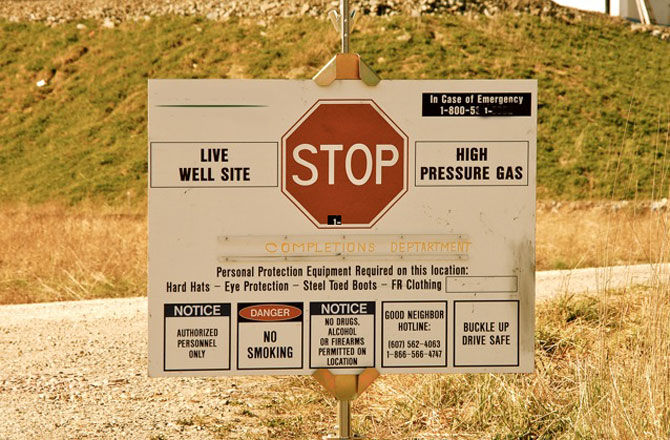
Fracking site sign in Midwestern US
© Hatchingfuture via Wikimedia CommonsA fracking site in the Midwestern United States offers safety warnings.
Fracking — a process in which water, sand and chemicals are pumped into the earth to crack open deposits of gas and oil — has created an energy boom in the United States, but a lot of people are worried about whether it's contaminating our underground supply of drinking water.

The energy industry contends that the risks are minimal, but an EPA report released in June contained a more guarded assessment. The report conceded fracking had contaminated the water supply in some parts of the United States, but the impact "was small compared to the number of hydraulically fractured wells." Another potential danger, however is detailed in a new study that suggests fracking chemicals lead to male sterility.

Comment: So not only does fracking contaminate the water supply with oil and gas, but also endocrine-disrupting chemicals. All of which can have seriously negative impacts on health. Throw in the evidence that fracking can cause earthquakes, and it makes one wonder what the EPA really does since it obviously doesn't care about protecting the environment.


Health

Monsanto suffers major defeat as majority of EU states say 'No to GMO'

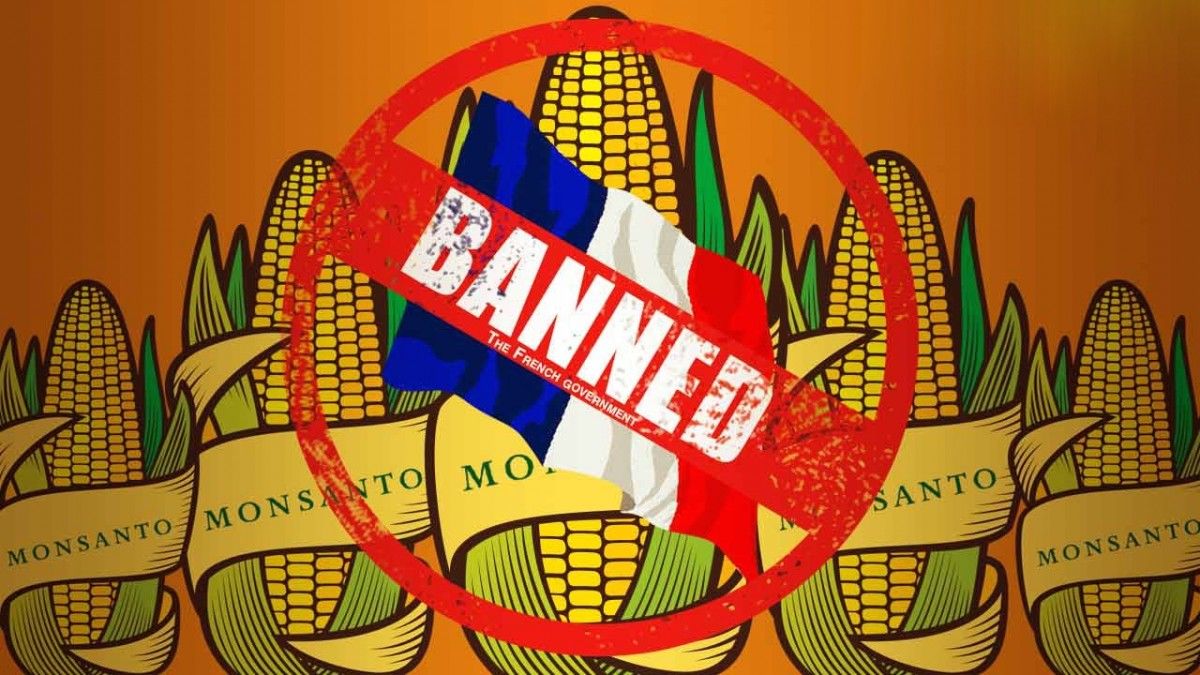
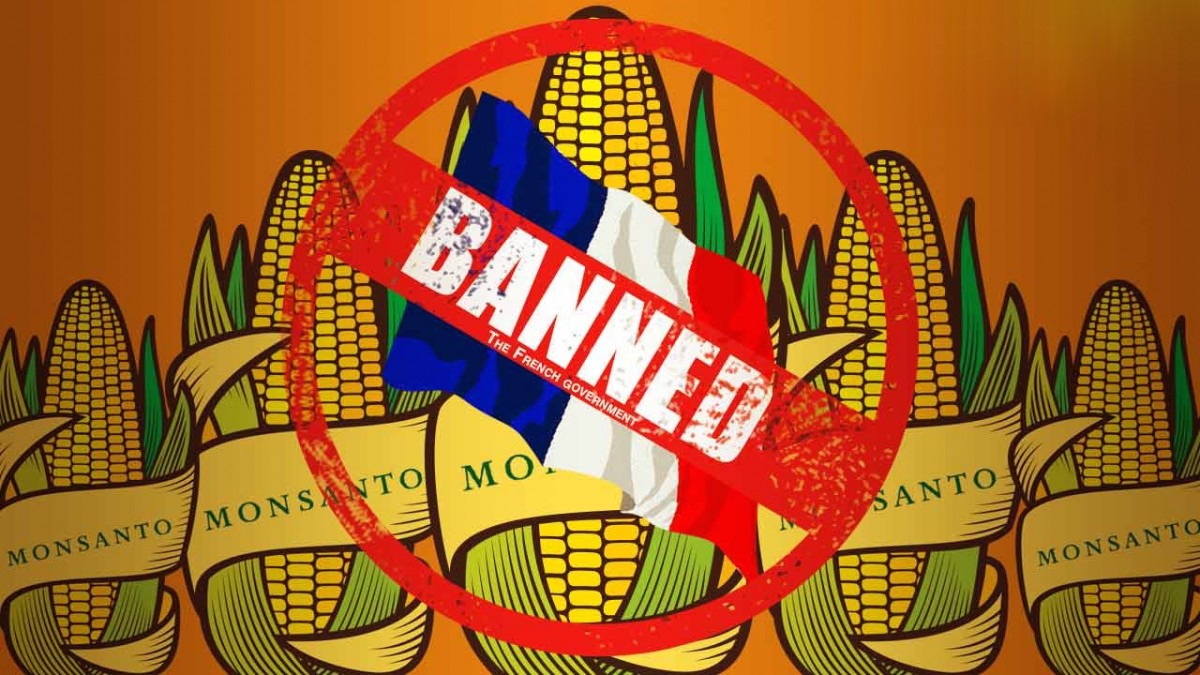
GMO banned
© Bidness Etc
Monsanto and the GMO agribusiness cartel have suffered a major new defeat as two-thirds of the 28 EU member states have opted for a full ban on GMO crops according to the terms of new Brussels rules allowing national decision on the toxic agro-technology. The bans across the EU greatly expand the EU acreage off-limits to GMO from the previous somewhat chaotic EU procedures.

By the October 3 deadline, the EU Commission has announced that 19 of the 28 EU member countries have filed for a full "opt-out" or ban on GMO commercial crops in their countries. Other states can still file no GMO opt-outs after October 3 on certain grounds.

The states saying fully No to GMO now include Germany (except for limited research only, not commercial planting), and France. France continues its previous ban, including for Monsanto MON810 GMO maize, the only GMO crop presently in commercial cultivation in the EU, , mainly in Spain and Portugal. In addition to Germany and France, Austria, Bulgaria, Croatia, Cyprus, Denmark, Greece, Hungary, Italy, Latvia, Lithuania, Luxembourg, Malta, the Netherlands, Poland, and Slovenia all now have full GMO bans.

Comment: It looks like the GMO myths have not taken root in Europe:
1. Myth: GMOs have been adequately tested.

Truth: For years the biotech industry has pushed the message that there is a broad scientific consensus on the safety of GMOs. However, when asked about the safety of GMOs, the World Health Organization stated, "...individual GM foods and their safety should be assessed on a case-by-case basis and that it is not possible to make general statements on the safety of all GM foods." In terms of research, there have been no independent or long-term feeding studies conducted on any commercially produced GMOs to date. Additionally, the only testing currently being done is by the same companies that have developed and hold the patent on genetically engineered crops.

There exists a growing concern about the connection between GMOs and their impact on human health, the environment and societal responsibilities, and more research needs to be done.

2. Myth: GMO crops decrease the use of chemicals.

Truth: More than 80 percent of commercialized GMOs are engineered to be herbicide tolerant, insect resistant or both. As a result, "super weeds" and "super bugs" have emerged, which require the application of even more toxic chemicals to be combated. Consumers have started asking questions about the effects GMOs and the chemicals associated with their production are having across North America.The danger is that once these experimental organisms have been released into the environment they cannot be recalled.

3. Myth: We need GMOs to feed the world.

Truth: This is one of the main arguments supporters of genetically engineered crops use. Though there is mounting pressure on the world's food supply, studies show GMOs won't solve the problem. According to a 2015 report by the Environmental Working Group, 80 percent of the world's genetically engineered crops are corn and soybeans, which are predominantly used to produce animal feed and biofuel. There are also other strategies to feed the world, which would not have such great impacts on the environment, such as better use of the resources that do exist. Ultimately, the issue of global hunger requires political attention and much more than agricultural practices alone need to be examined.

Keeping consumers out of the dark: Debunking GMO myths:


Arrow Up

Bifidobacteria Probiotics: Fighting colds and flu infections

Image
It's back to school, and every new school year brings new cold and flu viral infections. Learn how certain bifidobacteria fight off and reduce colds and flu infections.

It's back to school, and kids are passing germs around like soccer balls being footed around school yards. As kids exchange viruses, the new or stronger viruses begin to replicate themselves within their cells - basically turning what were normal cells into clones for the virus.

For this reason, the cold and flu viruses that our immune system doesn't recognize yet tend to gain the strongest foot-hold.

Comment: Probiotics are Essential in Preventing Disease and Maintaining Health