Health & WellnessS


Magic Wand

Smelling Rosemary can increase memory

Image
Rosemary is known as an amazing herb that has many purposes. Traditional medicine has been using its leaves for centuries. Students in ancient Greece would often put rosemary sprigs in their hair when studying for exams, because they believed it improved their memory.

There's a reference to rosemary in Shakespeare's Hamlet, when Ophelia declares:
'There's rosemary, that's for remembrance: pray, love, remember.'

Question

Who owns your genes & can they help cure disease?

Image
"No large institution of society can survive without deploying hundreds or even thousands of cover stories." (The Underground, Jon Rappoport)
In an October verdict, rendered by the Australian High Court, the purported breast-cancer gene, BRCA1, cannot be patented by any company.

The Court distinguished between an invention, which can be patented, and a discovery of something that is already there, such as a gene in the human body.

The Court's verdict, hailed as "a victory for the people," obscures a deeper question: how do genes help cure disease?

Eye 1

The nightmarish side effects of sleep deprivation

Awake
© Photographee.eu/Shutterstock.com
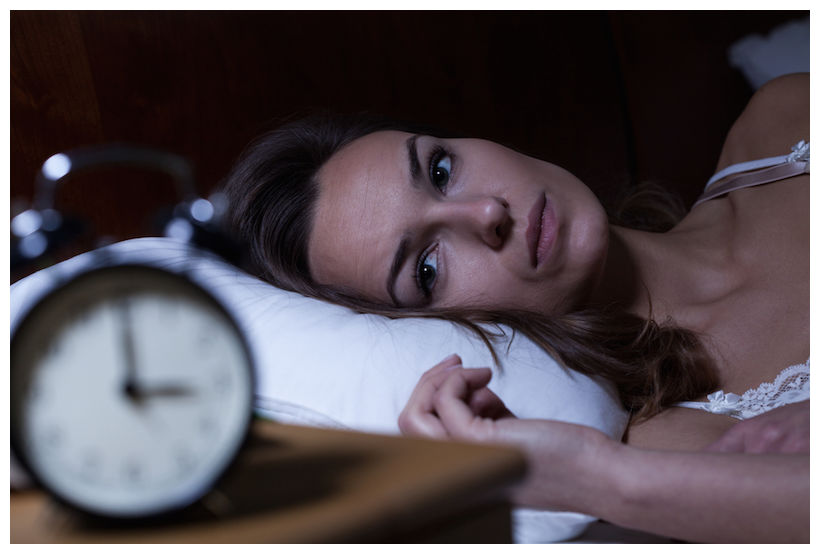
It's no surprise that a night without enough Zzzs can lead to a groggy morning. But bleary eyes and gaping yawns aren't the only things that can happen when your body needs more shut-eye.

Indeed, there are more nightmarish side effects to sleep deprivation.

If a person is deprived of sleep, it can lead to "tremendous emotional problems," said Dr. Steven Feinsilver, the director of the Center for Sleep Medicine at Icahn School of Medicine at Mount Sinai in New York City. "Sleep deprivation has been used as a form of torture," he said.

There isn't a clear definition of exactly how long a person must go without sleep, or how little sleep a person has to get to be considered sleep-deprived, and different people need different amounts of sleep, so there may be no universal definition of "sleep deprivation." Rather, a person is considered sleep-deprived if they get less sleep than they need to feel awake and alert, researchers say.

But still, research over the years has shown that people can be physically and psychologically damaged from not getting enough sleep, said David Dinges, a professor of psychology and the director of the Unit for Experimental Psychiatry at the University of Pennsylvania.

In fact, the damage is so apparent that it is unethical to coercively deprive someone of sleep, Dinges said. In the studies of sleep deprivation that Dinges and his colleagues conduct in their lab, healthy volunteers are placed in medically safe environments and constantly monitored.

But studying sleep deprivation is important, according to these researchers and others who study the condition. They say that learning what happens in people who are deprived of sleep can help researchers better understand the function of sleep and its importance for both physical and emotional health.

Nuke

History of dangerous problems at radioactive dump sites

Image
Unfortunately, the lack of foresight leading up to the recent Nevada explosion at a radioactive dump site shows the type of care one would expect Homer Simpson to show the Springfield nuclear power plant.

According to state and federal records,
The operator of a closed radioactive waste dump that caught fire in southern Nevada had trouble over the years with leaky shipments and oversight so lax that employees took contaminated tools and building materials home...

The firm, now called US Ecology Inc., had its license suspended for mishandling shipments in the 1970s — about the same time that state officials say the material that exploded and burned last weekend was accepted and buried.


Comment: And while the U.S. is busy exposing people to more sources of dangerous and cancer-causing radioactive waste the US Nuclear Regulatory Commission is claiming radiation good for you!
In one Radiation Hormesis Overiew, he contends: "We need more, not less, exposure to ionizing radiation. The evidence that ionizing radiation is an essential agent has been reviewed ... There is proven benefit." Radioactivity "activates the immune system", he continues, adding:
"The trillions of dollars estimated for worldwide nuclear waste management can be reduced to billions to provide safe, low-dose irradiation to improve our health. The direction is obvious; the first step remains to be taken ... Evidence of health benefits and longer average life-span following low-dose irradiation should replace fear."


Pills

Greedy pharma CEO Martin Shkreli furious after competitor offers alternative $1 AIDS pill

Image
Turing Pharmaceuticals’ CEO Martin Shkreli might have raised the price of Daraprim to a ridiculous amount, but the medication is not trademarked leaving the possibility to replicate the drug available. A competitor from San Diego has done just that and will be selling the medication for a much cheaper price.
Last month, Turing Pharmaceuticals sparked global outrage when CEO Martin Shkreli raised the price of a drug called Daraprim from $13.50 a pill to $750. Luckily, the medication is old enough that there are no trademark restrictions on it, so other companies are free to develop an identical medication at a lower price.

It took roughly one month for a competitor to come on the scene and offer a lower price.

Comment: Read more about greedy pharma and Imprimis' alternatives:


Beaker

The hidden dangers of Canola Oil

Image
Canola oil is not the healthy cooking and salad oil it's made out to be, despite all the wonderful marketing touting it as the healthiest option out there. But before we get to why, let's first get to know canola oil and the seeds it comes from.

What Is Canola?

Canola oil is a processed oil derived from rapeseed. Back in the 1970s, Canadian scientists at the University of Manitoba used natural breeding methods to create a new kind of rapeseed in an effort to reduce the plant's naturally occurring glucosinolates and erucic acid. This hybrid rapeseed is used to produce what we now know and consume as canola oil.

Comment: More disturbing truths about Canola Oil:


Alarm Clock

Doctor speaks out: Shaken baby syndrome or death by vaccine?

Image
More and more innocent men and women are being falsely accused of committing shaken baby syndrome and later jailed for murder after a vaccine injury has occurred.

Unfortunately, an alarming number of medical and law enforcement professionals are quick to accuse caregivers of shaking their infants so hard that they have caused them to suffer from shaken baby syndrome (SBS), defined by a triad of serious brain injuries that can also be attributed to vaccine adverse reactions.

Comment: Health Impact News reported the following information regarding this case:

The CDC Admits the MMR Vaccine Can Cause Seizures
The US Centre for Disease Control and Prevention (CDC) website states:
Moderate Problems
  • Seizure (jerking or staring) caused by fever (about 1 out of 3,000 doses)
  • Temporary pain and stiffness in the joints, mostly in teenage or adult women (up to 1 out of 4)
  • Temporary low platelet count, which can cause a bleeding disorder (about 1 out of 30,000 doses)
Severe Problems (Very Rare)
  • Serious allergic reaction (less than 1 out of a million doses)
  • Several other severe problems have been reported after a child gets MMR vaccine, including:
    • Deafness
    • Long-term seizures, coma, or lowered consciousness
    • Permanent brain damage
Is it possible that Amelia's bleeds to the brain were caused by a temporary low platelet count, causing her to bleed internally?

This was listed by the CDC as one of the "moderate problems" caused by the MMR vaccination.

As expected, the CDC used a "get out of jail free card" at the end of the adverse reactions section, stating:
"These are so rare that it is hard to tell whether they are caused by the vaccine."



Health

Brain increases opiate receptors to combat long-term severe pain

Chronic Pain
© Dreamstime
Just under a third of our population, or more than 100 million Americans, suffer from chronic pain. Chronic pain is pain that lasts for more than six months and, as the statistics imply, is an enormous burden in America and worldwide.

In fact, in the UK chronic pain afflicts approximately 46 percent of the population comprising 20 percent of consultations in general practice.

Now, a new study from the University of Manchester has shown for the first time that the numbers of opiate receptors in the brain increases to combat severe pain in arthritis sufferers.

The study originated when researchers observed that some people seem to cope better than others with pain. As such, investigators evaluated how these coping mechanisms work in hopes of discovering a new approach to treat this distressing symptom.

Comment: People need to understand that there are alternative methods for coping with severe pain, rather than resorting to extremely dangerous opioid medications that can ultimately backfire. Doctors have been freely dispensing these drugs, resulting in an epidemic of addiction and deaths that are higher than heroin and cocaine combined.


Attention

Mistakes made in half of all surgeries at Massachusetts General Hospital

surgical team in surgery
Hospitals can be dangerous places. Previous studies have shown that more than 700,000 Americans contract healthcare-associated infections each year, according to the CDC, and medical errors are responsible for anywhere from nearly 100,000 to over 400,000 U.S. deaths annually.

So it's tragic, if not much of a shock, to learn that a mistake or adverse event occurred in every other surgery performed at Massachusetts General Hospital and in 5 percent of observed drug administrations, according to new research from the same hospital.

Drug delivery protocols for hospital in-patients are rigorous and thorough, often involving a series of drug and dosage checks by all the involved providers, including the attending physician, pharmacist and nurses.

Fire

St Louis residents endangered by government mishandling of radioactive chemicals, underground fire threatens to make matters much worse

Image
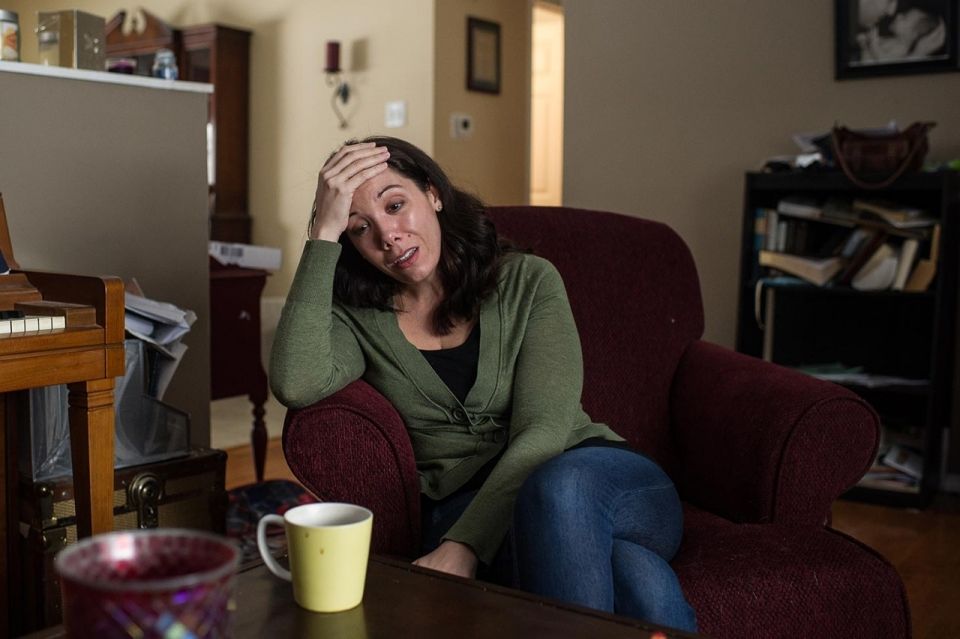
© Alexey Furman for Al Jazeera AmericaDawn Chapman recounts learning of her friend and neighbor's daughter being diagnosed with appendix cancer.
If it were any other morning after six inches of overnight snow in St. Louis, Dawn Chapman probably would have been sledding with her three kids. But one phone call from a distressed neighbor at 6 a.m. changed that. A 21-year-old who lives nearby — their friend's daughter — got the biopsy results from her ruptured appendix. The tests confirmed everyone's fears: appendix cancer.

Chapman lives near the West Lake Landfill, a site located in the heart of metropolitan St. Louis that increasingly appears to have a much more ominous past than many thought. Missouri Department of Health and Senior Services data from 2014 has also shown increased rates of rare cancers near the site.

In 1973, radioactive waste a private company had bought from the government was illegally dumped at the landfill. The Nuclear Regulatory Commission recommended the waste be removed in 1988, but the company that now owns the land has — with EPA approval — opted for containment as opposed to removal, maintaining that the waste there is low-level when it comes to radioactivity, and not a threat to public health.

But it may not be that simple. Government documents unearthed by residents suggest that the extent of the contamination may be far worse — perhaps at an unprecedented level, some experts say. Following a largely broken or incomplete paper trail, residents and activists have found evidence that there may be soil laced with uranium, thorium and radium buried there.

And there is another problem: the fire. It smolders underneath an adjacent landfill, burning at some 300 degrees and slowly moving toward where the waste is thought to be. Nobody is quite sure what will happen if the two meet, but locals and the county are preparing for the worst: a nuclear emergency in the middle of St. Louis.