When physicians (or medical paraprofessionals) prescribe psychiatric drugs to children without the parent or legal guardian's fully informed consent, the
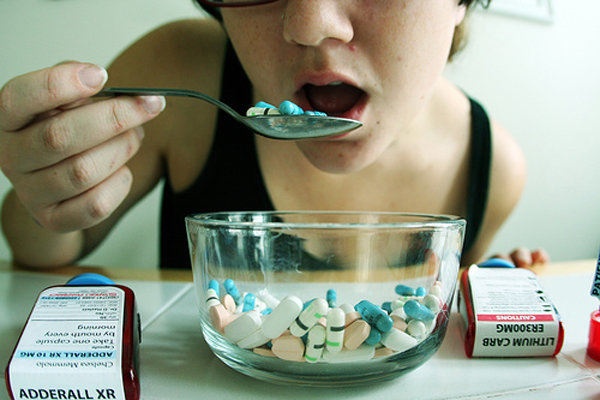
prescribers could reasonably be charged with reckless endangerment and/or child endangerment because such drugs commonly cause a multitude of well-known adverse effects, including the following short list: worsening depression, worsening anxiety, sleep disturbances, suicidality, homicidality, mania, psychoses, heart problems, growth disturbances, malnutrition, cognitive disabilities, dementia, microbiome disorders, stroke, diabetes, serious withdrawal effects, death, sudden death, etc. We physicians (not only psychiatrists) normally only spend a small amount of our scarce time warning about a few of the dozens of potential adverse effects when we recommend drug treatment - and apparently most American courts uphold this questionable action when the rare malpractice case manages to be heard in the legal system.
And yet, Child Protective Services has the legal right to charge parents with medical neglect for refusing to give their child a known neurotoxic or psychotoxic drug that wasn't adequately tested either in the animal lab or in long-term clinical trials prior to being given marketing approval by the FDA.
This makes no sense to parents and can't be explained by their lawyers, especially if the parents know more than their medical caregivers about the multitude of potentially serious dangers that such drugs could pose for their child. It is worth noting that
psychiatrists admit that there is no scientific test in existence that proves that children deserve a permanent mental illness label (and getting brain-altering drugs for the rest of their lives).
Indeed,
making a psychiatric diagnosis in this big business era of high volume/high turnover patient care is
based largely on an unscientific, sometimes absurd checklist of patient behaviors, emotions or thoughts, often hurriedly obtained after a relatively short office visit. Checklists of signs or symptoms of a newly thought-up "mental illness" periodically are composed at the annual meetings of the American Psychiatric Association where the newly invented "disorder" is voted on (by a show of hands) by groups of volunteer psychiatrists, most of whom have financial and/or professional conflicts of interest. If a sufficient majority of convention attendees agree, the new diagnosis is then placed in the next Diagnostic and Statistical Manual (DSM), which contains hundreds of other unscientific check-lists of "mental disorders".
















Comment: This research is promising. Hopefully, it will be fully investigated.