Health & WellnessS


Headphones

Dr. Justin Sonnenburg: Is a disrupted gut microbiome at the root of modern disease?

microbiota
© ucsf.eduScientists Explore the Bacterial Communities that Live In and On Our Bodies to Find Treatments for Disease
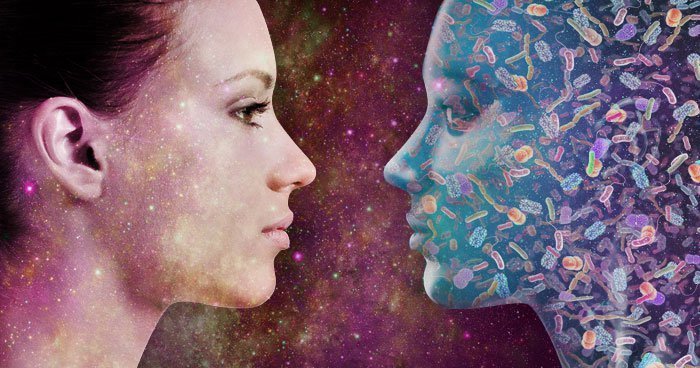
Dr. Justin Sonnenburg makes a powerful argument for viewing our microbiota as the control center for human biology—that our microbiota are not just impacting digestion and absorption, but having systemic impacts on our immune system, our metabolism, and our brain chemistry. We discuss the latest research on the microbiome, the strong connection between low microbiome diversity and modern Western diseases, and how people can support their own microbiome health.

Info

The self you never knew: The human microbiome

microbiome
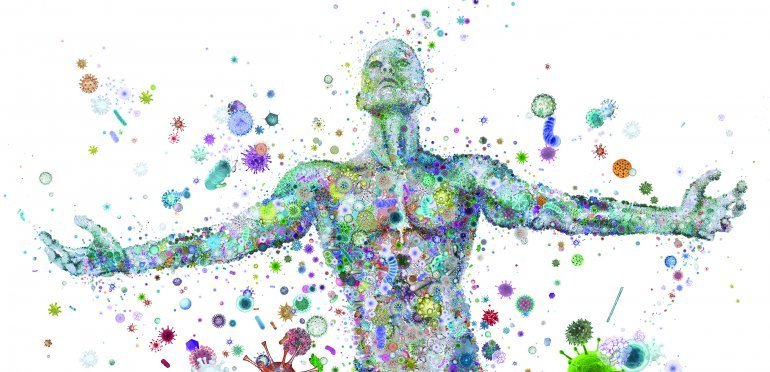
The Living Organisms Sharing Your Body

Can a basic understanding of the Human Microbiome change the way we think of ourselves and provide substantial food for thought as we reflect on who and what we are as a species?

We know that we are made of bones, blood, cells, muscle, etc. and we tend to think that these are what makes us human. However, we often overlook the Human Microbiome. This is a naturally occurring community microorganisms (microbes) in our body - including diverse viruses, fungi, and protozoa - that outnumber human cells almost two to one! While this might sound scary, this thriving community of microbes in our body is working in harmony with our human cells to create life as we know it.
Each region of our body has its own distinct community of microbes living on or in it. - Lita M. Proctor
Thanks to Louis Pasteur, a cornerstone of our modern medicine has been based on the notion of killing germs (i.e. bad microbes). This "war with germs" was born from a history of "battling" bubonic plague, small pox, yellow fever, typhoid, and others, but science is telling us that struggling against germs is not an accurate portrayal of what it means to be healthy.

Comment: Read more about how your microbiome controls your health:


Christmas Tree

Science shows precisely why trees literally help reduce stress

trees
It's no secret: trees are an integral part of how we live on this planet. From their well-known and vital role in the oxygen cycle, and their importance to their ecosystems — they are also central to the human food system. But trees also have other, less obviously integral benefits that manifest in our lives. Sure, without trees it would definitely be harder to breathe — but it might also be harder to just relax.

Their aesthetic value in urban areas aside, there are many reasons to love trees planted in cities. For one, trees reduce stress. According to research, spending time among trees and other vegetation reduces stress while easing brain fatigue. Populations living near trees have a lower amount of cortisol, a stress-related hormone, meaning they experience stress less acutely than people who don't live near trees.

Comment: Tree-mendous health benefit of trees


Dominoes

Connecting the censorship dots: Huffpost, Merck and Vaxxed

vaxxed censored
Six steps to Huff Po blackout heaven

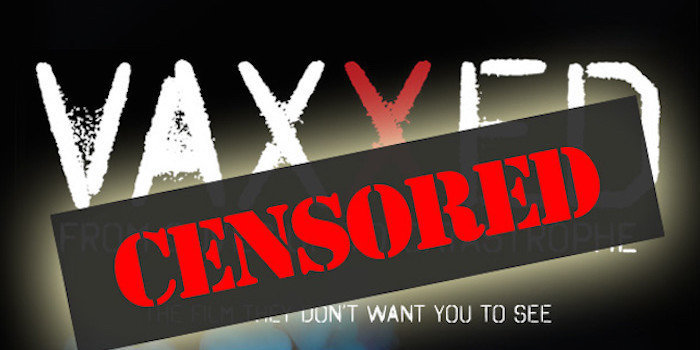
ONE: Recently, long-time blogger/columnist for the Huffington Post, Lance Simmens, wrote an article in which he made positive comments about the film, Vaxxed (trailer).

Simmens didn't state that the MMR vaccine causes autism. He pointed out that Vaxxed is about a CDC whistleblower who admits to giving the MMR a free pass, who admits that he and his colleagues hid data that would have shown a connection between the vaccine and autism.

So Simmens wrote that Vaxxed is an important film, and the issue it raises needs to be investigated.

Laptop

Social media use and depression are clearly linked, says new study

brain on social media
In a world filled to the brim with likes, posts, and status updates, where the average teenage youth spends a whopping 9 hours a day with some form of media, it almost seems as though Facebook and Twitter are becoming a sub-reality of their own. Plug in and tune out could be the mantra of our coming generation, but is that a good thing? New research from the University of Pittsburgh School of Medicine reveals a link between social media and depression amongst young adults.

The study began in 2014, when Dr. Brian Primack and his colleagues used questionnaires to sample 1,787 U.S. adults aged 19 through 32, to determine the association between social media use and depression. It asked the participants about 11 of the most popular social media sites at the time: Facebook, Twitter, YouTube, Instagram, Snapchat, Reddit, Tumblr, Google Plus, Pinterest, Vine, and LinkedIn.

Comment: See also:


SOTT Logo Radio

SOTT Focus: The Health & Wellness Show: The Death of Intimacy: Porn and the Ponerization of Sex

pornography
© yourbrainonporn.com
On this week's episode of the Health and Wellness Show we discussed the rise of pornography that has hijacked the sexuality of our entire culture. What are the psychological, physical and emotional effects of pornography on the personal and societal levels? How does it impact intimacy and relationships with others? How is porn tied to the objectification of women, pedophilia and sex trafficking? The porn problem is epidemic and often hides in plain sight. Our society is saturated in it through advertising, popular music, fashion and social media. Prior to the collapse of great civilizations there was a marked increase in hedonism and debauchery. If history repeats, does this mean our current civilization is on the road to ruin?

Whether you use pornography or not, it affects us all. Listen in for an in-depth discussion of this important topic. And to lighten the mood afterwards, stay tuned for Zoya's Pet Health Segment on proper nutrition for your cat or dog.

Running Time: 01:45:20

Download: MP3


Attention

How pesticides are undermining the health of rural children

children on the pesticide frontline
© panna
A little over 100 years ago, Congress enacted the first U.S. pesticide law. The Insecticide Act of 1910 put labeling guide - lines in place to protect farmers from unscrupulous vendors attempting to sell pesticide products that didn't perform as
advertised.

To this day, we control pesticides through a system of registration and labeling, with a primary goal of getting products to market. The result? Each year, more than 680 million pounds of pesticides are applied to agricultural fields across the country. This 2007 figure — the most recent government estimates available — climbs to more than a billion when common non-agricultural pesticide uses are included.

Comment: The myth of safe pesticides & the negative effects on children
The Negative Effects of Pesticides on Children Are Significant

The body of published, peer-reviewed science showing the wide range of problems caused by pesticides to the fetus and newborn is substantial and compelling. The current testing methodologies use adolescent through to adult animals. This means that they will not detect the adverse health issues that are specific to the unborn and small children.

Despite the fact that many professional experts in this area such as the USPCP, the WHO, and UNEP have been calling for specific toxicological studies that are relevant to the fetus and growing children to determine if the current MRLs and ADIs of pesticides are safe for them, regulatory authorities largely continue to ignore this dangerous oversight. Until these specific tests are done, regulatory authorities are using data-free assumptions that the current pesticides used in food, households, playgrounds, schools, and in the general environment are safe for our unborn and growing children. Regulation should not be based on assumptions but should use independently published, peer-reviewed scientific evidence to prove whether these toxins are safe. Given that our children are our future and most of them are exposed to multiple chemicals, time will prove the regulatory committees' unwillingness to act against pesticides more serious than their decades of inaction over asbestos.


Pills

When prescribing psychiatric drugs to kids becomes reckless endangerment

prescription drugs kids
© cchrint.org
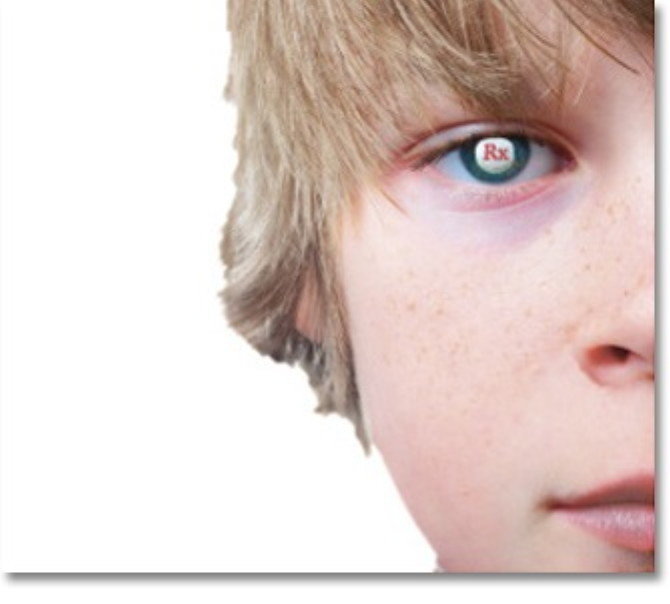
When psychiatrists or doctors prescribe dangerous, potentially life-threatening psychiatric drugs to children without the parent or legal guardian's consent, they should be charged with reckless endangerment and/or child endangerment because these drugs are documented to cause side effects including, but not limited to, suicide, mania, heart problems, stroke, diabetes, death and sudden death.

The fact that Child Protective Service (CPS) or other government funded agencies can charge parents with "Medical Neglect" for refusing to give their child a dangerous and potentially life-threatening psychiatric drug is an oxymoron. There is no "medical" or scientific test in existence to prove any child has a "mental disorder" or "mental illness, so how it is medical neglect to refuse to drug a child, where there is no evidence of "medical abnormality"? Diagnosis is completely and utterly subjective—based solely on a checklist of behaviors. The only medical risk to the child is when they are prescribed psychiatric drugs.

Comment: Additional details about the struggle of Maranne Godboldo to keep her daughter off of harmful antipsychotic medication:
"Five out of five judicial reviews," explained Folmar, "found that Maryanne had the right to defend her home and child. That the prosecution refuses to end this attack is ample proof that she is being persecuted."

In essence the court ruled that Godboldo had the right to defend her child from being forcibly drugged with a potentially lethal psychiatric drug, which carries four drug regulatory agency warnings, citing death as a possible side effect.

"In many ways," says Folmar, "this case really puts psychiatrists and the pharmaceuticals on trial because they tried to do something that they had no right to do. There are a multitude of lawsuits against the pharmaceutical company that makes Risperdal. This is a devastating, harmful drug that should not have been prescribed for this child."


Cheeseburger

Processed foods wreak havoc on your health

SPAM
It's safe to say that most American consumers probably can't recall the last time they ate a meal prepared entirely from wholesome, farm-to-table ingredients, without any canned or prepackaged products. That's because most Americans today consume mostly processed foods—foods produced with pesticides, GMOs and synthetic chemicals, routinely laced with too much sugar, salt and unhealthy fats.

In fact, processed foods make up as much as 70 percent of people's diets - meaning only 30 percent of what they consume consists of wholesome, natural, or organic foods!

But here's the truth about processed foods: Long-term consumption of these "food products" spell bad news for your health.

Comment: Eat your way to an early death: Processed foods hurt your immune system and gut health


Butterfly

The medicinal uses and benefits of eucalyptus oil

eucalyptus oil
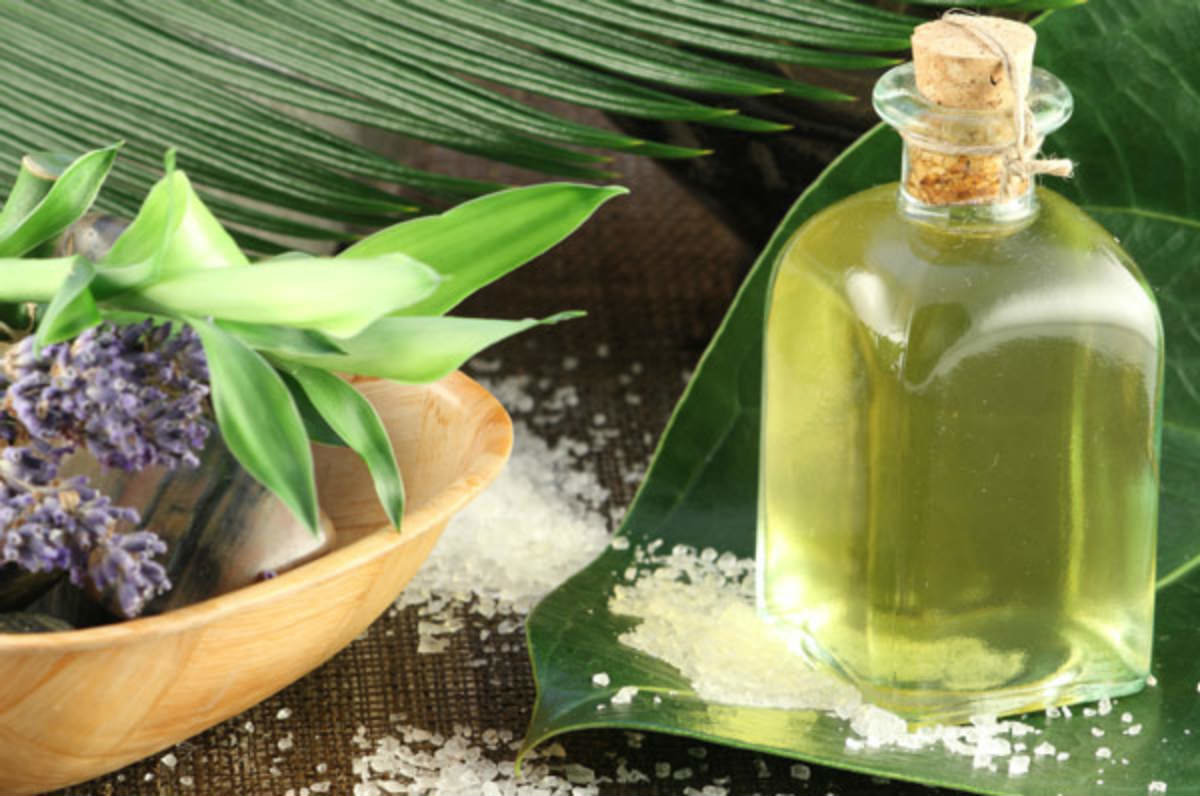
Eucalyptus oil is a pure essential oil that has practical and industrial uses, as well as healing properties. It comes from a fast-growing evergreen tree native to Australia, with global eucalyptus oil production mainly from Eucalyptus globulus or "Blue Gum."

Learn more about this essential oil - and how it can benefit your health and well-being.

What Is Eucalyptus Oil?

Eucalyptus oil is the distilled oil that comes from the dried leaves of eucalyptus - a colorless liquid with a strong woody and sweet smell. There are more than 700 different species of eucalyptus in the world, of which at least 500 produce a type of essential oil.

EucalyptusOil.com lists some of the common types of eucalyptus oil:1

1. Eucalyptus polybractea - This is commonly known as "Blue Mallee," a small mallee type tree. The crude or single-distilled oil is high in cineole (a colorless, liquid terpene ether with a camphor-like odor and is found in essential oils) and usually assays between 80 and 88 percent.

2. Eucalyptus globulus - This is the species that has received the most attention from botanists and chemists, and its oil is best known and most used of all eucalyptus oils. It's cineole is between 60 and 70 percent.

Since the properties of the crude oil usually do not meet the requirements of most pharmacopoeias, the oil has to be treated to increase the cineole content.

3. Eucalyptus radiata - Commonly known as "narrow-leaved peppermint," this is a medium-sized tree with fibrous bark. The crude oil has a cineole content of 65 to 70 percent and has a very refreshing aroma.

4. Eucalyptus citriodora - Referred to as the "lemon-scented gum," this large tree has gone through a name change and is now called Corymbia. The principal constituent of the oil is citronellal, and the oil is used for industrial and perfume purposes.

Australian aboriginals2 use oil-containing eucalyptus leaf infusions as a traditional medication for body pains, fever, sinus congestions, and colds.

As early as the 1880s, surgeons were already using eucalyptus oil as an antiseptic during operations.3 Toward the end of the century, the oil was used in most hospitals in England to clean urinary catheters.4

In 1948, the United States also officially registered eucalyptus oil as an insecticide and miticide (one that kills mites and ticks).