Health & WellnessS


Fish

Omega-3 lowers childhood aggression in short term, Penn research shows

gel capsules
© unknown
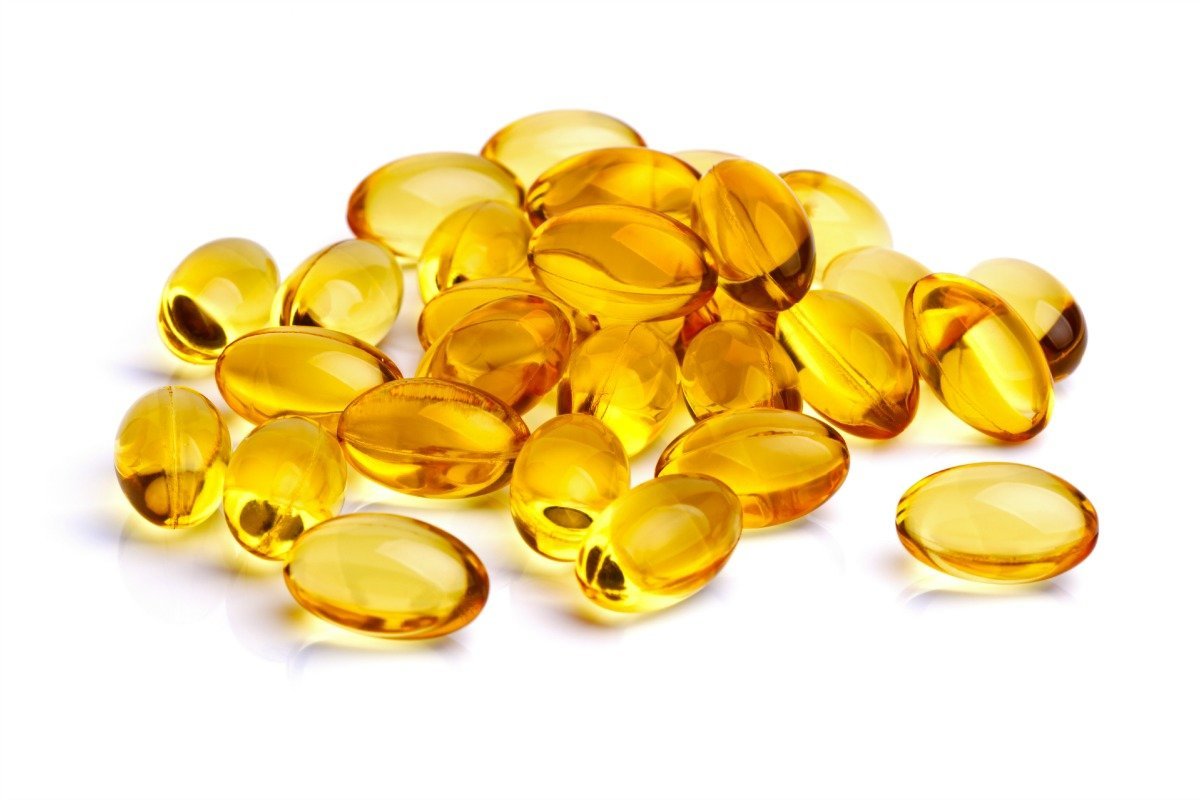
Incorporating omega-3, vitamins and mineral supplements into the diets of children with extreme aggression can reduce this problem behavior in the short term, especially its more impulsive, emotional form, according to University of Pennsylvania researchers who published their findings in the Journal of Child Psychology and Psychiatry.

Adrian Raine, the Richard Perry University Professor of Criminology, Psychology and Psychiatry, has spent his career looking at how the brain's biological functioning affects antisocial behavior. He focuses specifically on understanding these actions and learning how to modify them, whether with something benign like a child acting out or with something extreme, in the case of a homicidal killer.

"How do you change the brain to make people better?" he asked. "How can we improve brain functioning to improve behavior?"

These questions formed the foundation for work Raine had previously done with adolescents on the African island of Mauritius. In a randomized control trial, one group received omega-3 supplements for six months, the other didn't. Those taking the fish oil saw a reduction in aggressive and antisocial behavior.

Comment: For more information on the neurological benefits of omega 3's, see:


Snakes in Suits

Working in an unfair company can take its toll on your health

angry worker, workplace injustice
© Istock
Whether you view the company where you work as a fair, just organization affects more than just your happiness in the office. According to a new study published in the Scandinavian Journal of Work, Environment and Health, it can also impact how healthy you feel.

Researchers from the University of East Anglia in the UK and Stockholm University analyzed 5800 people surveyed as part of the Swedish Longitudinal Survey of Health (the wonderfully acronymed SLOSH), comparing their perception of "procedural justice" in the workplace to their self-reported health scores. The survey asked if decisions in their workplace were made in a way that felt "accurate, correctable, consistently applied," and whether the opinions of people affected by decisions were included in the decision-making process.

While a survey can't determine whether people's office environments were actually fair or unfair, or if their health was really as good as they said it was, perceived justice was linked to feeling healthier. The survey was conducted every two years, and the researchers compared people's responses to their own responses in prior years, finding that if procedural justice scores declined over time, so did health scores.

Comment: A company that is perceived by its employees as being unjust creates a culture of uncertainty and stress that is almost certain to eventually lead to the breakdown of their mental and physical health. Psychopathic individuals in the workplace are often the creators of such toxic cultures and they leave a trail of destruction in their wake.


Beaker

'The dose makes the poison': Rethinking traditional toxicity testing

dose makes the poison

Traditional toxicology relies on archaic methods that focus on the short term while ignoring the long term effects of repeated small doses over time.


At some point we have all heard the argument "the dose makes the poison" in support of the safety of including small amounts of dangerous ingredients such as formaldehyde, phenol, sodium borate, aluminum, etc., in vaccines, but it is not that simple.

Research on the safety of vaccine ingredients, for example, largely ignores contemporary toxicological perspectives on the long-term effects of repeated periodic exposures to low concentrations of dangerous substances. Understanding the basics of chemical-safety testing methods is the first step to understanding how the toxicity of a substance is measured.

Clock

Cultural pressures can override your biological sleep clock

sleep
© Quiet noise creative/Getty Images
Our biological clocks may not dictate our bedtimes, but they do influence when we wake up in the morning, a new study finds.

Cultural pressures and daily responsibilities may override our biological clocks and dictate when we go to sleep, according to the study, published May 6 in the journal Science Advances.

However, people's wake-up times are still highly dependent on their biological clocks, as opposed to just on their morning responsibilities, such as going to work or school, the researchers said.

Comment: How much can an extra hour's sleep change you?
What they discovered is that when the volunteers cut back from seven-and-a-half to six-and-a-half hours' sleep a night, genes that are associated with processes like inflammation, immune response and response to stress became more active. The team also saw increases in the activity of genes associated with diabetes and risk of cancer. The reverse happened when the volunteers added an hour of sleep.

So the clear message from this experiment was that if you are getting less than seven hours' sleep a night and can alter your sleep habits, even just a little bit, it could make you healthier. "Have a lie-in, it will do you good" - that's the kind of health message that doesn't come along very often.


Arrow Down

Lethal and unnecessary HPV vaccine linked to another young girl's death

gardasil
A teenage girl died hours after being sent home from hospital diagnosed with a stomach bug.

Shazel Zaman, 13, received a cervical cancer jab five days earlier after which she started vomiting and suffering from dizziness and a severe headache. As her symptoms got worse she was taken to Bury's Fairfield Hospital.

Doctors told the teenager's family that they believed she might have a stomach bug and told them to bring her back to hospital if her condition worsened, the Manchester Evening News reported. An hour later she was found unconscious with no pulse at her home in Bury. She was declared dead in hospital around four hours later.

Shazel's family claims that a doctor dismissed that her condition was linked to the HPV vaccine jab and said she "came across as a lazy child" before sending her home. Pennine Acute NHS Trust, which runs the hospital, has now launched an investigation into the standard of care Shazel received at the hospital.

Shazel's family believe her death is linked directly to her having the vaccine.

Her sister, Maham Hussain, 19, told the Manchester Evening News: "She had the injection on the Wednesday. On Friday she was complaining of a sore arm - no swelling just redness.

"On the Saturday she complained of a severe headache, and by the evening she was throwing up. Come Sunday she was very pale, and my aunt took her to Fairfield.

Comment: Here is what Dr. Bernard Dalbergue, a former pharmaceutical industry physician with Gardasil manufacturer Merck said about Gardasil:
"The full extent of the Gardasil scandal needs to be assessed: everyone knew when this vaccine was released on the American market that it would prove to be worthless. Diane Harper, a major opinion leader in the United States, was one of the first to blow the whistle, pointing out the fraud and scam of it all. I predict that Gardasil will become the greatest medical scandal of all time because at some point in time, the evidence will add up to prove that this vaccine, technical and scientific feat that it may be, has absolutely no effect on cervical cancer and that all the very many adverse effects which destroy lives and even kill, serve no other purpose than to generate profit for the manufacturers. Gardasil is useless and costs a fortune! In addition, decision-makers at all levels are aware of it! Cases of Guillain-Barré syndrome, paralysis of the lower limbs, vaccine-induced MS and vaccine-induced encephalitis can be found, whatever the vaccine."
See also:


Pills

Anti-psychotic drugs and children: Mom faces SWAT team to save her daughter from the ravages of Risperdal

Maryanne Godboldo
Suicide, birth defects, heart problems, hostility, violence, aggression, hallucinations, self-harm, delusional thinking, homicidal ideation, and death are just a few of the side effects caused by psychiatric medication.

There have been 150 studies in seventeen countries on antidepressant-induced side effects. There have been 134 drug regulatory agency warnings from eleven countries and the EU warning about the dangerous side effects of antidepressants.

Despite this deadly laundry list of potential reactions to these medications, the use of antidepressants and antipsychotics has skyrocketed by 400% since 1988.

Currently, 11 percent of all Americans 12 years of age and over take antidepressant medication, this is a higher rate than all other countries in the world.

Comment: The outrageous incompetence required of M.D.s in prescribing these deadly drugs to children is mind-blowing.


Health

Sulfur: A forgotten mineral that plays a critical role in detoxification

sulfur rich foods
Sulfur may be referred to as a somewhat "forgotten" mineral that you don't hear mentioned very often, but it's very important for optimal body function. Scientists are now saying it's possible you're not getting enough sulfur in your diet, in spite of the fact that it's found in so many foods.

Some of the most excellent sources are high-protein foods such as organic, pastured eggs, grass-fed meats, nuts and wild-caught Alaskan salmon, and it's also found in leafy greens like kale, spinach and broccoli, as well as in onions and garlic. Why is sulfur important? Weston A. Price noted:1
"Sulfur is known as a healing mineral, and a sulfur deficiency often leads to pain and inflammation associated with various muscle and skeletal disorders.
Sulfur plays a role in many biological processes, one of which is metabolism. It is present in insulin, the essential hormone that promotes the utilization of sugar derived from carbohydrates for fuel in muscle and fat cells."
Sulfur: the Third Most Abundant Mineral in Your Body

Six chemical elements — oxygen, carbon, hydrogen, nitrogen, calcium and phosphorus — make up 99 percent of your body mass. The next five — potassium, sulfur, sodium, chlorine, and magnesium — kick in that last 1 percent in slightly varying degrees.

But while sulfur seems to be relatively inconsequential in this list, the fact is it's the third most abundant mineral in your body. One of its most vibrant functions is as an antioxidant.

Sulfur is present in all living tissues. It's a component in two important amino acids: methionine (mainly from egg whites and fish), which is essential, meaning your body doesn't synthesize and must be obtained from an outside source, and cysteine, which needs sulfur at a steady rate and is synthesized by your body.

Your skin, muscles and bones contain about half the sulfur in your body. Your hair and nails, made of the sturdy protein keratin, contain a large share of sulfur, while your cartilage and connective tissues are a more flexible form, which changes and breaks down over time, leading to recognizable signs of aging.

Some of these indicators include wrinkles, sore muscles and joint pain, which may be an indication of a sulfur deficiency.

Comment: See also: Sulfur: A crucial nutrient for health


Health

Pig-in-a-poke: Big Pharma's medicine crisis

medical testing
"This has been one of the great mistakes of modern medicine." ... David Kessler, MD, former FDA Commissioner

Former FDA Commissioner David Kessler, MD, (1990-1997) is talking about the current opioid drug addiction and abuse by medical doctors and pharmaceutical companies who promote them. Over the last two decades, there has been an overwhelming demand for, plus supply of, opioid drugs that now has turned into more health problems than anyone probably expected—most of all, prescribing medical doctors, who apparently are led to have 'full faith and confidence' in pharmaceutical drugs.

Can we blame doctors alone for such a religious-belief-like trust? No! Big Pharma companies constantly court the medical professions offering samples and monetary perks [10,11] for doctors prescribing all sorts of licensed prescription drugs, often without proper medical protocols regarding patients' health needs.

Comment: See also:


Sun

Heliotherapy: The sun - full spectrum medicine

Sun shine
"Those that have attempted to convince the world that the Sun, the Earth's primary source of energy and life causes cancer, have done so with malicious intent to deceive the masses into retreating from the one thing that can prevent disease." - Dave Mihalovic, Naturopathic Doctor
and writer. [1]

Truth is, we've been systematically lied to about the sun and skin cancer for years. This video presentation explains fully. How many know that there is no definitive proof that the sun alone causes skin cancer? [2]

Comment: Additional information about the health benefits of sun exposure:


Beaker

One macromolecule to rule them all: IBM creates a molecule that could destroy all viruses

influenza virus
© DC/ Dr. Erskine. L. Palmer; Dr. M. L. Martin via Flickr
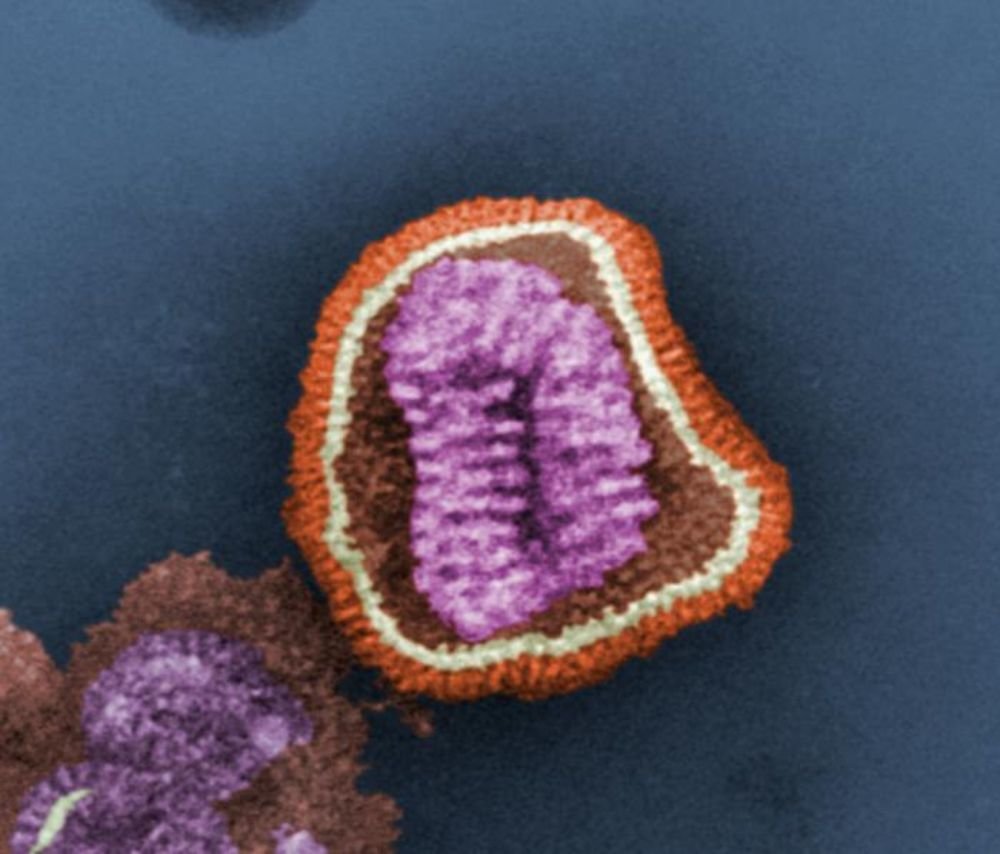
Finding a cure for viruses like Ebola, Zika, or even the flu is a challenging task. Viruses are vastly different from one another, and even the same strain of a virus can mutate and change--that's why doctors give out a different flu vaccine each year. But a group of researchers at IBM and the Institute of Bioengineering and Nanotechnology in Singapore sought to understand what makes all viruses alike. Using that knowledge, they've come up with a macromolecule that may have the potential to treat multiple types of viruses and prevent them from infecting us. The work was published recently in the journal Macromolecules.

For their study, the researchers ignored the viruses' RNA and DNA, which could be key areas to target, but because they change from virus to virus and also mutate, it's very difficult to target them successfully.

Instead, the researchers focused on glycoproteins, which sit on the outside of all viruses and attach to cells in the body, allowing the viruses to do their dirty work by infecting cells and making us sick. Using that knowledge, the researchers created a macromolecule, which is basically one giant molecule made of smaller subunits. This macromolecule has key factors that are crucial in fighting viruses. First, it's able to attract viruses towards itself using electrostatic charges. Once the virus is close, the macromolecule attaches to the virus and makes the virus unable to attach to healthy cells. Then it neutralizes the virus' acidity levels, which makes it less able to replicate.