Health & WellnessS


Attention

Antibiotic-resistant 'superbug' reaches the US for the first time

bacteria
An antibiotic-resistant superbug has reached the US, sparking fears of a possible "end of the road" for antibiotics. The deadly bacteria has taken root in Pennsylvania, where a woman was tested positive for it.

In was found in April in a 49-year old woman, who arrived at a hospital in Pennsylvania, showing symptoms of an urinary tract infection, according to a study published in Antimicrobial Agents and Chemotherapy, a publication of the American Society for Microbiology.

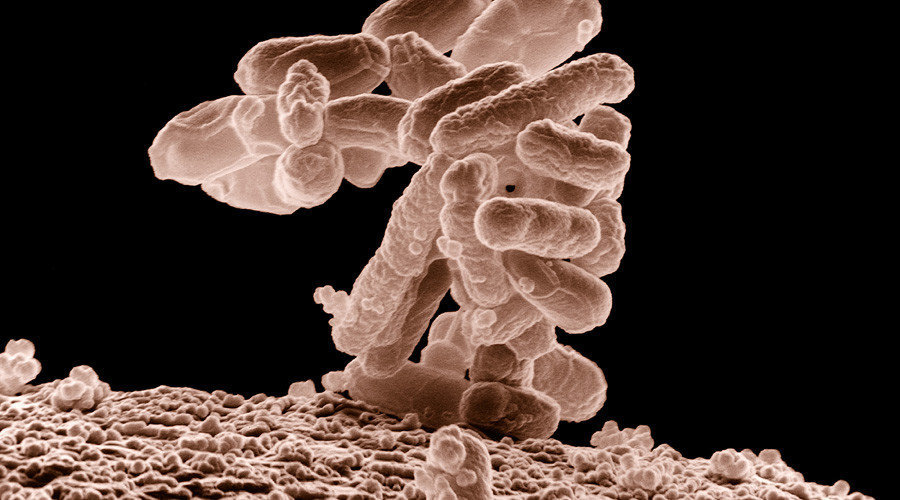
Defense Department researchers determined that the woman carried a strain of E. coli, which was first found in the UK in 2008. However, this superbug is quite unique because its genetic changes make it resistant to the antibiotic called colistin. Due to colistin's side effects it has been known as a last resort against multi-drug-resistant strains of bacteria, including the "nightmare bacteria" carbapenem-resistant enterobacteriaceae, or CRE.

Comment: SOTT has been documenting the growing concerns over antibiotic resistant 'Superbugs' for years! Read the following article published back in 2011:
Drug-resistant bacteria - "superbugs" - are becoming a global crisis. But the government not only thwarts the development of new antibiotic drugs. It also willfully ignores powerful natural therapies and cures. Last August, the UN's World Health Organization issued a global alert on the dangers of drug-resistant bacteria: "Some bacteria have developed mechanisms which render them resistant to many of the antibiotics normally used for their treatment, so pose particular difficulties, as there may be few or no alternative options for therapy." Germs resistant to one or more drugs kill 100,000 US hospital patients a year and cost the healthcare system more than $34 billion, according to the Infectious Disease Society of America. This could easily rise to the millions worldwide as major bacterial pandemics emerge.


SOTT Logo Radio

SOTT Focus: The Health & Wellness Show: Sleep, Light and Circadian Rhythms

sleep, circadian rhythm
Today the Health and Wellness Show discussed the topic of sleep and the circadian rhythm or inner body clock. This quiet pulse is inside of us all, guiding our cycle from sleep to wakefulness and back to sleep again. From jet lag to shift work to inadequate or inappropriate light exposure, disrupting the circadian rhythm can have short and long term effects on mood, memory, learning, immune response and more.

Listen in as we discuss ways to optimize your sleep naturally and reap the benefits of a good night's snooze. Zoya's Pet Health Segment gave us the scoop on circadian rhythms in furry creatures.

Running Time: 01:35:55

Download: MP3


Life Preserver

Treating anxiety & depression through the mind & body - not medicine

nature
As a practicing psychiatrist, people assume I dole out prescriptions for mood and mind -related disorders all day long, especially given the fact that one in four women in their forties and fifties use psychiatric drugs and 30 million Americans take antidepressants. But I don't. I take a decidedly different approach.

We think (because our doctors think) that we need to "cure" the brain, but in reality we need to look at the whole body's ecosystem: intestinal health, hormonal interactions, the immune system and autoimmune disorders, blood sugar balance, and toxicant exposure. In 2014 Scottish researchers addressed the gap between what the science says about the causes of depression and what patients experience when they find themselves caught in the default web of psychiatric care. In their paper they highlight the value of what I aim to practice: psychoneuroimmunology.

Comment: Additional information about Psychoneuroimmunology: How your mental health is affected by inflammation


Dollars

U.S. Congress used Zika threat to pass law which would contaminate waterways with more lethal pesticides

pesticides Zika virus
What’s the real cause of the microcephaly cases? Zika, or lack of basic sanitation, plus environmental poisons like the insecticide pyriproxyfen?
The Republican-controlled U.S. House on Tuesday passed legislation—newly rebranded with the word "Zika" in it—that Democrats say is in fact not at all about the addressing the threat of the virus but making it easier for pesticides to contaminate the nation's waterways.

Previously called the "Reducing Regulatory Burdens Act," the "Zika Vector Control Act" passed the House 258-156.

According to House Democratic Whip Steny H. Hoyer (Md), H.R. 897 "is nothing but a Trojan horse, with practically nothing to do with Zika."

It was sponsored by Rep. Bob Gibbs (R-Ohio), who, as Cleveland.com reported last week, "For years [...] has tried to get Congress to change permitting requirements for pesticides sprayed near water."

The Obama administration issued a statement earlier this week saying (pdf) that it "strongly opposes" the legislation, as it "would weaken environmental protections under the Clean Water Act." Indeed, the Act's summary states that it
establishes exemptions for the following discharges containing a pesticide or pesticide residue: (1) a discharge resulting from the application of a pesticide in violation of FIFRA that is relevant to protecting water quality, if the discharge would not have occurred but for the violation or the amount of pesticide or pesticide residue contained in the discharge is greater than would have occurred without the violation; (2) stormwater discharges regulated under the National Pollutant Discharge Elimination System (NPDES); and (3) discharges regulated under NPDES of manufacturing or industrial effluent or treatment works effluent and discharges incidental to the normal operation of a vessel, including a discharge resulting from operations concerning ballast water held in ships to increase stability or vessel biofouling prevention.
Gibbs, The Hill notes, "said it would help to eliminate a 'duplicative and unnecessary permitting regulation' that has made it more difficult for some local governments to spread for mosquitoes."

Journalist and documentary filmmaker Leighton Woodhouse, for his part, referred to the bill as "Straight up #disastercapitalism."

Comment: Contaminating our water supplies with even more toxic pesticides to combat a 'threat' that has been linked to widespread use of pesticides is insane:
Zika: Different virus, same fear campaign

Much of the focus around the "Zika virus" has centered around presumed cases in Brazil, but there is never any mention of all the contaminated water supplies, fumigation with lethal poisons, sanitation deficiencies and widespread use of pesticides banned in most of the world. In a report by the Physicians in the Crop-Sprayed Towns (PCST), the group provided clear evidence that the area in which most of the infected persons were recorded, had been sprayed with a larvicide known to cause birth defects.
Pesticide induced diseases include: Alzheimer's, Parkinson's, asthma, birth defects, cancer and diabetes among many others. These toxins are particularly damaging to children leading to childhood cancers, nervous system damage, impaired brain development and can cause multiple diseases that are passed on to future generations.


Bacon

Another report makes it clear: If you want to get thin, stop avoiding fat

Lard
Turns out, low fat ain't where it's at. This is not breaking news, people. Michael Pollan has been leading the crusade against skim milk since the publication of In Defense of Food eight years ago. And yet, we as consumers haven't quite caught on. Part of our slow learning curve is due to the fact that government issued food recommendations are late to change. Maybe, just maybe, if there's one more study, or perhaps a report with some guidelines...

Well, here we go: A new report out from the U.K.'s Public Health Collaboration and the National Obesity Forum is calling for people to quit worrying about saturated fat and focus on the "consumption of food in its natural form." The only problem is that it's also being labeled "irresponsible" by public health officials.

Comment: Eating low fat foods is dangerous for your health, eating full fat foods lowers the chance of obesity
Professor Simon Capewell, from the Faculty of Public Health, said: "We fully support Public Health England's new guidance on a healthy diet. Their advice reflects evidence-based science that we can all trust. It was not influenced by industry.


Ambulance

Research suggests cannabis use may be hidden risk in cardiovascular problems

Cannibis leaf
A healthy 21-year-old man had a heart attack after smoking marijuana, and the doctors who treated him believe the drug is what caused his heart attack, according to a new report of this case.

In fact, experts say that there have been other cases of cardiovascular problems related to smoking pot, and that growing evidence suggests there may be a link between the drug and heart problems.

The young man at the center of the new case was a regular marijuana and cigarette smoker, according to the case report. He arrived at the emergency department in Wales and said that he had a sharp pain on the left side of his chest that had lasted for 30 minutes. He said the pain started after he played soccer.

A month prior to this, the man had come to the same department with similar symptoms, also after a game of soccer. However, at that time the doctors at the University Hospital of Wales, in Cardiff, thought the pain was caused by an injury to a muscle.

But this time around, the doctors found that the man's cholesterol and triglyceride levels were higher than they should have been, according to the report published in the September issue of The Journal of Emergency Medicine.

"Although our patient was a cigarette smoker and had elevated lipid levels, cannabis use was identified as the most significant precipitant of his acute coronary syndrome," (ACS) the researchers wrote in the study. (Acute coronary syndrome is a term used to describe symptoms related to the obstruction of the coronary arteries, which feed the heart muscle itself, which may occur as a result of a heart attack.)

Comment: Cannabis increases the noise in your brain


Attention

Amalgam fillings release mercury vapor into your body continuously

Mercury amalgam fillings
Research at the University of Calgary, Faculty of Medicine and other prominent medical schools, have demonstrated that mercury vapor continuously escapes from dental amalgams and 80 percent of this vapor is immediately absorbed through the lungs and into the bloodstream. Once in the blood, mercury vapor enters into the cells almost immediately.

Mercury vapor from dental amalgam fillings is the primary source of mercury contamination. 80 percent of adults, specifically baby boomers, currently have amalgam fillings that will release from 4 to 40 micrograms of mercury vapor per day, depending on factors such as the number of fillings, filling size, teeth grinding and the presence of other metals in the mouth.

Comment: See also: Poor oral hygiene increases risk of disease


Rainbow

Your brain works best if it gets to 'chill out'

brain rest
© Unsplash
Your brain never stops. You're always thinking about what's next, how to get it done and how to start chipping away at that ever growing to-do list. You're always "on" and if you're a productive member of modern society, that's expected. You know you want to sit down and rest. You can feel your brain begging for it, but rest is for the weak, there are empires to build! Fortunately, thanks to modern studies, we now know that your brain might be trying to tell you something. "CHILL."

Although we may not see resting, relaxing, and daydreaming as essential to productivity, having downtime and an active social life can boost our brain health.

"Optimize brain health by balancing social life with downtime," says Dr. David Agus, physician and bestselling author of The Lucky Years: How to Thrive in the Brave New World of Health.

Comment: Quiet is crucial to your health: The dangers of noise pollution


Health

Triclosan is everywhere: Antibacterial in freshwater streams is making its way into our food supply

triclosan
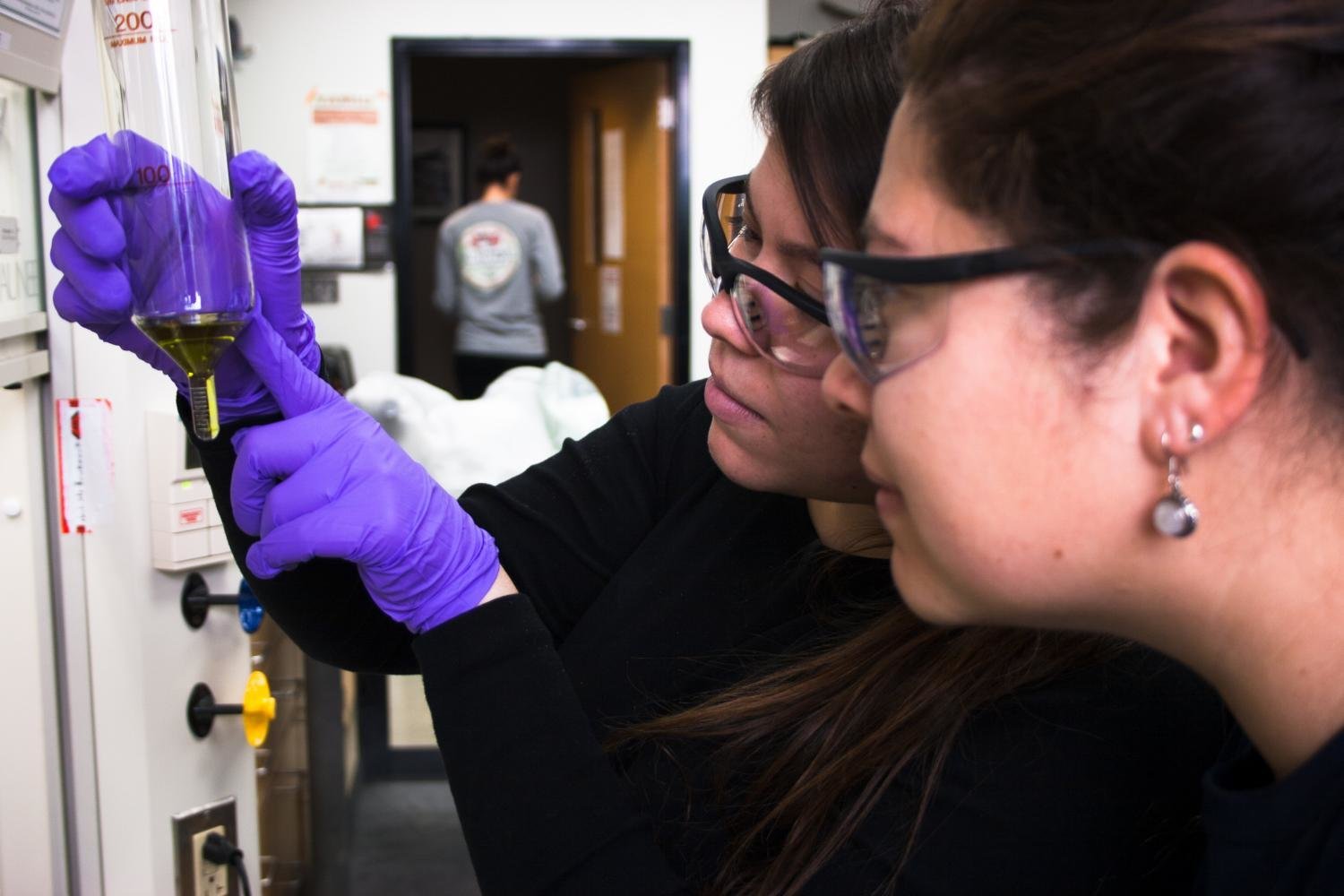
© Monica Mendez.Students Karen Vallejo (background) and Ashley Garcia (foreground) examine triclosan extracts from plant tissues.
Most U.S. homes are full of familiar household products with an ingredient that fights bacteria: triclosan. Triclosan seems to be everywhere. When we wash our hands, brush our teeth, or do our laundry, we are likely putting triclosan into our water sources.

Triclosan is in antibacterial soaps, detergents, carpets, paints, toys, and toothpaste. These products can feel comforting to germ-wary consumers. However, these products are only slightly better at removing bacteria than regular soap and water. And in antibacterial soaps, triclosan may not add any benefit to removing bacteria compared to regular soap and water.

The problem with triclosan is that it kills both good and bad bacteria. Studies also show that it contributes to medically necessary antibiotics becoming less effective. Triclosan is also toxic to algae and disrupts hormones in animals. This can hamper normal animal development. The FDA is currently investigating its impact on humans.

Most of the triclosan is removed in waste water treatment plants. However, a U.S. Geological Survey found the antibacterial in nearly 58% of freshwater streams.

"What you use has an impact even though you're probably not thinking about it," says Monica Mendez. Mendez is an associate professor in the Department of Biology and Chemistry at Texas A&M International University. She is interested in triclosan-contaminated streams and rivers. These streams often serve as the water source for crops.

Comment: Triclosan really is everywhere. Studies have found this toxin in the urine of 74% of people tested, and have also found it in breast milk because it's easily absorbed into the skin and bloodstream. It disrupts the endocrine system, impairs muscle function and promotes liver tumors. There is really no benefit from using antibacterials as there is no evidence that they are any more effective at preventing illness than washing with plain soap and water.


Red Flag

Dr. Nicole Brown: Childhood trauma could be mistaken for ADHD

childhood trauma
© shutterstock
Some experts say the normal effects of severe adversity may be misdiagnosed as ADHD.

Dr. Nicole Brown's quest to understand her misbehaving pediatric patients began with a hunch.

Brown was completing her residency at Johns Hopkins Hospital in Baltimore, when she realized that many of her low-income patients had been diagnosed with attention deficit/hyperactivity disorder (ADHD).

Comment: Dr. Nicole Brown: "I began hypothesizing that perhaps a lot of what we were seeing was more externalizing behavior as a result of family dysfunction or other traumatic experience."
If a baby is repeatedly scared and emotionally overwhelmed and they do not get their survival brain soothed, so they can cope, they begin to develop a brain and bodily system which is on hyper alert and the World seems to be a scary place. Sadly, this is not something they can 'just grow out of'. Far from it as what neuroscience is showing us from all the recent findings. An early experience has a profound effect on the way in which a child's brain forms and operates as the survival brain is on over drive and senses threat everywhere so works too hard, too often, for too long.