Health & WellnessS


Flashlight

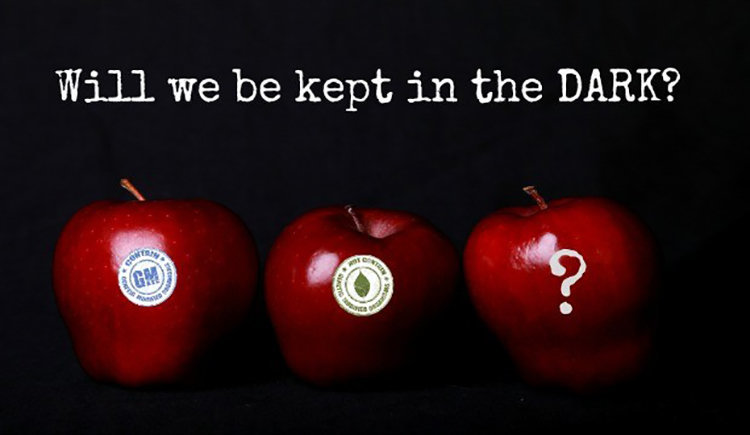
Senate agrees on yet another "DARK Act" GMO labeling bill

Dark Act

The U.S. Senate has announced a bipartisan deal which will prevent states from labeling genetically modified foods in favor of a federal labeling system. Here's what you need to know...


On Thursday, the U.S. Senate Committee on Agriculture, Nutrition, and Forestry agreed on a new bill aimed at labeling foods with genetically modified ingredients. The committee has been trying for several months to get a bill passed before Vermont's labeling law goes into effect on July 1.

U.S. Senate Agriculture Committee Chairman Pat Roberts and Ranking Member Debbie Stabenow released a statement, calling the bill "an important path forward that represents a true compromise. Since time is of the essence, we urge our colleagues to move swiftly to support this bill." Roberts said if his colleagues do not act on the bill now Vermont's law will cause confusion in the marketplace. The bill would give the U.S. Department of Agriculture two years to write the labeling rules.


Comment: The GMO labeling debate has been ongoing for years! Big food/Big Ag wants to keep consumers in the dark. Below is a list of previous DARK ACT bills:


Arrow Up

Japanese government continues to ban the MMR vaccine

Japanese parents
For many years, controversy has surrounded the three-in-one vaccine against measles, mumps, and rubella. Most notably, the MMR vaccine is infamous for its disputed connection to autism, and despite the fact that it has been blamed in vaccine courts for causing autism, vaccine supporters still deny its fault in skyrocketing rates of autism spectrum disorder, which is at least one in 68 children, with even higher rates of diagnosis among boys. [1, 2]

However, the vaccine has other serious risks in addition to the relationship it has with unmanageable numbers of autism in children, which has led to a ban of this vaccine in one industrialized nation.

The Japanese government banned the measles, mumps, and rubella vaccine from its vaccination program in 1993, after a record number of children developed adverse reactions, including meningitis, loss of limbs, and death. [3]

Comment: Japanese health experts are obviously more informed about the safety issues surrounding vaccines! Health officials actually respecting parental rights and informed consent? What an original concept:
Japanese officials have made decisions that value the health and safety of their citizens when they have removed vaccines with dangerous side effects from their national vaccination program.


Bell

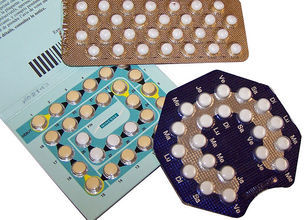
Flashback The dark side of birth control: The pill still has many adverse affects glossed over by Big Pharma

Image
© Ceridwen
As we get ready, in 2010, to celebrate the 50th anniversary of hormonal contraception in the United States, women have every right to stand up and cheer for a birth control option that has revolutionized how effective a contraceptive can be. "The Pill" and its descendants have indeed provided women with a unique tool that has changed the terms in which women control their social and professional choices.

Amidst all the applause, though, let us not oversimplify the history of a drug that has often coupled danger with opportunity, and indeed reinforced some serious inequities even as it promised to enhance women's rights. Today, 50 years later, ovulation suppression through hormonal drugs still harbors many adverse effects, which range from mood swings and diminished libido, to fatalities from blood clots. The innovation itself emerged at the cost of experimentation on poor women, and came, in part, out of a desire to control the fertility of poor populations.

SOTT Logo Radio

SOTT Focus: The Health & Wellness Show: ‌Get the lead out: Detoxifying heavy metals

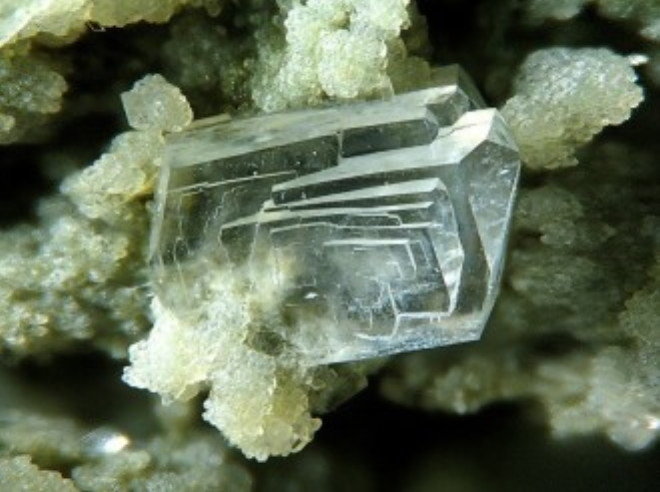
zeolite
Nuclear testing, dental fillings, vaccines, anti-perspirants, beauty products and environmental pollutants are just a few of the sources of heavy metal contamination in our modern world. Heavy metal contamination has been linked to numerous mental and physical health problems yet the need for periodic detoxification is maligned by mainstream medicine and deemed unnecessary.

Today on the Health and Wellness Show we covered heavy metal toxicity, its causes, effects and how to detox naturally and safely. Stay tuned at the end of the show for Zoya's Pet Health Segment!

(Note: Due to technical difficulties, the audio cut in and out for the first 10 minutes or so of the show.)

Running Time: 01:29:26

Download: MP3


Top Secret

If Big Food has its way Carrageenan will remain in organic food

Carrageenan
© truthstreammedia.comWhy Is Gut-Wrecking Carrageenan in So Many Organic Food Products?
Removal of Carcinogenic Substance Uncertain Due to Industry Lobbying

The FDA is responsible for ensuring the safety of more than 9,000 food additives used in conventional foods, a number that former Deputy Commissioner Taylor admits is beyond their capacity.

Evaluating the continued use of food additives in organic food, however, is the responsibility of the National Organic Standards Board (NOSB), which sets a much higher bar according to the regulations set forth in the Organic Foods Production Act (OFPA). This year, assessing the safety of carrageenan for continued use in organic foods is on the NOSB's agenda. Carrageenan is commonly found in dairy products, deli meats, salad dressings, toothpaste, pet food, and vegan products.

Comment: Why is a known toxic substance allowed in organic foods?


Arrow Down

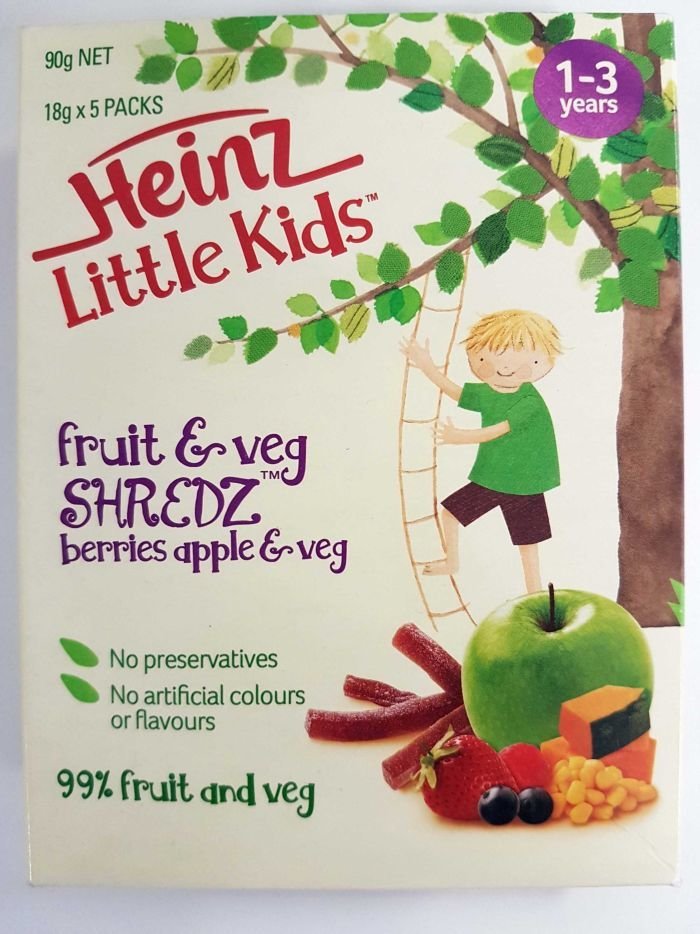
Heinz being investigated for marketing sugar snacks to kids with deceptive 'healthy' labels

Heinz little kids
© ACCC

The ACCC will allege the Heinz packaging is misleading the public.
An infant food that claimed to be almost entirely fruit and vegetables has come under attack for being mostly sugar.

The Australian Competition and Consumer Commission (ACCC) is taking food giant Heinz to court over its Little Kids Shredz products.

The products' packaging is covered in images of fresh fruit and vegetables and statements such as "99 per cent fruit and veg", when they contain more than 60 per cent sugar.

By contrast an apple is 10 per cent sugar.

The ACCC will allege in the Federal Court that Heinz broke consumer laws by making false and misleading claims and misleading the public.

Comment: Another reason to read the fine print on labels and to do more research before buying packaged foods (or even better, simply avoid them). You simply cannot trust food manufacturers to be forthcoming about the ingredients in their products.


Better Earth

Sustainable agriculture: Organic farming could feed the world

Organic farming in Thailand
© Unknown
A new report argues against critics who claim industrial agriculture is the only way to meet the nutritional needs of a growing population.

When it comes to organic farming, many in the agricultural industry are on board in theory, if not in practice. And that's largely because of lowcrop yields.

For many years, the prevailing perception has been that organic farming — which avoids synthetic pesticides or fertilizers, antibiotics and GMOs, and aims to preserve natural resources and biodiversity — cannot produce the sort of yields needed to provide food for the world's population.


Comment: Debunking the myth: 'We need GMOs to feed the world'

An editorial in New Scientist stated that low-tech sustainable agriculture is increasing crop yields on poor farms across the world, often by 70 percent or more. This is achieved by replacing synthetic chemicals with natural fertilizers and natural pest control methods, while the Union of Concerned Scientists has pointed out that GE crops are failing to yield:
". . .GE soybeans have not increased yields, and GE corn has increased yield only marginally on a crop-wide basis. Overall, corn and soybean yields have risen substantially over the last 15 years, but largely not as result of the GE traits. Most of the gains are due to traditional breeding or improvement of other agricultural practices."
Conversely, vertical organic farming is going high tech and big-scale. Utilizing the space equal to a small one-bedroom apartment, healthy food can be grown for a small family.
"Using a combination of new growing techniques and more sustainable energy practices, food markets around the world could soon benefit from the adoption of plant factories taking up a lot less space than traditional agriculture but boasting significantly more production."

While a new report from researchers at the Friends of the Earth admits that crop yields are, on average, currently smaller with organic farming than industrial farming, that doesn't have to be the case.

The report, released Tuesday by the D.C.-based environmental advocacy group, goes on to argue that crop yields shouldn't be the only metric by which we should evaluate any given crop's success.

Comment: Organic agriculture, capitalism and the parallel reality of the Pro-GMO evangelist - Shanthu Shantharam
According to new research carried out by a team of US scientists, organic farming could provide ample food for the whole human population, while causing less pollution and fewer health problems than conventional agriculture.

The downsides of conventional farming are clear: it uses costly pesticides, pollutes water with nitrates and phosphates, causes high greenhouse gas emissions and reduces biodiversity on cultivated land. As well as contributing to a variety of chronic diseases, conventional farming methods also produce food with lower nutritional values than organic methods; a finding supported by 12 of the 15 studies identified by the researchers on this subject.


Info

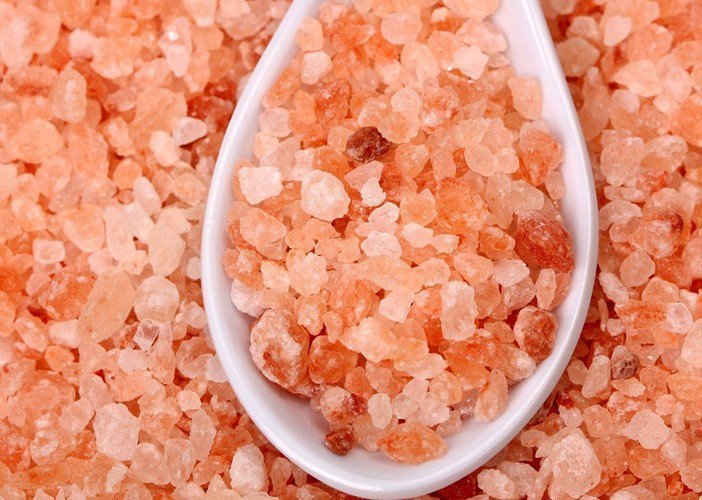
Pink Himalayan salt: What it does to your body

pink salt
So you've been hearing about this amazing Himalayan crystal salt for the last few years, and now you're wondering, is it really better than sea salt or table salt? How does it benefit my body vs those other salts? Well, it is packed with some pretty amazing benefits, making it a wonderful alternative to table salt and an exciting new staple to add to your pantry.

The History

First of all, what makes Himalayan crystal salt so amazing? About 200 million years ago, there were crystallized sea salt beds that were covered with lava. Because this salt was subsequently enveloped in snow and ice for millennia, it was protected from modern day pollution and preserved in an untouched, pristine environment. The Himalayan mountain range goes across Asia, and passes through China, Nepal, Myanmar, Pakistan, Bhutan, Afghanistan, and India. Many people believe that this pink salt is the purest salt that can be found on the planet.

Comment: Read more about Why real salt is so important:


Magnify

Are fungi the future of medicine? The mushroom farmer versus drug-resistant superbugs

mushroom

Tradd Cotter believes his fungi are the future of medicine—but does the science hold up?


Some interesting things have been found in trash cans throughout history, no doubt, but perhaps few with as much potential to change the world as what Tradd Cotter discovered in his.

Returning to the lab after a weeklong vacation in 2012, Cotter, owner of Mushroom Mountain - a mushroom farm and research facility in Greenville, South Carolina - noticed that in a contaminated Petri plate he'd discarded a week earlier, two fungi were waging what he calls a "massive attack" on one another. A fungus he'd grown in the lab had spread throughout the plate to destroy another fungus that had snuck in from the air and was trying to reach a food source - - in this case, agar. Intrigued by the patterns the battling molds were forming, Cotter brought the plate to a well-lit room and took a variety of high-resolution photographs. "I zoomed in and noticed that there were these droplets all over the surface of the competitor mold and nowhere on the body of the [original] fungus," he says. "And I thought, 'Maybe it's producing some kind of weapon.'"

Comment: Magic Mycellum: The healing power of mushrooms
Most mushrooms are about 90 percent water by weight, but what makes up the remaining 10 percent is nothing short of amazing. Mushrooms contain protein, fiber and a small amount of fat, along with vitamins and minerals including potassium, calcium, phosphorus, magnesium, selenium and zinc.

They also contain many bioactive molecules, including terpenoids, steroids, phenols, and all of the essential amino acids (they're especially good sources of lysine and leucine). Mushrooms also contain polysaccharides, which have a variety of beneficial properties, including:
  • Anti-inflammatory
  • Hypoglycemic
  • Anti-ulcer
  • Anti-tumorigenic
  • Immuno-stimulating


Magic Wand

Why acupuncture works

acupuncture
© holdens-acupuncture.com
More than 3 million Americans receive acupuncture each year, and its use is increasing.1 While there are a variety of acupuncture techniques, those typically used in the U.S. incorporate traditions from China, Japan and Korea and involve penetrating your skin with a thin needle at certain points on your body.

The needle is then stimulated by hand or electrically.2 Acupuncture has been in use for thousands of years around the globe, and it has withstood the test of time because it works to safely relieve many common health complaints.

How it works has remained largely a mystery, but last year researchers revealed a biochemical reaction that may be responsible for some of acupuncture's beneficial effects.

Comment: A Healthy Poke: Demystifying the Science Behind Acupuncture