Health & WellnessS


Ambulance

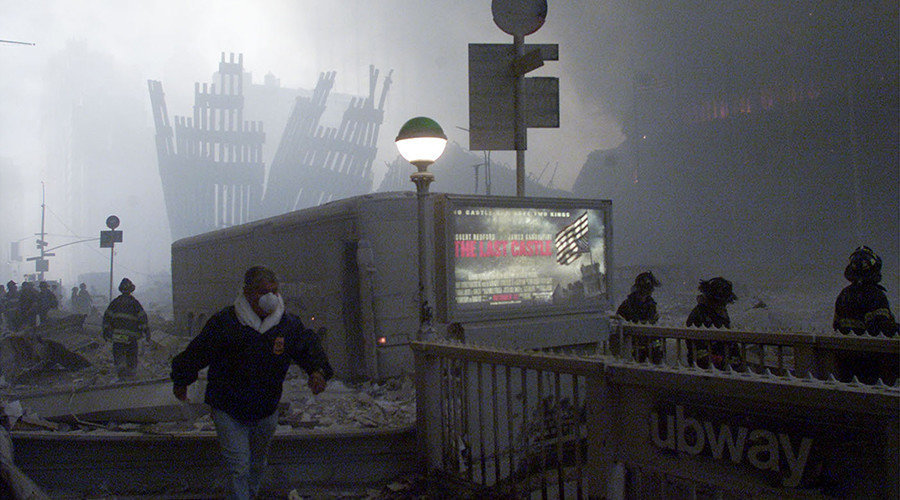
15 years later: 9/11 Emergency responders and civilians turning up with record rates of cancer, respiratory diseases and PTSD

pollution new york 911
© Peter Morgan / Reuters “We will never know the composition of that cloud, because the wind carried it away, but people were breathing and eating it. What we do know is that it had all kinds of god-awful things in it. Burning jet fuel. Plastics, metal, fiberglass, asbestos. It was thick, terrible stuff. A witch’s brew.”
After 9/11 New Yorkers were assured the air was safe by the EPA. The federal government was slow to respond with health programs to help survivors despite recognizing the worst health effects wouldn't be seen for 10-15 years. But 15 years later cancer rates doubled.

One of the people at the forefront of efforts to get help for first responders was John Feal, a first responder who lost half his foot working at Ground Zero.

"We walked the halls of Congress for six years to get it (Zadroga Act) passed in 2010," John Feal, executive director of the FealGood Foundation told RT. "At the time everyone was jumping up and down that it was passed, but the first words out of my mouth were 'we've got more work to do.'"

"I don't celebrate when human life is at stake, when people are sick and dying. How do you celebrate?" added Feal. "Cancer wasn't even part of the bill when it we got it passed in 2010. We had to fight and advocate and petition the committee to get cancers added and that was a year later in 2011."

Comment: Tens of thousands have developed statistically impossible diseases with the vast majority misdiagnosed for years and only a small number of victims compensated. The situation in New York is similar to the government's previous attempts to cover-up or deny the health problems of Vietnam and Gulf war veterans exposed to toxic chemicals.


Cell Phone

Why men should never put their cell phone in their pocket: Study shows prolonged exposure to radiation destroys sperm

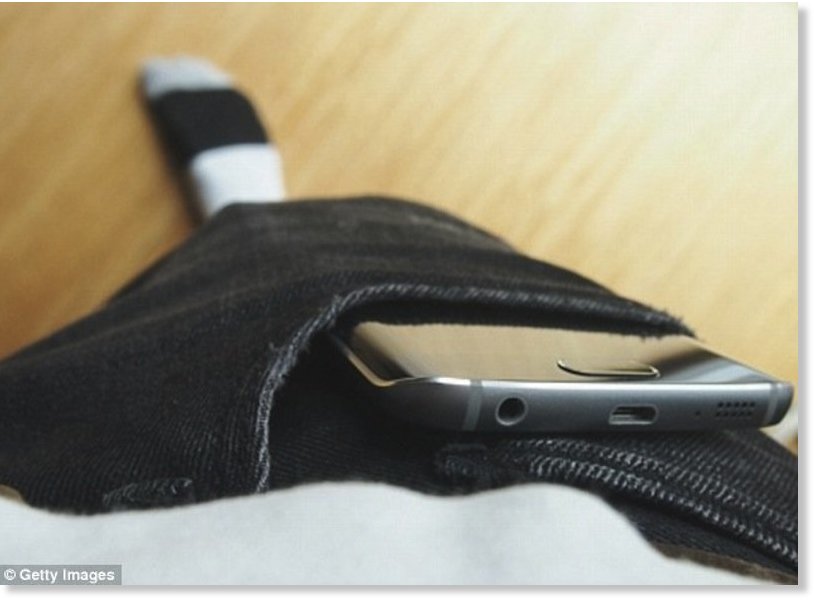
cell phones in pocket
Despite all the fears about cell phones and radiation, most of us still put our phones in our jean pockets.

It's easy, convenient, and any bad effects are impossible to see.

But a new study warns there is conclusive evidence that men in particular need to find another storage spot.

A systemic review of 21 research papers on radiation shows phones placed close to a man's genitals for a prolonged period of time steadily drive down sperm count.

And among the studies, many suggest surviving sperm could be DNA-damaged.

The biological phenomenon is currently under fierce debate since scientists have no way to explain how non-ionizing radiation influences the body.

Comment: We have only just, in recent years, come to terms with the highly damaging effect that EMF radiation has to our health:


Info

Vitamin C prevents side effects from the MMR vaccine


Comment: This article is very informative in an era where government agencies are requiring two doses of the MMR vaccine for young children even when there is evidence of its link with autism.


This is not an article about whether vaccinations are "good" or "bad." This is an article about how high-dose vitamin C can protect children from vaccination side effects. Until we have real choice as to whether or not we vaccinate our children, we must seek ways to make immunizations safer. High-dose vitamin C makes immunizations safer.
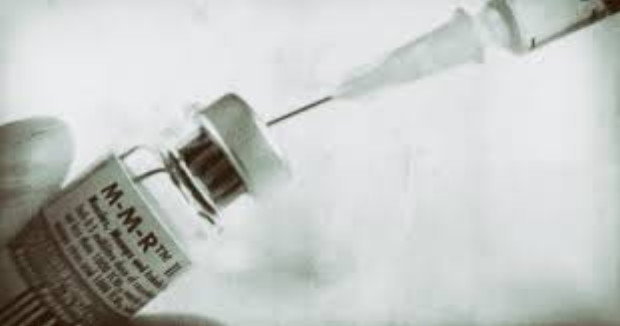
MMR vaccine
Giving the MMR Shot to a Child with Known Vaccination Sensitivity

Our daughter recently received the MMR (measles, mumps, and rubella) vaccination. In fact, she received two. New York State recently changed the law requiring an additional MMR shot in order for children to attend kindergarten. We had to make sure that she received both injections this summer before school started. We were concerned about giving her two MMR shots (and so close together) because after a previous vaccination she had a serious reaction.

Years ago, before we learned to give huge doses of vitamin C before, during, and after immunizations, our daughter (then age 15 months) had a severe reaction to the DPT (diphtheria, pertussis, and tetanus) vaccination: she lost her coordination, was screaming, falling over, and spiked a high fever. High-dose, saturation-level vitamin C cured her reaction to the DPT vaccine and taught us an important lesson: give more vitamin C. Much, much more. Now, in order to protect our children from any vaccination side effects, we give very high doses of vitamin C before, during (yes, even at the doctor's office) and after immunizations. To read more see: http://www.orthomolecular.org/resources/omns/v11n09.shtml and http://www.orthomolecular.org/resources/omns/v12n07.shtml.

No, the MMR shot is not the same as a DPT shot. Just because our child reacted to one vaccine, doesn't necessarily mean she will react to another. However, according to the Centers for Disease Control and Prevention (CDC), "Any vaccine can cause side effects" and "like any medicine, is capable of causing serious problems." See: http://www.cdc.gov/vaccines/vac-gen/side-effects.htm When you consider just how much vitamin C our daughter held after the MMR vaccinations, we have to ask ourselves one question: where was it all going?

Comment: Vitamin C has an excellent track record: Nevertheless, those with iron overload issues should be aware of the following research when using vitamin C:

The iron elephant - The dangers of iron overload


Health

Welcome to the island where people forget to die and diseases like lung cancer mysteriously disappear

Ikaria
One day in 1976, Stamatis Moraitis of Boynton Beach, Florida, felt short of breath. Climbing stairs was a chore; he had to quit working midday. After reviewing his X-rays, his doctor concluded that Moraitis had lung cancer. As he recalls, nine other doctors confirmed the diagnosis. They gave him nine months to live. He was in his mid-60s.

Moraitis, a Greek war veteran who had arrived in the United States in 1943, considered staying and seeking aggressive treatment. That way, he and his wife, Elpiniki, could be close to his adult children. But he decided to return to his native island, Ikaria, where he could be buried with his ancestors in a cemetery that overlooked the Aegean Sea. He and Elpiniki moved in with his elderly parents, into a tiny, whitewashed house on two acres of stepped vineyards on the north side of Ikaria.

At first, Moraitis spent his days in bed. On Sunday mornings, he hobbled up the hill to a tiny Greek Orthodox chapel where his grand­father once served as a priest. When his childhood friends started showing up every afternoon, they'd talk for hours, an activity that invariably involved a bottle or two of locally produced wine. I might as well die happy, he thought.

Syringe

Vive la France: The French have less confidence in the safety of vaccines than any other country according to recent survey

france opt out vaccines
Since 2005, the doubts of the French public along with a large percentage of its medical doctors over the safety and effectiveness of vaccines has continued to skyrocket.
The French had less confidence in the safety of vaccines than the residents of 66 other countries recently surveyed by researchers.

A team lead by anthropologist Heidi Larson of the London School of Hygiene & Tropical Medicine conducted what it contends is "the largest survey on confidence in immunization to date," interviewing more than 65,000 people. As the researchers report online in EBioMedicine today, 41% of respondents in France disagreed with the assertion that vaccines are safe. On average, just 12% of respondents in other nations disagreed with this statement.

"I didn't expect France to be as negative as it was," says Larson, who runs The Vaccine Confidence Project, a nonprofit that monitors public concerns about immunization. At the other end of the scale, only 0.2% of the respondents in Bangladesh had similar safety misgivings.

Larson notes that France recently has experienced "anxiety" about suspected but unproven links between the hepatitis B vaccine and multiple sclerosis and, separately, the human papillomavirus vaccine and side effects like fatigue in girls. France similarly had strong reservations about a flu vaccine quickly made to combat the pandemic of H1N1 in 2009. "There was a furor that the government bought so much of that vaccine and a worry that it was made too quickly and couldn't be safe," Larson says.


Comment: The French are wise in their skepticism regarding these vaccines:

The hepatitis B vaccine may be more dangerous than the disease itself. The U.S. Vaccine Adverse Events Reporting System (VAERS) reported nearly 25K adverse reactions between 1990 and 1999. These included 439 deaths and and nearly 10K emergency room visits. Reported side effects include: arthritis, skin disorders, compromised immunity and autoimmune disease, neurological damage, vision loss, blood disorders, diabetes, and damage to liver and kidneys among numerous others.

The HPV vaccine has been called the greatest medical scandal of all time - they account for one-fourth of all VAERS reports. A few of the reported side effects include: pancreatitis, vomiting, fatigue, autoimmune diseases, Guillain-Barré, motor neuron disease, paralysis, seizures, deep venous thrombosis and death.

Flu vaccines are not only ineffective, but can actually increase your susceptibility. They contain neurotoxic ingredients, and can cause severe complications and even death.


Comment: The Vaccine Dilemma: Unsafe at any dose
Modern vaccine science, and conventional medicine in general, has morphed into a new fascism, a rigid doctrine that has sacrificed the foundations of scientific integrity on the altar of institutional greed, privilege and profit.

During the past decade we have witnessed outbreaks of infectious disease among the fully vaccinated. We observe new viral strains appearing that escape current immunization. There are rising rates in autism and neurological disorders and increases in autoimmune conditions never before observed in large percentages of children. And there is a growing body of research pointing to vaccination's adverse effects upon our immune systems. All of these trends, and many more, give sufficient reason to undertake a serious review of official claims over vaccine safety and efficacy. The evidence on the ground for the alarming rates in childhood illnesses parallel to the ever-increasing number of childhood vaccinations and the government's ridiculous one-size-fits-all policy behind mass indiscriminate vaccination should convince us that vaccine safety is far from a settled matter.

The majority of vaccine ingredients have been shown repeatedly to have toxic consequences contributing to serious neurological and autoimmune conditions. These effects can be immediate, such as in the case of a child who undergoes seizures and is left with permanent neurological damage shortly after vaccination. Or effects through repeated vaccination can be accumulative and display symptoms many years later.

The vaccine industry continues to rely upon outdated research, industry funded studies, conflicts of interest with federal agencies and even scientifically irrelevant data to make its case that vaccine additives and ingredients pose no medical risks. What the industry's arsenal of research sorely lacks is biological and gold standard placebo controlled clinical trials to support this position. In short, accepted vaccine research is little more than junk science. And junk science can make for the best propaganda to convince a population into the deception of vaccine safety.


Syringe

Surprise! New study warns of the dangers of multiple vaccinations

multiple vaccines
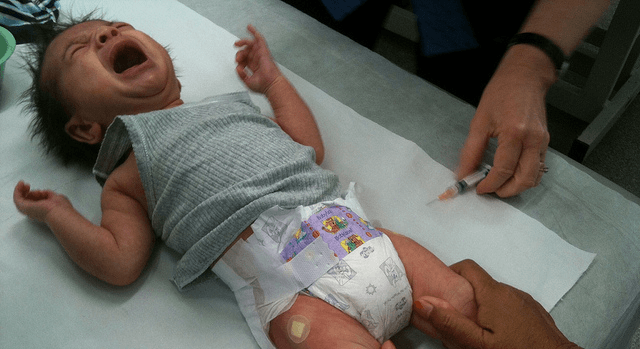
Time and time again, VacTruth has published heartbreaking stories involving infants who have received multiple vaccinations in one visit. Many of these infants have suffered irreversible brain injuries or death as a result.

Currently, an infant as young as eight weeks of age can receive up to ten doses of vaccinations in one visit, and in one particular case, a child received thirteen doses, which, sadly, led to his death. [1]

Until recently, there have been very few studies for parents to examine outlining the facts surrounding the dangers of multiple vaccinations. However, this is about to change.

Magnify

A closer look at the myth of cancer screening tests

The prospect of developing cancer is a frightening one. Sadly, this fear is leading many to undergo dangerous and harmful cancer screenings that, ironically, can cause the very diseases patients hope to avoid.
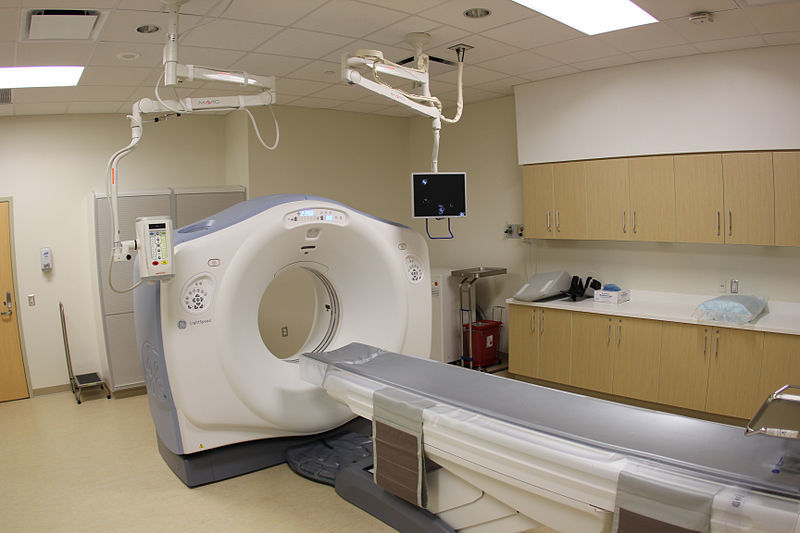
CT scanner
Any procedure or action needs to be evaluated not just on its benefits, but also on its costs. If a test saves one life but costs two, it's not a benefit. It is not the benefit but the ratio of benefit to cost that judges a test. It is the unbalanced exposure to the benefits of cancer screening that have placed the public in an uninformed and, therefore, overly trusting and optimistic position.

There are a number of ways cancer screening can have a greater ratio of costs to benefits even if the benefits are accurately reported. A screening method may sometimes detect an early cancer. But the huge majority of people who are screened are healthy and don't have that cancer but are exposed to the hazards of the screening, and false positives and overdiagnosis can cause healthy people to undergo unhealthy treatments. So, while the benefit may be a saved life, the cost may be more people dying from the test or the treatment. The cancers aren't real, but the dangerous treatments are. The false cancer causes no danger, but the real chemo and radiation do. And, actually, the false cancer causes danger too because of the very real stress caused by the belief that you are living with cancer.

A systematic review of meta-analyses of cancer screening found that only three of ten studies found that cancer screening reduces the risk of dying from the cancer it was screening for. Even worse, not one found that cancer screening reduces your actual risk of death (1).

Comment: More food for thought:

Landmark study shows high death rates from chemotherapy treatment, not the cancer itself

Life threatening downsides to chemotherapy
A startling study by Public Health England and Cancer Research UK has found that cancer treatment itself may be killing up to 50 percent of patients.
Whatever happened to "first, do no harm?!"


Shoe

Leg Strength: A key to longevity and brain health

leg strength
Modern technology and medical research have made magnificent strides in the last decade. They have joined forces to help us live longer and even increase the quality of life as we age.

Think about all the breakthroughs in stem cell research ... DNA and gene sequencing ... advanced disease diagnosis and treatment ... and even wearable tech to measure our day-to-day health.

I think you'll agree that the advancements we've made as a society are remarkable.

But there's one crucial factor in longevity most people don't know about.

You won't see it on the news or in the latest tabloids because it's not as sexy as the "new age" discoveries above.

It wasn't developed by science or in a lab.

It can't be injected or taken in a pill.

The longevity factor I'm talking about is leg strength.

The strength of your legs has been found to be a key predictor of your longevity, both how long you will live and the quality of life as you age.

Cow

Antibiotic resistant genes easily transferred between bacterial species and can move from farm animals to the human gut

factory farms
© shuttertsock
Certain antibiotic resistance genes are easily transferred from one bacterial species to another, and can move between farm animals and the human gut. A team led by Chinese researchers has characterized this "mobile resistome," which they say is largely to blame for the spread of antibiotic resistance. They found that many antibiotic resistance genes that are shared between the human and animal gut microbiome are also present in multiple human pathogens. These findings are published September 9 in Applied and Environmental Microbiology, a journal of the American Society for Microbiology.

"This is an incredibly robust study," said Harold Drake, PhD, editor of the journal. "The so-called "transfer network" of antibiotic resistance genes described in the paper is very forward reaching and will have great impact not only on our understanding of this modern microbial dilemma but also on how human healthcare agencies and research institutes attempt to cope with it."

In China, the human and chicken gut microbiomes share 36 mobile resistance genes, said corresponding author Baoli Zhu, PhD, professor of pathogenomics, University of Chinese Academy of Sciences Medical School. The human gut microbiomes in China, Europe, and the US share more mobile resistance genes with the chicken gut microbiome than with any other livestock gut microbiomes.

Among 84 mobile antibiotic resistance genes shared between at least two gut databases, 41 had recently moved between human and animal guts, said Zhu. Collectively, genes from among these 41 are capable of disabling all of six major classes of antibiotics, including tetracyclines, aminoglycosides, and beta-lactams.

Comment: The World Health Organization has warned of an 'alarming rise' in antibiotic-resistant superbugs, stating this is the single greatest challenge in infectious diseases today. Yet despite this antibiotic use in factory farms is actually increasing as both drugmakers and meat producers continue to resist regulation while simply ignoring the FDA's 'voluntary controls'.


Books

The disappearance of the word 'cure' from modern medicine

cure
Do medicines cure? Can medicine cure? Recently I reported that Webster's New World Medical Dictionary does not contain the words "cure", "cured", "cures", nor "incurable". I thought it was an exception. I was wrong. It's not an exception, it's the rule.

I've done some further checking. The words "cure" and "incurable" do not appear in The Oxford Concise Medical Dictionary, Ninth Edition, 2015. They do not appear in The Bantam Medical Dictionary, Sixth Edition, 2009. "Cure" does not appear in Barron's Dictionary of Medical Terms, Sixth Edition, 2013, although "incurable" is defined as "being such that a cure is impossible within the realm of known medical practice". Medical Terminology for Dummies, Second Edition, does not contain the word "cure".*

Further, "cure" is not defined and not in the index of most, if not all major medical references, including: Merck's Manual of Diagnosis and Therapy, Harrison's Guide to Internal Medicine, and Lange's Current Medical Diagnosis and Treatment. In consistent fashion the DSM 5, the Diagnostic and Statistical Manual of Mental Disorders does not contain the word "cure" in the index. Cured is not defined for mental illness.

Seriously? What is going on?