Health & WellnessS


Bacon n Eggs

First study of its kind shows that major depression can be reversed with dietary changes

Media depression
More than 15 million Americans suffer from serious depression, and it is estimated that globally some 350 million people are struggling with the challenging mental disorder. While the causes of depression are varied and largely unidentifiable, since the 1950's the pharmaceutical industry has been developing a broad range of antidepressants, and it now estimated that 8-10% of the American population is taking some type of antidepressants.

The problems with antidepressants are wide-ranging including addiction, costs, and a host of unfavorable side-effects including emotional numbness and even an increased risk of suicide. While antidepressants may very well help some people cope with the overwhelming effects of depression in the short-term, pharmaceutical treatments do not cure depression.

Pondering the reasons for such a major increase in depression in our society over the last couple of decades, many have speculated that a combination of lifestyle, social disconnectedness in a technologically advanced society, lack of exercise, environmental pollutants, and increased consumption of nutritionless and heavily processed foods are to blame. Yet, medical science has been slow to fully acknowledge and recommend lifestyle changes to patients, often preferring the recommendation of pharmaceuticals.


Comment: For more on dietary interventions for depression see:


Apple Red

GMO apples: Coming soon to a store near you

GMO apples
If a food company invented a new version of a typical food and then packaged it in a box without the ingredients etc. listed on the packaging, there would be quite the outcry.

So why is it that Okanagan Speciality Fruits is allowed to market a new variety of GMO apples without telling people the reason they're so "special" is that they are genetically modified?
While the fruit won't be explicitly labeled as a GMO product, that information will be available by scanning a QR code on the packaging. "We are selling it under the Arctic brand and we've had a lot of press and attention, so I assume most people will know what it is," company founder Neal Carter said. (source)
Note Neal Carter's words: "most people will know what it is."

So how, exactly, will "most people know" that the fruit they're buying has been tampered with? Are we actually supposed to carry around a QR scanner at the store to figure out what the heck we're buying?

Comment: More Frankenfoods coming down the pike:


People 2

Flashback Research suggests: Modern parenting may hinder brain development

child in a bubble
© The Boston GlobeThe armored child
Social practices and cultural beliefs of modern life are preventing healthy brain and emotional development in children, according to an interdisciplinary body of research presented recently at a symposium at the University of Notre Dame.

"Life outcomes for American youth are worsening, especially in comparison to 50 years ago," says Darcia Narvaez, Notre Dame professor of psychology who specializes in moral development in children and how early life experiences can influence brain development.

"Ill-advised practices and beliefs have become commonplace in our culture, such as the use of infant formula, the isolation of infants in their own rooms or the belief that responding too quickly to a fussing baby will 'spoil' it," Narvaez says.

This new research links certain early, nurturing parenting practices - the kind common in foraging hunter-gatherer societies - to specific, healthy emotional outcomes in adulthood, and has many experts rethinking some of our modern, cultural child-rearing "norms."

Comment: Do new parenting trends enable children and keep them dependent?


Bacon n Eggs

The war against Cholesterol has always been total rubbish

bacon and scrambled eggs
Superfoods
The media, the medical and drug sector, the food industry, and many other sectors have teamed up to sell the masses a pack of lies. And like lab rats the masses believe what they are being force-fed, instead of taking a few seconds to do one simple thing, they instead opt to do nothing, but swallow the blue pill they have been given, instead of opting to question everything. A simple question leads to some research, and research provides alternative viewpoints. A brain that is not exercised is a worthless instrument, and the longer it is not used the more useless it becomes.


We stated several times before that the war against cholesterol was total rubbish. In fact, cholesterol is good; it's a healing agent, and when levels are high it is trying to protect the organism from allergenic or inflammatory agents. Just like the drug industry once fooled people into believing eggs were bad for health, they continue to pump the nonsense that cholesterol is bad when there is no real credible evidence to support this claim. If you read the research studies they cite you will find that at the very best they are employing something called faulty logic or they are downright lying to support these wild assertions.

Comment: Vive la Cholesterol!


Syringe

Metallic and unidentifiable foreign bodies found in vaccine samples

vaccine lab
According to the U.S. CDC and FDA, vaccines are 'safe'! That's the mantra both have been propagandizing for longer than anyone can remember, but is it true?

Well, if you consider
The results of this new investigation show the presence of micro- and nanosized particulate matter composed of inorganic elements in vaccines' samples which is not declared among the components and whose unduly presence is, for the time being, inexplicable. A considerable part of those particulate contaminants have already been verified in other matrices and reported in literature as non biodegradable and non biocompatible.
That candid report is from the research article "New Quality-Control Investigations on Vaccines: Micro-and Nanocontamination" published in Volume 4, Issue 1 - 2017 issue of the International Journal of Vaccines and Vaccination. [1] The article is 13 pages in length and should destroy once and for all the pseudo-science and pharmaceutical drivel that vaccines are: 1) 'safe'; 2) effective; and 3) should be mandated for everyone from day one of birth to their grave!

Alarm Clock

Silent canaries: Vaccines and the causes of Sudden Infant Death Syndrome

SIDS deaths
© PAVEL VENENO
Having a newborn baby can and should be a time of tremendous joy for parents. Most parents trust their pediatricians to provide them with guidance and care that is in the best interest of their infants and children. However, when it comes to preventing the tragedy of sudden infant death syndrome, most parents are left with worthless and dangerous advice from the experts, including recommendations to vaccinate, which can actually cause SIDS.

This current state of medical practice is both tragic and criminal. Pediatricians are not evil individuals, but they are greatly misinformed in their training and highly influenced by the pharmaceutical companies. [1]

Comment: Vaccines: Could this be driving the epidemic of sudden infant deaths (SIDS)?


Brain

Sleep shrinks the brain—and that's a good thing

Without a nighttime reset, synapses could burn out like an outlet with too many appliances plugged in

neural connections
© Ian Cuming Getty Images
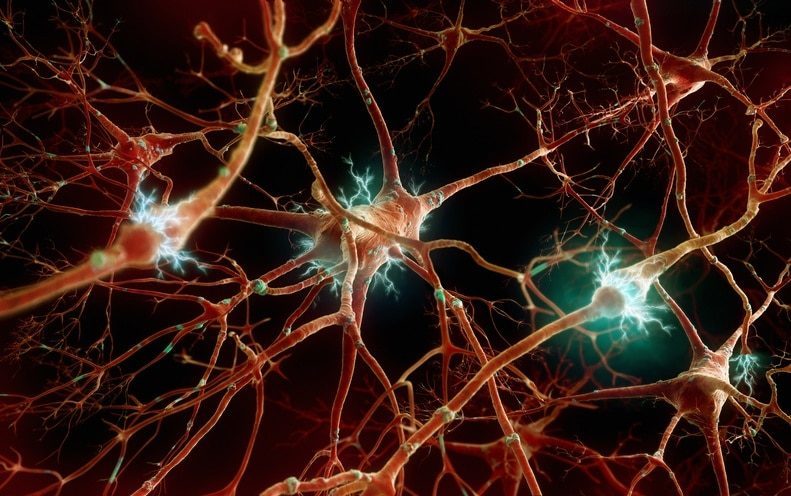
Ah, to sleep, perchance ... to shrink your neural connections? That's the conclusion of new research that examined subtle changes in the brain during sleep.

The researchers found that sleep provides a time when the brain's synapses — the connections among neurons—shrink back by nearly 20 percent. During this time, the synapses rest and prepare for the next day, when they will grow stronger while receiving new input—that is, learning new things, the researchers said.

Wine n Glass

Moderate alcohol consumption found to be just as damaging as binge drinking

liquor
There's no denying it that alcohol over-consumption, binge drinking and alcoholism can have some devastating effects. Nonetheless, alcohol has become so normalized in our society that moderate drinking is considered normal. Now, a new comparison between binge and moderate drinking has raised the question. Is moderate drinking much worse for the body than many of us think?

Drinking Guidelines

The National Institute on Alcohol Abuse and Alcoholism uses three tiers to identify the different drinking levels:
  • Moderate consumption - up to 1 drink per day for women and up to 2 drinks per day for men.
  • Binge drinking - 5 or more alcoholic drinks for males or 4 or more alcoholic drinks for females on the same occasion (i.e., at the same time or within a couple of hours of each other) on at least 1 day in the past month.
  • Heavy alcohol use - binge drinking on 5 or more days in the past month.
It is important to consider that "1 drink" equals to no more than 0.6 ounces of pure alcohol, 12 ounces of beer, or 5 ounces of wine.

Binge drinking effects over 20% of the US population, according to a recent report published by the U.S. surgeon general. The 2015 National Survey on Drug Use and Health (USDUH) estimates this to be even higher at 27%. Alcohol misuse in the U.S. contributes to over 88,000 deaths each year. Globally, deaths in 2012 attributed to alcohol consumption stacked up to 3.3 million.

Megaphone

Scientists crack why eating sounds can make people angry - the brain goes into 'overdrive'

Misophonia
© YouTube/Newcastle UniversityA test subject reacts to the sound of eating during research conducted by Newcastle University.
Olana Tansley-Hancock was just eight years old when she had to start eating her meals in her bedroom because the sound of her family eating drove her mad.

"I can only describe it as a feeling of wanting to punch people in the face when I heard the noise of them eating - and anyone who knows me will say that doesn't sound like me," the 29-year-old who lives in Kent, England is quoted as saying in a Newcastle University press release about new research into why some people's brains are sent into overdrive by the sounds of eating or breathing.

When Tansley-Hancock sought help, her family doctor laughed at her and counselling made it worse, she says. So she searched the internet and found the term misophonia.

She's now part of a research project into discovering why some people are so sensitive to sound. Scientists report the first evidence of clear changes in the structure of the brain's frontal lobe in those with misophonia in Friday's edition of Current Biology.

Comment: Read more about Misophonia:


Bullseye

This is what happens when you speak out against processed carbs: Big Food vs Dr. Tim Noakes

Dr. Tim Noakes
Dr. Tim Noakes
Tim Noakes' Final Crusade

An American may not be able to grasp what Tim Noakes means to South Africa since no equivalent to Professor Noakes exists in the U.S. In South Africa, Noakes is a nationally famous exercise scientist and physician who has transformed the practice of sport by challenging most commonly held beliefs. And yet, Noakes' own university and colleagues, along with the medical establishment, have suddenly turned against him in what he describes as his "final crusade." Having demolished dogma on subjects as diverse as hydration, motivation and fatigue, Noakes may have gone a step too far. He took on carbs.

On the surface, the Tim Noakes controversy looks like a simple turf war between the renegade scientist and a few South African dietitians. That story goes something like this: in February 2014, the world-renowned exercise physiologist and M.D. tweeted that babies should be weaned onto low-carbohydrate diets. Then Claire Julsing Strydom, the president of South Africa's dietetics association, ADSA, reported Noakes for unprofessional conduct. Noakes chose to fight back and defend his dietary advice even though he no longer practices medicine and could just as well have given up his license. And finally, after dozens of hours of hearings, South Africa's council for health professionals will decide whether Noakes will keep his medical license.

It feels like we've seen this story a thousand times before. Entrenched interests attempt to protect their industry from renegade outsiders empowered by the internet. It looks like the taxi industry vs. Uber, or ACSM vs. CrossFit affiliates. To get any deeper, you have to do a little bit of investigation.

Comment: Here are some of the tweets that led to this travesty. Hysteria wins again.