Health & WellnessS


Biohazard

Breaking study: Insecticides found in Iowa's drinking water

tap water
A recent study shows that drinking water in Iowa City, Iowa is contaminated with insecticides. The implications of this disturbing discovery could be detrimental to public health.

A new study published in the journal Environmental Science and Technology Letters, titled 'Occurrence of neonicotinoid insecticides in finished drinking water and fate during drinking water treatment' [i] has reported disturbing findings. Although neonicotinoid insecticides are widespread in surface waters across the agriculturally intensive Midwestern United States, the investigation released from The University of Iowa is the first peer-reviewed study to alert the public of the presence of the chemicals in their tap water. The study states:
"We report for the first time the presence of three neonicotinoids in finished drinking water and demonstrate their general persistence during conventional water treatment."
In 2016 following maize and soy planting, finished drinking water samples were collected from taps at The University of Iowa and at three locations in Iowa City, IA. The study shows that samples collected from The University of Iowa drinking water treatment plant suggest that clothianidin and imidacloprid persist throughout conventional water treatment processes, while thiamethoxam is partially removed. The study found clothianidin, imidacloprid, and thiamethoxam were ubiquitously present (i.e., 100%) in all samples (n = 16) collected from University of Iowa tap water, with concentrations ranging between 3.89 and 57.3 ng/L, between 1.22 and 39.5 ng/L, and between 0.24 and 4.15 ng/L, respectively.


Comment: If these insecticides kill the birds and the bees, what can they do to humans? The results of this review yields clues:
Eight studies investigating the human health effects of exposure to neonics were identified. Four examined acute exposure: Three neonic poisoning studies reported two fatalities (n = 1,280 cases) and an occupational exposure study of 19 forestry workers reported no adverse effects. Four general population studies reported associations between chronic neonic exposure and adverse developmental or neurological outcomes, including tetralogy of Fallot (AOR 2.4, 95% CI: 1.1, 5.4), anencephaly (AOR 2.9, 95% CI: 1.0, 8.2), autism spectrum disorder [AOR 1.3, 95% credible interval (CrI): 0.78, 2.2], and a symptom cluster including memory loss and finger tremor (OR 14, 95% CI: 3.5, 57). Reported odds ratios were based on exposed compared to unexposed groups.


Display

Touch screen devices linked to sleep problems in toddlers

toddler with iPad
© Scott & Elaine van der Chijs CC-BY
Television viewing and videogaming have previously been linked with poor sleep patterns in children. Now, use of touchscreen devices like iPads and smartphones by infants and toddlers has been linked to sleep problems.

A survey of 715 parents with children under three years of age was conducted by researchers at the University of London. 75 per cent of the babies and toddlers were looking at touchscreens on devices like iPads and smartphones every day, parents said.

The results found that children who played with touchscreens slept less at night and more in the day. Across the board they got around 15 minutes less sleep for every hour of touchscreen use.

EARLY EXCESSIVE SCREEN USE

Dr. Tim Smith, psychologist at Birkbeck, University of London, and study co-author, speaking to CTV News said he was surprised by the outright amount of time children appear to be spending with touchscreens.
"Some of them had quite excessive use of up to two hours; before they're old enough to walk, before they're speaking."

Comment: Excessive touchscreen use does more than interfere with sleep. It can wreck a child's brain.

The Health & Wellness Show: Digital 'pharmakeia': Glow kids, screen addiction, gaming and the hijacking of children's brains


Alarm Clock

Millions globally could be suffering from vaccine induced chronic fatigue syndrome caused by aluminum poisoning

chronic fatigue
Every two years, for the past twenty years, a group of approximately 70 scientists have met at different locations around the world to discuss the effects that aluminum has had on living things.

In March 2017, they met in Vancouver, Canada, for this year's meeting, titled The 12th Annual Keele Meeting on Aluminum, which was sponsored by the Children's Medical Safety Research Institute (CMRSI).

One of the scientists who spoke at the conference this year was keynote speaker Dr. Romain Gherardi, from the Neuromuscular Pathology Expert Centre at Paris-Est Créteil University (UPEC).

Briefcase

Parents lose court battle to keep their baby alive

Chris Gard and Connie Yates
© Chris J Ratcliffe/Getty ImagesChris Gard and Connie Yates leaving the high court.
Doctors can withdraw life-support treatment from a sick baby boy against his parents' wishes, a high court judge has ruled.

Specialists at Great Ormond Street hospital (GOSH) in central London had told the court they believed it was time to stop providing life support for eight-month-old Charlie Gard, who has a rare genetic condition.

Doctors treating the infant say he has brain damage and should be moved on to a palliative care regime. His parents, Chris Gard and Connie Yates, of Bedfont, west London, wanted to take him to a hospital in the US for a treatment trial.

On Tuesday, Mr Justice Francis said: "It is with the heaviest of hearts but with complete conviction for Charlie's best interests that I find it is in Charlie's best interests that I accede to these applications and rule that GOSH may lawfully withdraw all treatment save for palliative care to permit Charlie to die with dignity."

As he spoke, Gard buried his head in his hands and cried "no" as other family members broke down. Charlie's parents are considering mounting an appeal.

The judge praised Charlie's parents "for their brave and dignified campaign on his behalf" and "their absolute dedication to their wonderful boy from the day that he was born".

Comment:


Attention

Cancer-causing pollutant hexavalent chromium draws more attention after Lake Michigan spill

chemical spill
© Zbigniew Bzdak / Chicago TribuneThe chemical spill from the U.S. Steel facility in Portage caused beaches in and around Indiana Dunes National Lakeshore to close and left officials scrambling to determine the extent of damage caused to the local environment.
While federal environmental officials scrambled to protect Lake Michigan from a cancer-causing metal spilled into a northwest Indiana tributary, their political bosses in President Donald Trump's administration are pushing a new budget that would scuttle efforts to crack down on the pollutant nationwide.

The spill of hexavalent chromium, reported Tuesday by the U.S. Steel Midwest Plant in Portage, prompted the neighboring Ogden Dunes community to shut off its drinking water intake and the Indiana Dunes National Lakeshore to close four beaches as a precaution. Chicago conducted emergency testing of water drawn at an intake crib off 68th Street, about 20 miles across the lake from the spill, but found nothing unusual.

U.S. Steel said it appears a broken pipe joint allowed a still-undetermined amount of wastewater to spill into a ditch next to the plant, where steel forged at the nearby Gary Works is coated with hexavalent chromium and other rust-inhibiting materials.

The U.S. Environmental Protection Agency said there was no immediate threat to Lake Michigan. But the spill draws renewed attention to a toxic metal made infamous by the movie Erin Brockovich.

Comment: Is it any wonder that American's concerns about water pollution is at an all time high?
Thousands of Americans drink tap water poisoned by unsafe levels of a cancer-causing heavy metal, and government authorities are doing little to stop it, according to a new report from clean water activists.

The chemical hexavalent chromium, also known as chromium-6, gained notoriety as the carcinogenic water contaminant that Erin Brockovich sued a utility over in California—and the new report from advocacy organization Environmental Working Group finds that it shows up in the water systems of major cities all over the country.

The data estimate that water supplies serving 218 million Americans—more than two-thirds of the population—contain more chromium-6 than California scientists have deemed safe. The group estimated that if nothing changes, chromium-6 in tap water will lead to more than 12,000 excess cases of cancer by the end of the century.

The findings are one more sign of a broken state and federal regulatory system that enabled crises in Flint, Michigan, and Hoosick Falls, New York, among other cities where dangerous contaminants in tap water threatened public health, advocates say.


SOTT Logo Radio

SOTT Focus: The Health & Wellness Show: Don't Panic, Lighten Up!

laughing men
Chuckles, giggles, mirth, merriment, guffaws -- laughter by any other name. The physiological study of laughter has a name -- gelotology -- and there are actually researchers who study humor and laughter and how they have an impact on the brain and body. They've found that yukking it up has numerous health benefits: It releases tension, lowers anxiety, boosts the immune system, aids circulation and much, much more. Laughter is so vital to well-being that this therapy is being merged with traditional medical treatments and laughing yoga groups have sprung up worldwide.

The benefits of a big, belly laugh cannot be overstated so join us on The Health and Wellness Show for a dose of laughter therapy.

Running Time: 01:17:19

Download: MP3


USA

Yet another Veterans Hospital investigation finds troubling conditions: "Unnecessary risks" for patients

vets
© mitre.org
"Taking care of our veterans is a cost of war. If you can spend six trillion dollars sending people to war, you can spend a few billion dollars taking care of them when they come home." - Senator Bernie Sanders

Sanders may get a lot of things wrong, but he's absolutely correct here.

The war machine continues to create more veterans, but the government isn't taking adequate care of the ones it has already created.

Today, the Department of Veterans Affairs Office of Inspector General issued a rare preliminary report to alert patients and the public about the dangerous conditions at the Department of Veterans Affairs Medical Center in Washington, D.C.

That VA location is about four miles away from the department's national headquarters and a block away from the White House. It has faced problems for "some time" without improvements, the report states.

It "serves" more than 98,000 veterans in the region.

Comment: Autogenocide: Over a quarter million US veterans have died while waiting for basic healthcare


Health

Apple cider vinegar bath for good health

apple cider
© earthclinic
If you think apple cider vinegar added to your bath would ruin your bathing experience, you may be up to the risk after you read about the marvelous health benefits of this healing soak.

Apple cider vinegar baths are an easy natural remedy for a number of health problems. ACV baths can improve your skin and hair, promote healing of infections, reduce body odor and help you to sleep better. Don't knock it until you try it!

Comment:


Health

No more butt-less gowns: Hospital patients in street clothes get well faster

hospital patient
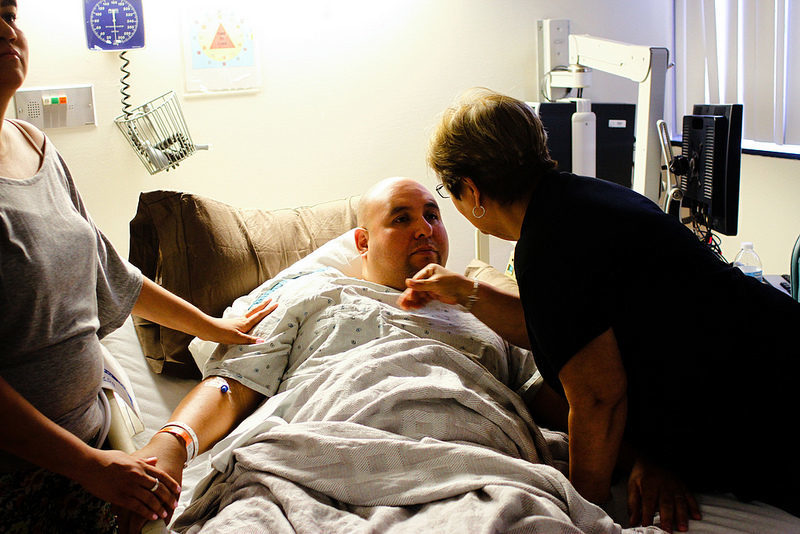
A new campaign from the NHS is prompting hospital staff to encourage patients to get up and change out of hospital gowns as soon as they are able to move around. Can we all agree, that in America, the butt-less gowns need to go?

Daily Mail reported:
The idea is that by bringing them closer to their regular routine, patients will gain the confidence they need to return home. In addition, keeping them upright and walking is intended to reduce the loss of mobility from a lengthy hospital stay and reduce associated problems such as pressure sores, all of which delay recovery.

For elderly patients, ten days of bed rest in hospital equates to ten years of muscle ageing, according to doctors - which could make the difference in simple activities such as getting out of bed or using the toilet unaided.

Health

Chronic disease: There is nothing inevitable or natural about it

big Pharma
© Dvortygirl/Flickr
In the 1830s, British settlers in New Zealand imported European rabbits for food and sport. With no native predators, the rabbits soon took over. Accounts from the period describe thousands of hectares run through with burrows, and huge tracts of arable land destroyed by overgrazing.

In a desperate bid to stem the scourge, the New Zealanders brought in a natural predator of the rabbit - ferrets. Without native predators to pick them off, the new imports did well. But they also played a prominent role in the decline of several endangered bird species, including the kiwi, the weka, and the kakapo. It's a familiar parable (Mark Twain even riffed on it) about unintended consequences, and the danger of applying reductionist logic to a world that is characterised by extraordinary interdependence and complexity.

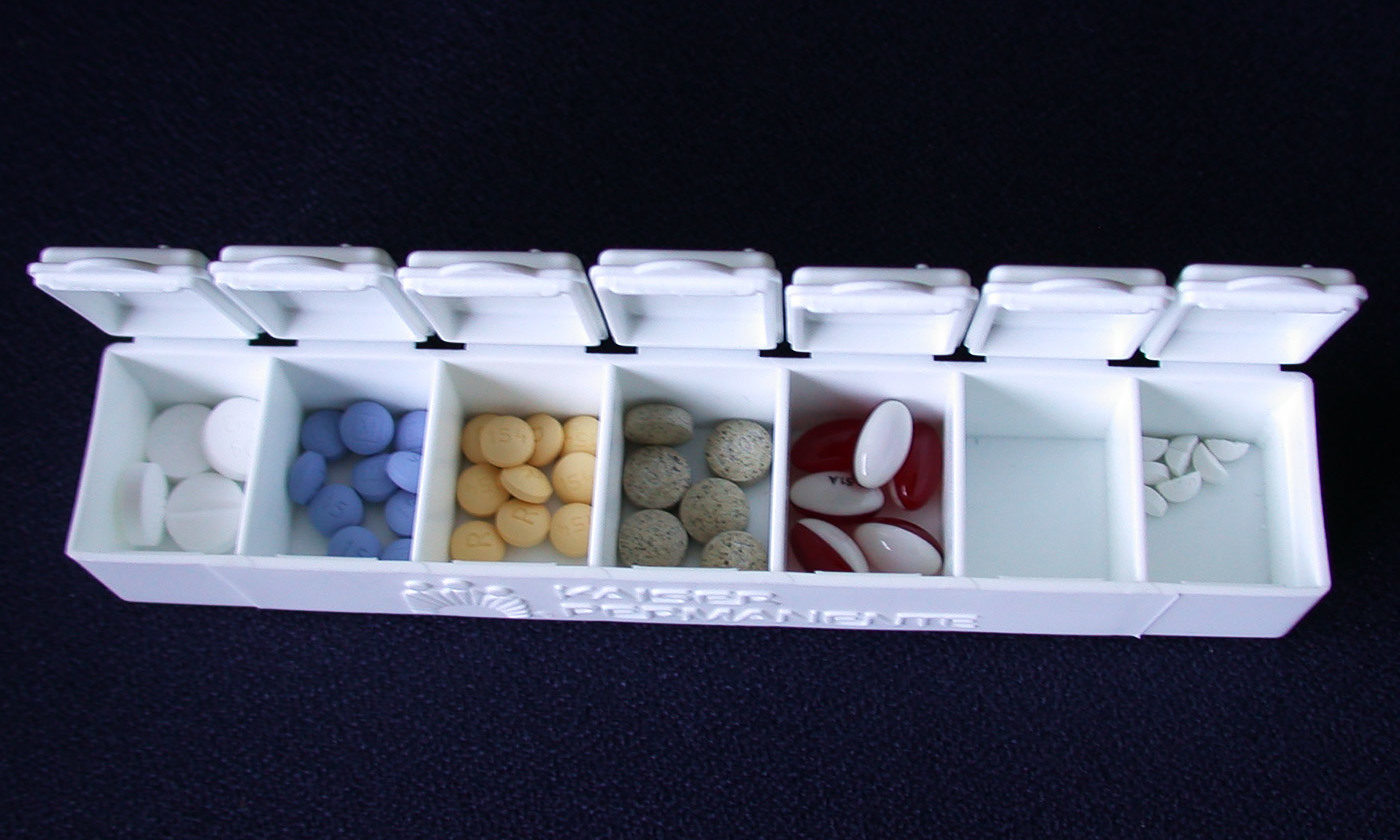
As a physician, I can't help but be reminded of ferrets in New Zealand as I write prescriptions for the drugs we use to manage chronic disease. Hydrochlorothiazide for high blood pressure. Sulfonylureas, a class of medication used to treat Type 2 diabetes. Statins for heart disease.

Don't get me wrong, these drugs work. They absolutely save lives. But the human body is a precisely interdependent system, and these drugs are like sledgehammers. The ferrets did kill rabbits, but they were such an indelicate intervention that they wrought their own special havoc on the native ecosystem. The kakapo might never again be seen on the New Zealand mainland. How much collateral damage are we inflicting on the human ecosystem with our powerful medicines?