OF THE
TIMES

There is a long list of educated people speaking out about this vaccine. This time around, it's Dr. Bernard Dalbergue, a former pharmaceutical industry physician with Gardasil manufacturer Merck who has started to raise his voice against the HPV vaccine, along with the pharmaceutical industry as a whole. He joins a long list of experts from within the industry who have slammed the rampant manipulation and control of clinical research done by the pharmaceutical industry.
This quote is taken from an interview that happened in April of 2014, from an issue of the French magazine Principes de Santé (Health Principles):"The full extent of the Gardasil scandal needs to be assessed: everyone knew when this vaccine was released on the American market that it would prove to be worthless. Diane Harper, a major opinion leader in the United States, was one of the first to blow the whistle, pointing out the fraud and scam of it all. I predict that Gardasil will become the greatest medical scandal of all time because at some point in time, the evidence will add up to prove that this vaccine, technical and scientific feat that it may be, has absolutely no effect on cervical cancer and that all the very many adverse effects which destroy lives and even kill, serve no other purpose than to generate profit for the manufacturers. Gardasil is useless and costs a fortune! In addition, decision-makers at all levels are aware of it! Cases of Guillain-Barré syndrome, paralysis of the lower limbs, vaccine-induced MS and vaccine-induced encephalitis can be found, whatever the vaccine." (source) - Dr. Bernard Dalbergue
Walking is a luxury in the West. Very few people, particularly in cities, are obliged to do much of it at all. Cars, bicycles, buses, trams, and trains all beckon.
Instead, walking for any distance is usually a planned leisure activity. Or a health aid. Something to help people lose weight. Or keep their fitness. But there's something else people get from choosing to walk. A place to think.
Wordsworth was a walker. His work is inextricably bound up with tramping in the Lake District. Drinking in the stark beauty. Getting lost in his thoughts.
Charles Dickens was a walker. He could easily rack up 20 miles, often at night. You can almost smell London's atmosphere in his prose. Virginia Woolf walked for inspiration. She walked out from her home at Rodmell in the South Downs. She wandered through London's parks.
Henry David Thoreau, who was both author and naturalist, walked and walked and walked. But even he couldn't match the feat of someone like Constantin Brancusi, the sculptor who walked much of the way between his home village in Romania and Paris. Or indeed Patrick Leigh Fermor, whose walk from the Hook of Holland to Istanbul at the age of 18 inspired several volumes of travel writing. George Orwell, Thomas De Quincey, Nassim Nicholas Taleb, Friedrich Nietzsche, Bruce Chatwin, WG Sebald and Vladimir Nabokov are just some of the others who have written about it.
Vitamin C, shingles, and vaccination
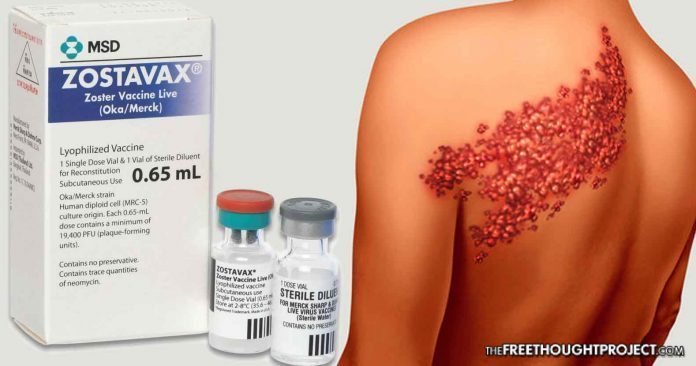
Frederick Klenner, MD, who pioneered the effective use of vitamin C in a wide variety of infections and toxin exposures, published the results of his vitamin C therapy on eight patients with shingles. He gave 2,000 to 3,000 mg of vitamin C by injection every 12 hours, supplemented by 1,000 mg in fruit juice by mouth every two hours. In seven of the eight patients treated in this manner, complete pain relief was reported within two hours of the first vitamin C injection.
Vitamin C has a general virus-inactivating effect, with herpes viruses being only one of many types of virus that vitamin C has neutralized in the test tube or has eradicated in an infected person (Levy, 2002). As with the inactivation seen with other viruses mixed with vitamin C in the test tube (in vitro), two early studies were consistent with the clinical results later seen with vitamin C in herpes infections. Vitamin C inactivated herpes viruses when mixed with them in the test tube (Holden and Resnick, 1936; Holden and Molloy, 1937).

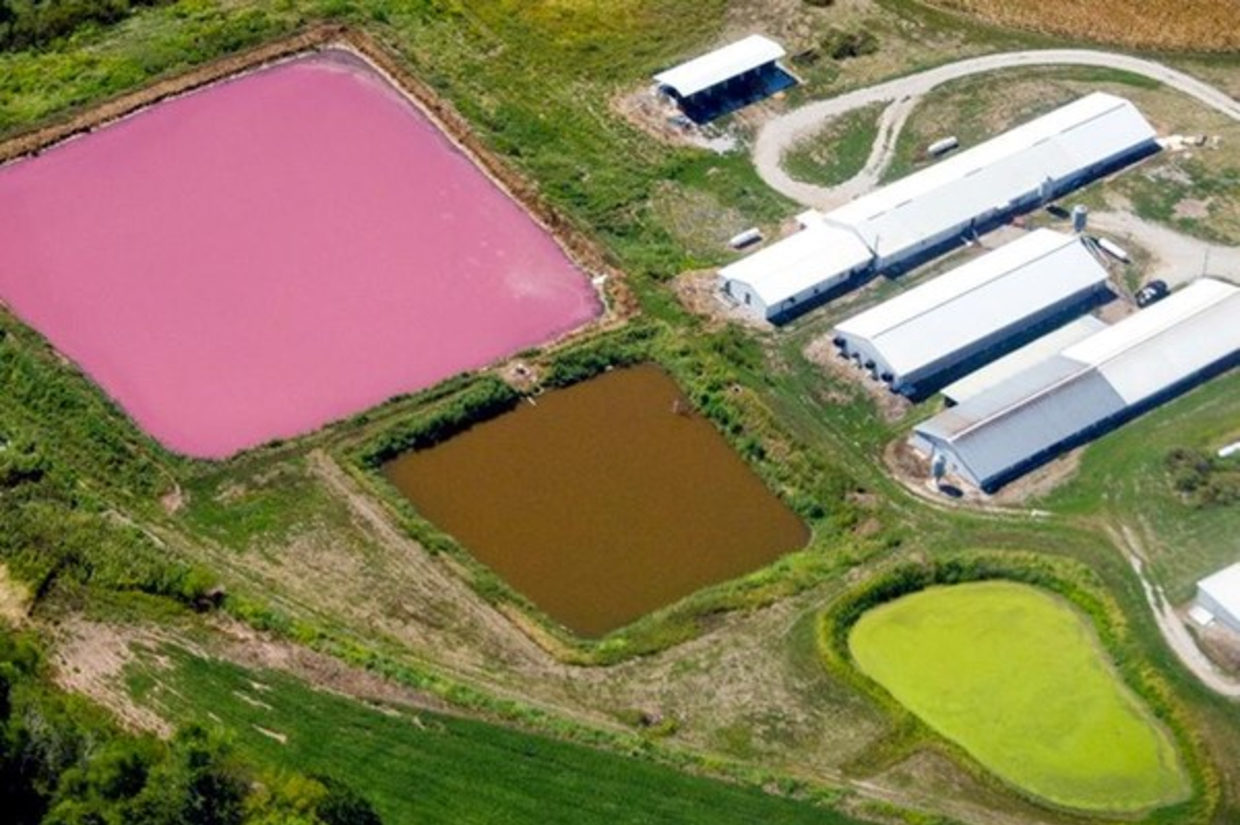
"In the words of the court, the risk of air emissions from CAFOs 'isn't just theoretical; people have become seriously ill and even died' from these emissions. But the public cannot protect itself from these hazardous substances if CAFOs aren't required to report their releases to the public. The loophole also prevented reporting of these toxics to local and state responders and the court held that plainly violated the law."CAFOs are large-scale livestock facilities that confine large numbers of animals in relatively small spaces. A large CAFO may contain upward of 1,000 cattle, 2,500 hogs or 125,000 chickens. Such facilities generate a massive amount of urine and feces, which is commonly liquefied and either stored under the facility or nearby in open-air lagoons. This waste is known to release high levels of toxic pollutants like ammonia and hydrogen sulfide into the environment.
Waste From CAFOs Compared to 'Mini Chernobyls'
When you raise tens of thousands of animals (and in the case of chickens, 100,000) under one roof, you're left with a load of waste. That manure, which traditionally was regarded as a valuable fertilizing byproduct when produced on a much smaller scale, has become one of the most polluting substances in the United States (even though federal legislature forbids animal waste from being defined as "hazardous").
The problem is, when it's produced in massive quantities, it certainly is hazardous. In a report of the Pew Commission on industrial farm animal production (IFAP),1 it's explained:The waste, which is typically stored in massive "lagoons," often leads to rivers of waste that flow from factory farms into the surrounding environment. As the film described, just one environmental consequence of this is the quick spread of Pfiesteria, a microscopic organism that feeds off the phosphorus and nitrogen found in manure."Animal waste in such volumes may exceed the capacity of the land to absorb the nutrients and attenuate pathogens. Thus, what could be a valuable byproduct becomes a waste that must be disposed of in an appropriate manner.The annual production of manure produced by animal confinement facilities exceeds that produced by humans by at least three times. Manure in such large quantities carries excess nutrients, chemicals, and microorganisms that find their way into waterways, lakes, groundwater, soils, and airways.Excess and inappropriate land application of untreated animal waste on cropland contributes to excessive nutrient loading and, ultimately, eutrophication of surface waters.IFAP runoff also carries antibiotics and hormones, pesticides, and heavy metals. Pesticides are used to control insect infestations and fungal growth.Heavy metals, especially zinc and copper, are added as micronutrients to the animal diet. Tylosin, a widely used antibiotic (macrolide) for disease treatment and growth promotion in swine, beef cattle, and poultry production, is an example of a veterinary pharmaceutical that decays rapidly in the environment, but can still be found in surface waters of agricultural watersheds."
Comment: The Health & Wellness Show: Some of my best friends are germs