Health & WellnessS


Alarm Clock

Too many children are taking melatonin when sleep hygiene should be the priority

child sleeping
© unknown
Melatonin is an important hormone produced by your body's pineal gland. One of its primary roles is regulating your body's circadian rhythm. When it gets dark, your brain starts secreting melatonin (typically around 9 or 10 p.m.), which makes you sleepy. Levels typically stay elevated for about 12 hours, then, as the sun rises, your pineal gland reduces your production, and the levels in your blood decrease until they're hardly measurable at all.

When your circadian rhythms are disrupted, such as from shift work, jet lag or nighttime light exposure, your body produces less melatonin. It's these instances when supplementing with small amounts of melatonin can be most useful, as it may help to reset your internal clock.1 However, a growing number of children are reportedly now taking the supplement to help them sleep, which could be associated with long-term risks.

Melatonin May Help Children With Certain Sleep Disorders

If your child has a unique medical need that makes nighttime sleep difficult, melatonin may be helpful and is likely safer than prescription sleep aids. One example would be children with autism, for whom sleep disorders are common and may intensify autistic symptoms. Melatonin has been found to help synchronize circadian rhythms and improve sleep quality and behavior in individuals with autism.2

Among children with attention deficit hyperactivity disorder (ADHD) and chronic sleep onset insomnia, melatonin was also found to be an effective therapy in 88 percent of cases even when used long-term, with no serious adverse events reported.3 Further, behavior and mood also improved in 71 percent and 61 percent of the cases, respectively.

Health

How to curb chronic inflammation

inflammation
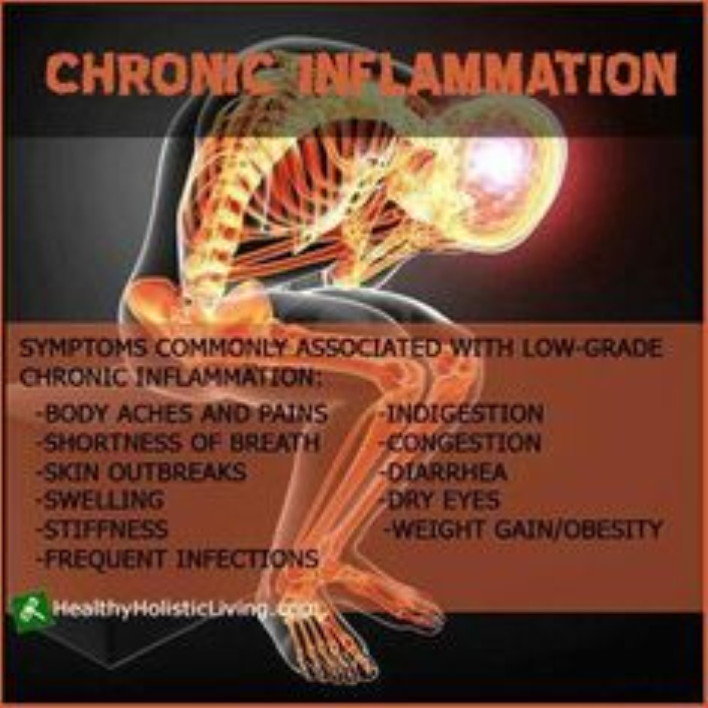
Coping with modern life can sometimes feel like a remorseless treadmill. Many of us end up exhausted, with a vague feeling that all this pressure can't be doing us any good. But we do it anyway, driven by the notion that stress is for wimps. And there's always a glass of wine and a takeaway to look forward to at the end of the week. Big mistake. Far from being for wimps, physical and psychological stress are major triggers of a modern scourge that has been linked with every malady from heart disease, depression and chronic pain to neurodegenerative diseases.

That scourge is inflammation. Until recently, we have known little about how what starts as a protective immune process in the body goes awry, and there have been frustratingly few evidence-based suggestions on what we should do about it. But now we are starting to learn more about how the process works, how it connects body and mind, and what we might do to keep it in check. This new understanding is leading to treatments that may finally let us douse this constant fire -- not by stopping it from happening, but by turning it off when it is no longer useful.

Such treatments could benefit the millions of people around the world who have chronic inflammatory conditions like rheumatoid arthritis, asthma and celiac disease. They could also assist those of us who want to have our cake, eat it and not end up inflamed. Finding a way to manage inflammation could help prevent modern life from damaging our long-term physical health.

Piggy Bank

The real reason the AHA still fear saturated fat?

bayer monsanto
So the American Heart Association (AHA) recently announced they still believe that natural saturated fats are bad, bad, bad. That's quite surprising considering all the new reviews of all relevant science showing zero evidence for that old and failed theory.

So how come the AHA still somehow manages to stay a believer? Who knows, maybe they'd rather not bite the hand that feeds them. It turns out they recently received a cool $500,000 as a little gift from the competing vegetable oil industry:
Soybean industry gives $500K to AHA which in recent advisory promotes soybean oil instead of sat fats. Related? https://t.co/KhoHzIrcRh

— Nina Teicholz (@bigfatsurprise) June 20, 2017


Comment: See also: Saturated Fat: Health Food or Health Hindrance?


Health

7 reasons to get more magnesium

green leaf
Magnesium is the fourth most abundant mineral in your body, and is the reason why vegetables are green. But few people fully appreciate the importance of this miraculous mineral.

The human genome project reveals that 3,751 human proteins have binding sites for magnesium.[i] And so far we know this one essential mineral activates over 350 biochemical processes in the body to keep things flowing.

Plants are green because they contain the light-harvesting molecule chlorophyll which bears a striking resemblance to human hemoglobin (with the difference that the latter contains an oxygen-binding iron atom and not magnesium).

Here are just seven good reasons to get more magnesium-rich foods in your diet today.

1. Prevent Migraines.

Comment: The Miracle of Magnesium


Syringe

Bravo! European Court issues common sense ruling on the link between vaccines and disease

vaccination
© Axel Schmidt / Reuters
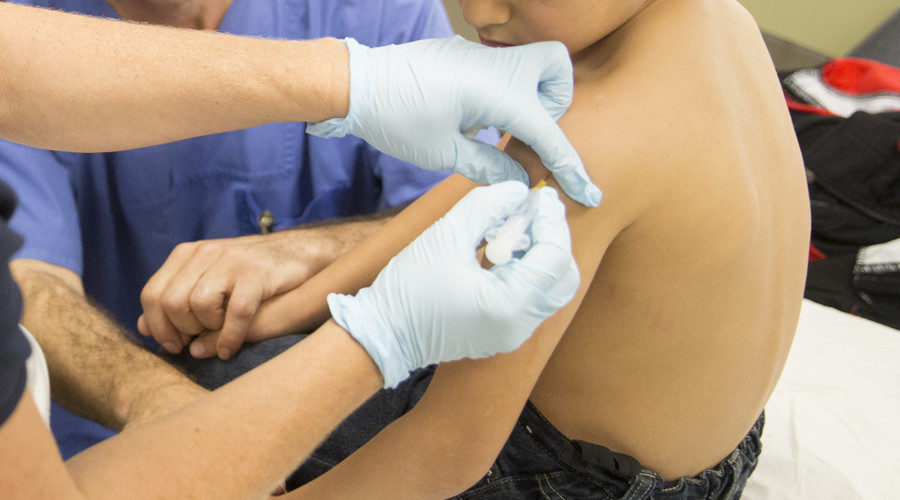
As the 'anti-vax' movement continues to gain traction across the globe, the EU's top court has ruled that vaccines can be blamed for diseases even when there isn't any proof they are responsible.

The European Court of Justice ruled on Wednesday that a vaccine can be considered defective - and thus the cause of a disease - if there is "specific and consistent evidence" related to when the vaccine was administered, the patient's previous state of health, the lack of family history of the disease, and a significant number of reported cases of the disease occurring following vaccination.

The court went on to state that such factors could lead a court to determine that "the administering of the vaccine is the most plausible explanation" for the disease, and that "the vaccine therefore does not offer the safety that one is entitled to expect," AP reported.

The ruling is related to the case of a Frenchman known as Mr. J.W., who was diagnosed with multiple sclerosis about a year after he was vaccinated against hepatitis B in the late 1990s.

The man and his family sued the vaccine's maker, Sanofi Pasteur, seeking compensation for the damage Mr. J.W. had suffered, allegedly from the hepatitis B vaccine.

Comment: The above is true in a small percentage of cases and it's the standard argument trotted out by vaccine proponents to scare everyone into compliance. People do get sick and die but there is no legitimate science behind the belief that vaccines are safe and actually prevent the diseases they are allegedly designed to eradicate. The harm that has resulted from worldwide vaccine campaigns far outweigh their mythical benefits.


Pills

Drug safety expert urges doctors to stop prescribing antipsychotic for insomnia

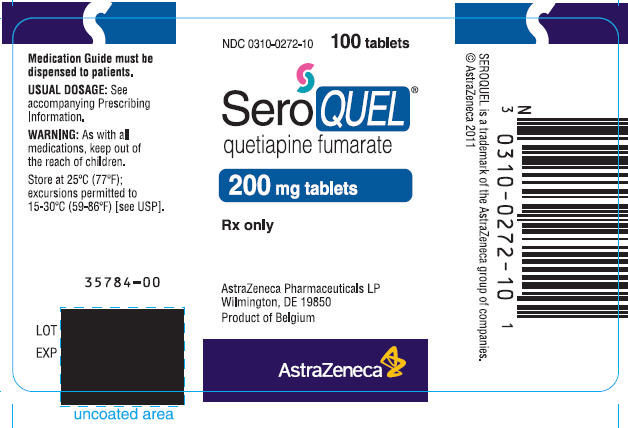
seroquel
Recently, after morning rounds seeing patients admitted to his hospital through emergency, Dr. David Juurlink tweeted: "Can the next doctor wanting to prescribe Seroquel for sleep," he said, "just not?"

Of the roughly 20 patients he saw that morning, four had been prescribed Seroquel, an antipsychotic, for insomnia.

Seroquel and its generics aren't approved as sleeping pills. Quetiapine, the active ingredient, has been officially approved in Canada for schizophrenia, bipolar disorder and major depression only. Yet drug safety experts are growing increasingly alarmed by the drug's use as a doctor-prescribed nightcap for insomnia, with a 10-fold increase in quetiapine prescriptions for sleep problems in Canada between 2005 and 2012 alone.

Quetiapine is sedating. Like over-the-counter sleep aids, it makes people drowsy. But it also comes with a multitude of potential side effects, experts say, including an odd sensation of tension and restlessness (akathisia), Parkinson's-like tremors and movement abnormalities, weight-gain, high blood sugar, new or worsening diabetes and, in rare cases, heart arrhythmia that can cause sudden cardiac death. A recent Health Canada review linked quetiapine and other so-called "atypical" antipsychotics to an increased risk of sleep apnea —breaks in breathing during sleep.

Juurlink, a clinical toxicologist at Sunnybrook Health Sciences Centre in Toronto, said quetiapine could also cause a particularly nasty complication known as neuroleptic malignant syndrome, a rare but potentially life-threatening reaction to antipsychotics or major tranquilizers. "Over the last decade, I have seen several patients who have had quetiapine as part of, or one of the contributing causes to NMS," said Juurlink, whose frustrated tweet to doctors last week was a repeat of one he has sent before.

Comment: You know it is pretty bad when you need a chemical lobotomy in order to sleep peacefully at night.

See also:


Health

Improve lymph flow and more with dry skin brushing

dry brush
Want to have smooth, drool worthy, silky skin? Can't get rid of cellulite? Have you ever tried dry brushing? This ancient technique, that only takes five minutes, is considered helpful for detoxification and supporting lymph flow, as well as balancing hormones and immune function.

Dry brushing is also known as an Ayurvedic practice called gharsana. It is commonly combined with drying and stimulating powdered herbs like trikatu (a blend of black pepper, long pepper, and ginger), triphala ( a blend of haritaki, bibhitaki, and amla fruits), or ginger to assist in unclogging pores, improving circulation and excreting toxins that get trapped beneath the skin.

Benefits of Dry Brushing

Our skin is our largest organ. We both detox and absorb through our skin. The job of our lymphatic system is to filter our blood and dispose of toxic and acidic waste. Without it, our tissue, organs, and cells would become overloaded with toxins. An unhealthy or sluggish lymph system could lead to a chronic fatigue, weakened immune system, bloating, aches and pains, cellulite, fibromyalgia, poor digestion, and so much more.

Health

Vagus nerve stimulation dramatically reduces inflammation and the symptoms of arthritis

vagus nerve
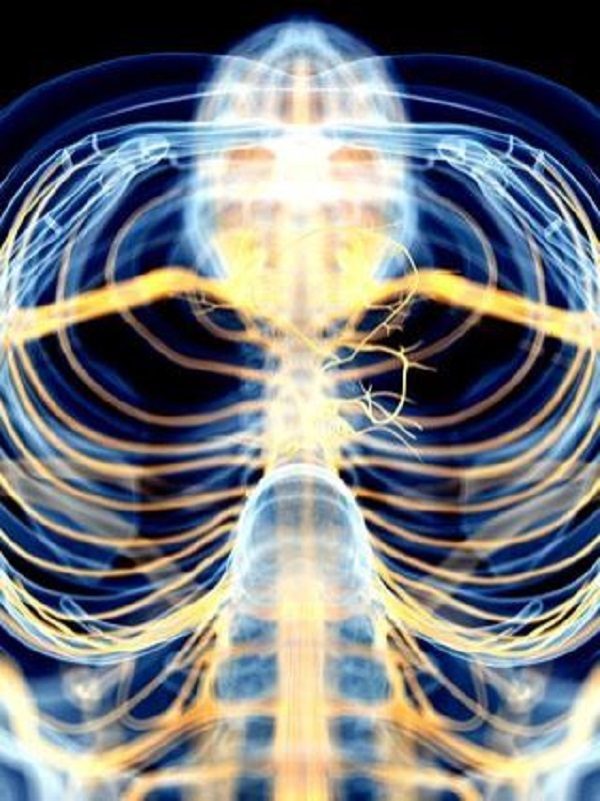
Vagus nerve in yellow.
Inflammatory responses play a central role in the development and persistence of many diseases and can lead to debilitating chronic pain. In many cases, inflammation is your body's response to stress. Therefore, reducing "fight-or-flight" responses in the nervous system and lowering biological markers for stress can also reduce inflammation.

Typically, doctors prescribe medications to combat inflammation. However, there's growing evidence that another way to combat inflammation is by engaging the vagus nerve and improving "vagal tone." This can be achieved through daily habits such as yoga and meditation—or in more extreme cases of inflammation, such as rheumatoid arthritis (RA)—by using an implanted device for vagus nerve stimulation (VNS).

The vagus nerve is known as the "wandering nerve" because it has multiple branches that diverge from two thick stems rooted in the cerebellum and brainstem that wander to the lowest viscera of your abdomen touching your heart and most major organs along the way. Vagus means "wandering" in Latin. The words vagabond, vague, and vagrant are all derived from the same Latin root.

Comment: Forget the drugs and the implants! For a free and easy way to stimulate your vagus nerve try Éiriú Eolas here.


Pills

Medical malpractice and misuse of antibiotics are leading to dangerous resistance

superbugs
Over a six-year period, Deepti Chavan received more than 400 injections, took as many as 20 pills a day and had a lung removed.

The drugs were so toxic that they changed the colour of her skin, damaged her hearing and vision, caused excruciating joint pain, triggered bouts of psychosis, left her constantly nauseous and unable to eat. At one point, she was a skeletal 70 pounds and coughing up blood daily.

Ms. Chavan lost track of how many times doctors told her family she would be better off dead. "I myself often felt that dying would be easier, too," she added.

Yet, Ms. Chavan considers herself lucky. She survived and was cured of tuberculosis - multidrug-resistant tuberculosis.

On Monday in Montreal, she told her MDR-TB ( multidrug-resistant strains) horror story to a rapt audience of the Global Health Program at McGill University.

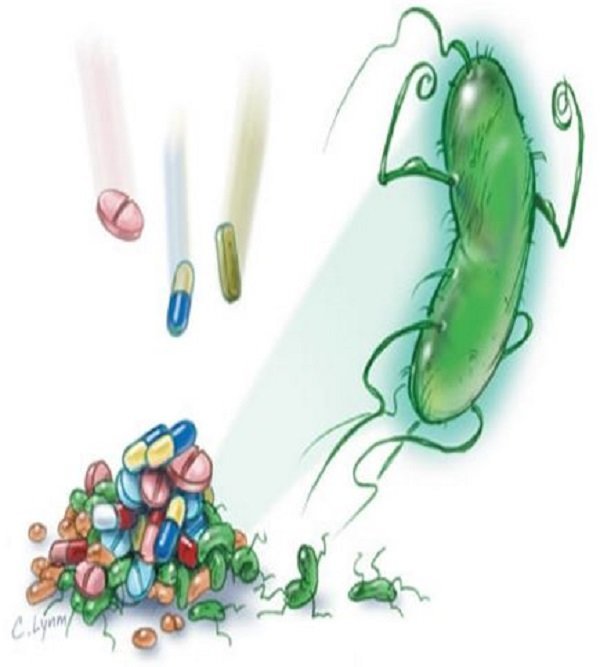
It is a cautionary tale, one that highlights how ancient diseases such as TB are not only making a comeback but becoming more deadly, how the misuse of antibiotics is leading to dangerous resistance and how good diagnostics are essential to successful treatment.

Magnify

Ebola virus leaves unique scar inside survivor's eyes

Ebola virus
© lmstockwork/Shutterstock
In some Ebola survivors, the virus leaves a unique scar at the back of the eye that can be seen long after they are cured of the disease, according to a new study.

Researchers analyzed information from 82 Ebola survivors in Sierra Leone and 105 people who lived in the area but never had Ebola. All participants took a vision test and had the back of their eyes examined with an ophthalmoscope. Among Ebola survivors, more than a year had passed, on average, between the time they were cured of the disease and the time of the eye exam.

When asked to read letters on an eye chart, the Ebola survivors tended to perform just as well as those who'd never had the disease, meaning their infection didn't seem affect their vision.

But about 15 percent of Ebola survivors had a unique scar on their retina — the light-sensitive tissue at the back of the eye. The people who had never contracted Ebola did not have this particular type of scar, the study found.