OF THE
TIMES
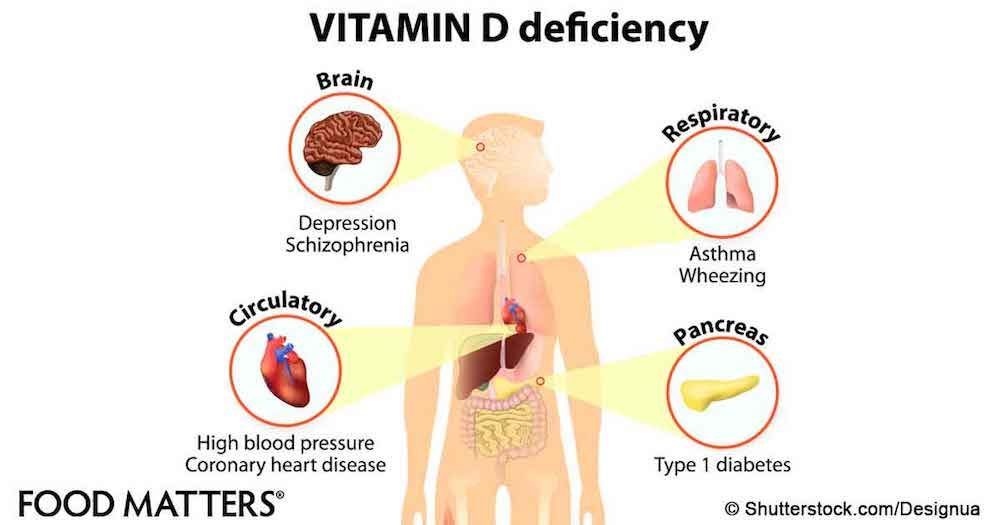
"Adolescents within tier 4 adolescent mental health services may be at higher risk of vitamin D deficiency and so assessment of vitamin D levels should be considered as part of a standard physical health review for this group of young people."So said the results reported by Neil Stewart & Simon Lewis [1] (open-access) who surveyed blood test results of patients admitted to a tier 4 psychiatric unit for vitamin D levels. Such a study was conducted on the basis that "it is plausible that vitamin D and/or vitamin D deficiency have a role in the pathogenesis of mental illness." Yes, indeed I might agree (see here and see here for examples).

Genetically engineered (GE) bacteria have been found in riboflavin vitamin supplements intended for animal feed use according to newly published EU tests.Similarly, a French testing laboratory found a riboflavin sample in 2015 contaminated with a probable identical bacterial strain also from China.
Contamination of food grade or animal feed supplements with GE bacteria is illegal in the European Union. In 2014, however, a German enforcement laboratory alerted EU officials to illegal GE bacterial contamination of a riboflavin supplement intended for animal feed. Further tests showed that the illegal contaminating strain was not among those the manufacturer claimed to be using.
The findings, just published in the journal Food Chemistry, were made by regulators from Germany and Italy who were sampling Chinese imports (Paracchini et al., 2017).
- Required is the voluntary, well-informed, understanding consent of the human subject in a full legal capacity.
- The experiment should aim at positive results for society that cannot be procured in some other way.
- It should be based on previous knowledge (e.g., an expectation derived from animal experiments) that justifies the experiment.
- The experiment should be set up in a way that avoids unnecessary physical and mental suffering and injuries.
- It should not be conducted when there is any reason to believe that it implies a risk of death or disabling injury.
- The risks of the experiment should be in proportion to (that is, not exceed) the expected humanitarian benefits.
- Preparations and facilities must be provided that adequately protect the subjects against the experiment's risks.
- The staff who conduct or take part in the experiment must be fully trained and scientifically qualified.
- The human subjects must be free to immediately quit the experiment at any point when they feel physically or mentally unable to go on.
- Likewise, the medical staff must stop the experiment at any point when they observe that continuation would be dangerous.
Comment: For more on the dangers of pharmaceuticals and the benefits of their plant/natural-based counterparts, check out the SOTT Health and Wellness show episode: