

- The simplified view of cholesterol as "good" (HDL) or "bad" (LDL) has contributed to the continuing heart disease epidemic
- Not all LDL cholesterol is created equal. Only small, dense LDL particles are associated with heart disease, whereas large, buoyant LDL are either benign or may protect against heart disease.
- Replacing saturated fats with carbohydrates - which has been recommended by the American Heart Association for decades - reduces HDL and increases small, dense LDL, both of which are associated with increased risk of heart disease.
- Dietary cholesterol has a negligible effect on total blood LDL cholesterol levels. However, eating eggs every day reduces small, dense LDL, which in turn reduces risk of heart disease.
- The best way to lower small, dense LDL and protect yourself from heart disease is to eat fewer carbs (not fat and cholesterol), exercise and lose weight.
By now most people have been exposed to the idea of "good" and "bad" cholesterol. It's yet another deeply ingrained cultural belief, such as the one I wrote about last week, that has been relentlessly driven into our heads for several decades.
But once we've put on our Healthy Skeptic goggles, which I know all of you fair readers have, we no longer simply believe what we're told by the medical establishment or mainstream media. Nor are we impressed or in any way swayed by the number of people that tell us something is true. After all, as Anatole France said, "Even if fifty million people say a foolish thing, it is still a foolish thing."
Words to live by.
The oversimplified view of HDL cholesterol as "good" and LDL cholesterol as "bad" is not only incomplete, it has also directly contributed to the continuing heart disease epidemic worldwide.
But before we discover why, we first have to address another common misconception. LDL and HDL are not cholesterol. We refer to them as cholesterol, but they aren't. LDL (low density lipoprotein) and HDL (high density lipoprotein) are proteins that transport cholesterol through the blood. Cholesterol, like all fats, doesn't dissolve in water (or blood) so it must be transported through the blood by these lipoproteins. The names LDL and HDL refer to the different types of lipoproteins that transport cholesterol.









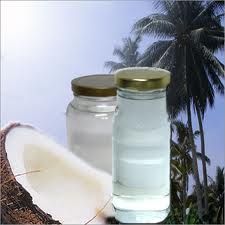





Comment: Coconut oil has many beneficial applications for both the exterior and interior of the body to learn more about the Creative Ways To Use Coconut Oil read the forum thread here.
In addition to treating acne and other skin aliments, coconut oil is a good source of saturated fat and an the 'antiviral of nature' in other words a powerful antibiotic and antiviral:
Think Olive Oil is Good? Coconut Oil is Supreme!
Nature's Candida Cure: Coconut Oil Solves Yeast Problems
This Cooking Oil is a Powerful Virus-Destroyer and Antibiotic...
From the article: