Health & WellnessS


Cheeseburger

No More Food Pyramid: Nutritional Icon Is Now a Plate

Food plate icon
The food pyramid that represented a healthy diet for almost 20 years now gives way to a food plate, the U.S. Department of Agriculture announced today.

First lady Michelle Obama, Surgeon General Regina Benjamin and Secretary of Agriculture Tom Vilsack unveiled the new icon. It's called MyPlate, and it has four colored sections representing fruits, vegetables, grains and proteins. Next to the plate is a smaller circle representing dairy products.

"MyPlate is a truly simple, powerful visual cue to help people adopt healthy eating habits at meal times," said Vilsack.

On MyPlate's website, the USDA emphasizes several important nutrition messages: eat smaller portions, make at least half the plate fruits and vegetables and avoid sugary drinks.

Nutrition experts believe a plate is a good choice.

"It answers the simple question, 'What should my plate look like at any given meal?'" said Baltimore nutritionist Monica Reinagel.

Ambulance

Killer Germ: First Outbreak of "Rare" Microbe - Speculation that Cucumbers from Spain Were the Culprit Has Been Discarded

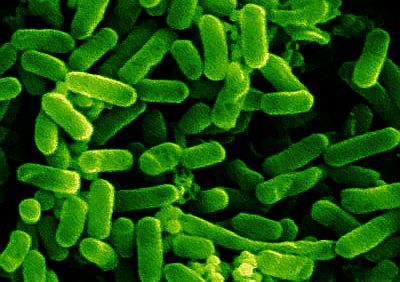
The strain of a lethal bacteria that has killed 18 people in Europe is "very rare" and had never been seen in an outbreak form before, the World Health Organisation (WHO) said on Thursday.

"This strain isolated from cases in the infection outbreak in Germany has never been seen in an outbreak before," Gregory Hartl, the WHO spokesman, said.

"It has been seen in sporadic cases and is very rare," he added.

The European Union's watchdog for disease prevention said Thursday that lab tests had identified the strain of a lethal E. coli germ that had caused an amplifying food scare.

In a statement, the European Centre for Disease Prevention and Control (ECDC) said the "causative agent" was a member of a group of bacterial strains called Shiga toxin-producing Escherichia coli, or STEC.

Eighteen people have been killed in Europe -- 17 of them in Germany and one in Sweden -- and more than 2,000 have fallen sick from the bug since Germany first sounded the alarm on May 22, according to a toll compiled by AFP on Thursday from national health authorities.

Ambulance

E coli Outbreak: WHO Says Bacterium is a New Strain

Image
World Health Organisation says fatal E coli is a mutant blend of two different varieties and has never been seen before

A new and more virulent strain of the E coli bacterium caused the outbreak that has killed 17 people and left more than 1,500 ill across Europe, the World Health Organisation has announced.

Hilde Kruse, a food safety expert at the WHO, told the Associated Press it was "a unique strain that has never been isolated from patients before ... [its characteristics] make it more virulent and toxin-producing".

According to the Health Protection Agency three British nationals have been infected as well as four Germans in the UK. All are believed to have caught it in Germany. Three are believed to have developed haemolytic uraemic syndrome, a rare and severe kidney complication that destroys red blood cells and can affect the central nervous system.

The HPA has said it is working with the Food Standards Agency and there is no evidence of suspect produce being distributed in the UK.

No Entry

Russia bans European vegetables over infection risk


As German doctors are looking for the source of the deadly bacterial intestinal disease, Russia has decided to ban the import of all fresh vegetables from Europe.

The temporary ban imposed Thursday enhances the previous regulation, which only covered cucumbers imported from Spain and Germany. Cucumbers were believed to be behind the pathogenic strain of E. Coli, but the assumption was later proved wrong.

The ban will be in force for as long as is necessary to protect Russian residents from the poisoning risk, Russia's sanitary regulator said. The initial import restriction was imposed on Monday.

The European Commission deems the ban of all vegetables "disproportionate" and is to send an official request to clarify the situation to the Russian watchdog in a matter of days, said a spokesman for the EU Commissioner for public health, John Dalli.

Beaker

The Dirty Truth About High Fructose Corn Syrup...

Image
© highfructosecornsyrup.org
Editor's Note: Today's article is a guest post from Jonny Bowden, PhD, CNS, also known as The Rogue Nutritionist, a nationally known expert on weight loss and nutrition.

I am in awe of the recent TV commercials where two mothers are talking and one questions the other about serving some sweetened fruit punch to her kids. The first mother says, "That stuff's got high fructose corn syrup in it, and you know what they say about that."

To which the second mother replies, "What? That it's natural and made from corn? And that in moderation, it's perfectly fine?"

Clever commercial. And utterly misleading.

Comment: For a more in depth look at how misleading High Fructose Corn Syrup advertisements can be read the following articles explaining why renaming this toxic substance 'Corn Sugar' is downright deceptive:

How Sweet It Isn't! Cutting Through the Hype and Deception of High Fructose Corn Syrup
More Hype: Corn Syrup Producers Want Sweeter Name: Corn Sugar
Corn Syrup May Get a New Name...Nice Try
Don't Sugar-Coat High-Fructose Corn Syrup
The High Fructose Corn Syrup Monopoly is Finally Cracking


Attention

Just what the doctor ordered: Pill could erase painful memories

Image
© Unknown
What if you could take a pill and erase painful memories? Most of us would probably choose not to lose parts of our past, but for those with post-traumatic stress disorder, such a pill might bring welcome relief.

In a study that sounds very much like a scene from the movie Eternal Sunshine of the Spotless Mind, researchers have shown that the right medication might actually help rub out wrenching remembrances.

For the new study, researchers rounded up 33 university students and asked them to watch a video presentation that told the story of a little girl who has a horrible accident while visiting with her grandparents. While the girl and her grandfather are constructing a birdhouse, one of the little girl's hands gets caught in a saw. One of the pictures shown to the study volunteers is of her mangled hand.

Though the girl's hand is eventually saved at the hospital and the story ends fine, the presentation is tough to sit through and tends to cause viewers emotional distress, explains the study's lead author Marie-France Marin, a doctoral student at The Center for Studies on Human Stress at the University of Montreal. "It's not fun to watch," she says. "It induces a lot of emotion."

Attention

Genetically Engineered Food Alters Our Digestive Systems!

Image
© Alliance for Natural Health
Genetically Engineered organisms actually become part of the bacteria in our digestive tracts and reproduce continuously inside us. But the USDA now wants to to remove all controls from GE corn and cotton!

There are no human clinical trials of genetically engineered foods. The only published human feeding experiment revealed that genetic material inserted into GE soy transfers into the DNA of bacteria living inside our intestines and continues to function. Even after we stop eating GE foods, we may still have the GE proteins produced continuously inside us.

As the Institute for Responsible Technology has noted, the genetic engineering process creates massive collateral damage, causing mutations in hundreds or thousands of locations throughout the plant's DNA. Natural genes can be deleted or permanently turned on or off, and hundreds may change their behavior. Even the inserted gene can be damaged or rearranged, and may create proteins that can trigger allergies or promote disease.

Heart

Courageous British Mum Says Smoking During Her Pregnancy Helped Make Her Baby Stronger

Image
© Bancroft Media
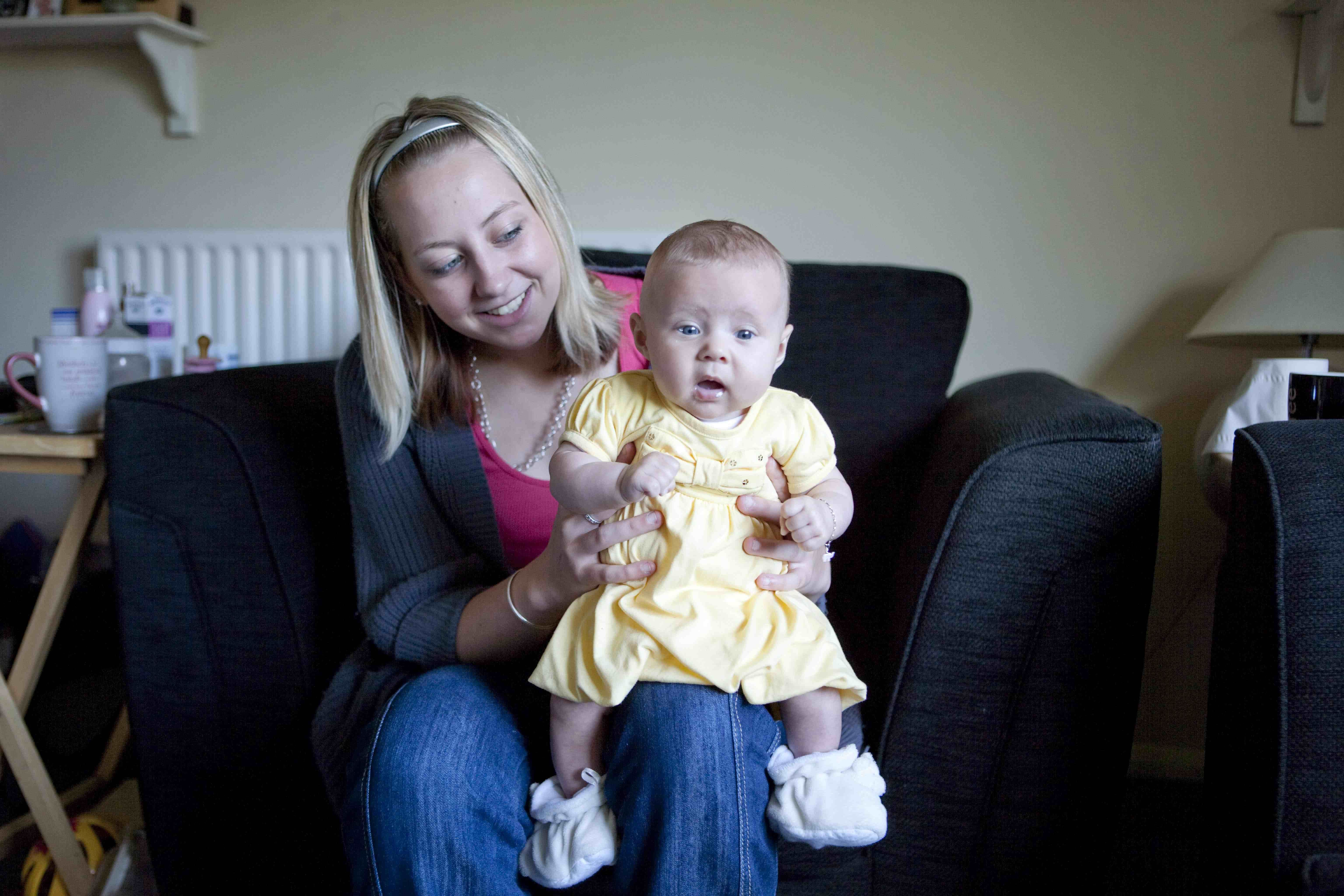
A young mother who smoked 15 - 20 cigarettes a day during pregnancy claimed it helped to make her baby stronger.

Charlie Wilcox, 20, from Rainham, Kent, was warned that smoking while pregnant restricted the amount of oxygen available to her unborn baby. However, she believed that this would make her unborn baby's heart work harder.

Appearing on BBC3's Misbehaving Mums To Be, she said: It's making the baby use its heart on its own in the first place, so that when it comes out, its going to be able to do those things by itself.

"Where's the proof that it's so bad to smoke?

When pregnant, tests showed that the levels of carbon monoxide in Ms Wilcox's blood were six times higher than those considered safe.

Comment: Notice how the article is loaded with statements of fact. But like Charlie, we find ourselves asking, where's the proof?

Lies, Damned Lies & 400,000 Smoking-related Deaths: Cooking the Data in the Fascists' Anti-Smoking Crusade

Smoking Helps Protect Against Lung Cancer

Health Benefits of Smoking Tobacco

Nicotine and Autism: Another study demonstrates nicotine's neurological benefits

Warning: Nicotine Seriously Improves Health


Cell Phone

WHO Warns of Possible Link Between Cell Phone Use, Brain Cancer Risk

Image
© UnknownExtra! Extra! WHO finally figures out what has been known since the 80's!
The World Health Organization (WHO) has determined that radiation from cell phones can possibly increase brain cancer risk - a change in thinking for an organization that previously has denied evidence of any such link.

The decision is based on the judgment of a group of 31 scientists from 14 countries including the United States who reviewed a collection of the latest research while in France earlier this month.

The decision is sobering considering there are some 5 billion cell phones in use now.

"The WHO/International Agency for Research on Cancer (IARC) has classified radio-frequency electromagnetic fields as possibly carcinogenic to humans... based on an increased risk for glioma, a malignant type of brain cancer1, associated with wireless phone use," WHO reports.

WHO recommends that users limit their exposure to such radiation if possible, though also said more research is needed to verify an absolute link between cell phone use and cancer (the scientists also studied occupation exposure to radar and microwaves as well as environmental exposure to radio, TV and wireless communications signals.

Comment: What if the title were: "WHO says there IS a Link Between Cell Phone Use and Brain Cancer" without all the Possible, sort of, maybe, kind of, risky or could be?


Cow

The Soft Science of Dietary Fat

Image
© primalbody-primalmind.com
When the U.S. Surgeon General's Office set off in 1988 to write the definitive report on the dangers of dietary fat, the scientific task appeared straightforward. Four years earlier, the National Institutes of Health (NIH) had begun advising every American old enough to walk to restrict fat intake, and the president of the American Heart Association (AHA) had told Time magazine that if everyone went along, "we will have [atherosclerosis] conquered" by the year 2000. The Surgeon General's Office itself had just published its 700-page landmark "Report on Nutrition and Health," declaring fat the single most unwholesome component of the American diet.

All of this was apparently based on sound science. So the task before the project officer was merely to gather that science together in one volume, have it reviewed by a committee of experts, which had been promptly established, and publish it. The project did not go smoothly, however. Four project officers came and went over the next decade. "It consumed project officers," says Marion Nestle, who helped launch the project and now runs the nutrition and food studies department at New York University (NYU). Members of the oversight committee saw drafts of an early chapter or two, criticized them vigorously, and then saw little else.

Finally, in June 1999, 11 years after the project began, the Surgeon General's Office circulated a letter, authored by the last of the project officers, explaining that the report would be killed. There was no other public announcement and no press release. The letter explained that the relevant administrators "did not anticipate fully the magnitude of the additional external expertise and staff resources that would be needed." In other words, says Nestle, the subject matter "was too complicated." Bill Harlan, a member of the oversight committee and associate director of the Office of Disease Prevention at NIH, says "the report was initiated with a preconceived opinion of the conclusions," but the science behind those opinions was not holding up. "Clearly the thoughts of yesterday were not going to serve us very well."

During the past 30 years, the concept of eating healthy in America has become synonymous with avoiding dietary fat. The creation and marketing of reduced-fat food products has become big business; over 15,000 have appeared on supermarket shelves. Indeed, an entire research industry has arisen to create palatable nonfat fat substitutes, and the food industry now spends billions of dollars yearly selling the less-fat-is-good-health message. The government weighs in as well, with the U.S. Department of Agriculture's (USDA's) booklet on dietary guidelines, published every 5 years, and its ubiquitous Food Guide Pyramid, which recommends that fats and oils be eaten "sparingly." The low-fat gospel spreads farther by a kind of societal osmosis, continuously reinforced by physicians, nutritionists, journalists, health organizations, and consumer advocacy groups such as the Center for Science in the Public Interest, which refers to fat as this "greasy killer." "In America, we no longer fear God or the communists, but we fear fat," says David Kritchevsky of the Wistar Institute in Philadelphia, who in 1958 wrote the first textbook on cholesterol.

As the Surgeon General's Office discovered, however, the science of dietary fat is not nearly as simple as it once appeared. The proposition, now 50 years old, that dietary fat is a bane to health is based chiefly on the fact that fat, specifically the hard, saturated fat found primarily in meat and dairy products, elevates blood cholesterol levels. This in turn raises the likelihood that cholesterol will clog arteries, a condition known as atherosclerosis, which then increases risk of coronary artery disease, heart attack, and untimely death. By the 1970s, each individual step of this chain from fat to cholesterol to heart disease had been demonstrated beyond reasonable doubt, but the veracity of the chain as a whole has never been proven. In other words, despite decades of research, it is still a debatable proposition whether the consumption of saturated fats above recommended levels (step one in the chain) by anyone who's not already at high risk of heart disease will increase the likelihood of untimely death (outcome three). Nor have hundreds of millions of dollars in trials managed to generate compelling evidence that healthy individuals can extend their lives by more than a few weeks, if that, by eating less fat (see sidebar on p. 2538). To put it simply, the data remain ambiguous as to whether low-fat diets will benefit healthy Americans. Worse, the ubiquitous admonishments to reduce total fat intake have encouraged a shift to high-carbohydrate diets, which may be no better--and may even be worse--than high-fat diets.