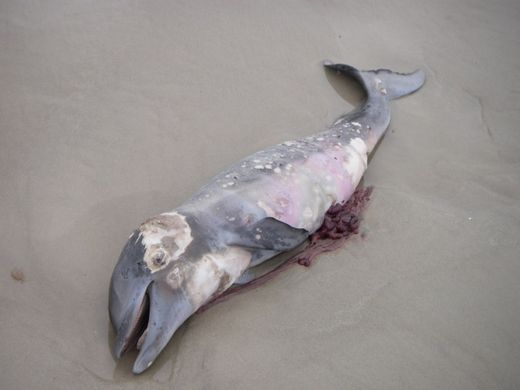
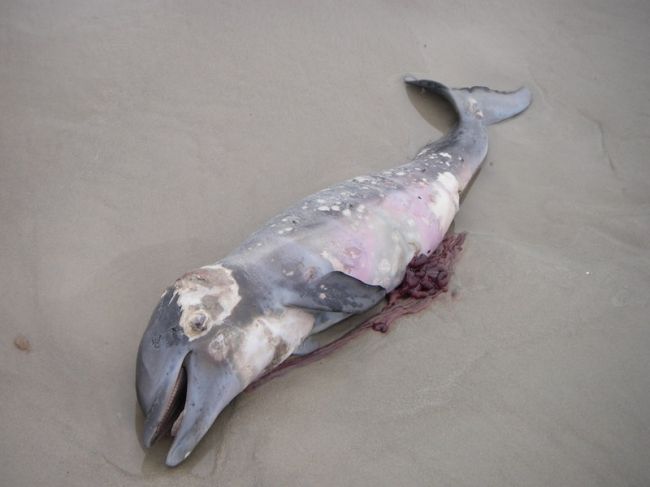
© Unknown
Willie Seaman of Irvington, AL, lays carpet and floors for a living. But last summer, as the BP well gushed thousands of barrels of oil daily into the Gulf, Seaman signed up with the BP cleanup program, working on a shrimp boat several miles off shore.
It was brutally hot and the smell of oil was putrid, Seaman remembers. His job was to use a net to try to pull in the thick, reddish BP crude that he says was up to a foot thick in places. Problem was, the white protective suits didn't do much to keep the oil off, Willie recalls. Instead, he says they acted like absorbent pads, soaking up the oil that would rub against his skin.
Seaman says before long he started breaking out in blistery red hives on his hands and feet. The itching was so bad a coworker said Seaman would scrub his feet with a wire brush until his skin sloughed off like scales of a fish. Despite shots of steroids and numerous doctor visits, Seaman endured countless bouts of painful hives; and he still gets them, he says, especially after eating seafood from the Gulf. He also says he knows others who have broken out in hives after eating seafood.
"They took advantage of everyone down here because we were all poor and broke," he says. "They told us in
hazwhoper class that we didn't have to worry about the toxins because the oil was weathered and there were no fumes. We'll it was so bad my eyes were on fire and I had tears running down my throat."




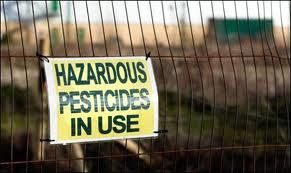












Comment: Read the following articles for more information about pesticides and the risks posed to children from pesticide exposure through the environment and water:
Study Finds: Risk to kids from toxic pesticides may be underestimated
Research Links Pesticides with ADHD in Children
U.S. Study: Pesticides Tied to ADHD in Children
From the Fields to Inner City, Pesticides Affect Children's IQ
Fruit and Vegetables Have 'Unacceptable' Levels of Pesticides
Farm Workers and Allies Ask Government to Protect Kids From Toxic Pesticide Drift
Video: Pesticides Tied to ADHD in Children