Health & WellnessS


Hiliter

Gluten found to be a cause of autoimmune hair loss

Image
To date, there have been 100′s of symptoms, syndromes, and diseases linked to gluten exposure for those with gluten sensitivity. One of these little known diseases is alopecia areata (autoimmune hair loss). This condition can effect men and women and typically manifests as circular balding patches over the head. Other forms of autoimmune hair loss can cause total baldness and in even more severe cases, can lead to universal body hair loss. The study below illustrates the connection between celiac disease and autoimmune alopecia.
A patient with coeliac disease presenting alopecia areas as the only symptom is described. Alopecia disappeared completely after a few months of strict gluten free diet and reappeared after an unintentional prolonged introduction of gluten. After a severe gluten free diet, a new and persistent hair growth in the alopecia areas was observed. The possibility a direct relationship in some cases, between coeliac disease and alopecia areata is confirmed.Minerva Gastroenterol Dietol. 1999 Dec;45(4):283-5.
Gluten Can Cause Nutritional Hair Loss as Well...

Aside from causing autoimmune hair loss, gluten can cause malnutrition leading to nutritional forms of alopecia. One of the primary side effects of gluten is damage to the intestinal lining. This damage can lead to malabsorption of vitamins and minerals

The loss of nutrients long term can contribute to many problems, one of which is hair loss. For example, gluten intolerance and sensitivity can create nutritional deficiencies in protein, iron, vitamin C, calcium, selenium, B-vitamins, and many others necessary to maintain proper and healthy hair growth.

Watch the video for more on gluten and nutritional deficiencies...

Comment: For more information on how to deal with this Cereal Killer, check out Life Without Bread.


Muffin

These 4 foods accelerate AGING (beware!)

Due to biochemical reactions in your body that occur with every type of food you eat on a daily basis, some foods age you FASTER than your real age, while other foods help to FIGHT aging.

Eat the wrong foods regularly, and you can look and feel 10 or more years OLDER than your real age (not fun!) ... but eat the right foods, and over time, you can start to look 5-10 years YOUNGER than your real age.

Three of the processes that go on inside your body that have a MAJOR impact on your rate of aging are called "glycation", "inflammation", and "oxidation". When we talk about aging, we're not just talking about wrinkles on your skin or how thick your hair is... we're also talking about factors that you can't see, such as how well your organs function, and whether your joints are degrading.

Yes, I'm sure you'll agree this is much more important than just how you look superficially (although we'll show you how to improve BOTH!)

So let's dig right in and I'll show you how your rate of aging can be directly related to the foods you might eat every day, and how to protect yourself...

Food #1 that ages you faster: Wheat (yes, even "whole wheat")
Image
Before I tell you why wheat can actually speed up the aging process in your body, let's clarify some simple biochemistry in your body...

This deals with "glycation" in your body, and substances called Advanced Glycation End Products (AGEs). These nasty little compounds called AGEs speed up the aging process in your body including damage over time to your organs, your joints, and of course, wrinkled skin.

So with that said, what is one of the biggest factors that increase production of AGEs inside your body? This may surprise you, but high blood sugar levels over time dramatically increase age-accelerating AGEs in your body. This is why type 2 diabetics many times appear that they have not aged well and look older than their real age. But this age-increasing effect is not just limited to diabetics.

So, let's get back to how "whole wheat" relates to this...

Comment: So the question remains, what to eat? See our forum discussion Life Without Bread and Ketogenic Diet for a rejuvenating diet and lifestyle.


Cheeseburger

Nova Scotia health official traces source of E. coli outbreak to lettuce

KFC
© Medical Daily
Halifax, Canada - Health officials say lettuce at KFC and Taco Bell locations is the likely source of a recent outbreak of gastro-intestinal illness caused by E. coli bacteria in Nova Scotia, New Brunswick and Ontario.

Dr. Frank Atherton, Nova Scotia's deputy chief medical officer of health, says investigators believe that lettuce distributed to the fast-food outlets is behind the outbreak.

He says lettuce has a short shelf life and no new cases have been reported in more than a week, so it's unlikely the lettuce is still in the food chain.

But as an added precaution, Atherton says the Canadian Food Inspection Agency is recalling the lettuce believed to be at the centre of the outbreak.

Health

Flashback The shocking lack of evidence supporting flu vaccines

Flu Jab
© GreenMedInfo
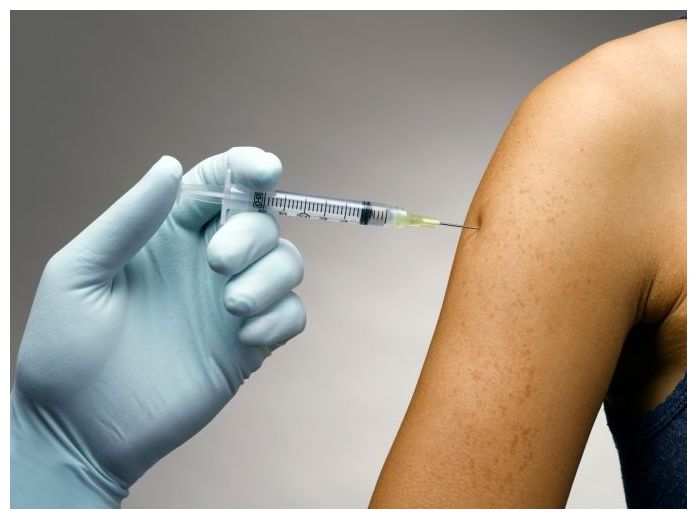
With the flu season ramping up, many are looking to vaccination as a "preventive" approach. Those who abstain are often accused of being uneducated, or worse, socially irresponsible. Nothing could be further from the truth.

As it presently stands, it is not sound medical science, but primarily economic and political motivation which generates the immense pressure behind mass participation in the annual ritual of flu vaccination.

It is a heavily guarded secret within the medical establishment (especially within the corridors of the CDC) that the Cochrane Database Review, which is the gold standard within the evidence-based medical model for assessing the effectiveness of common medical interventions, does not lend unequivocal scientific support to the belief and/or propaganda that flu vaccines are safe and effective.

To the contrary, these authoritative reviews reveal there is a conspicuous absence of conclusive evidence as to the effectiveness of influenza vaccines in children under 2, healthy adults, the elderly, and healthcare workers who care for the elderly.

What is even more disconcerting is that only one safety study on inactivated flu vaccines has been performed in children under 2 (the population most susceptible to adverse reactions), even though in the USA and Canada current guidelines recommend the vaccination of healthy children from six months old.

Another alarming finding following the global pandemic declared by the World Health Organization in 2009, is that receipt of the seasonal flu vaccine among Canadians actually increased the rate of medically attended pandemic H1N1 infection. Vaccines, therefore, may actually decrease resistance to viral infection via their immunosuppressive actions. View study.

Pills

Positive spin put on many drug trials despite results, study finds

Pills
© Inconnu
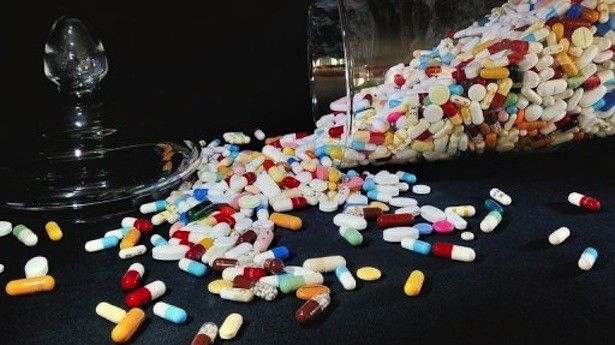
Not all patient drug trials published in even the most prestigious of medical journals can be taken as gospel, say researchers, who have found a high proportion of "spin and bias" in the reporting of results.

In a review of 164 breast-cancer trials, researchers at the Princess Margaret Cancer Centre in Toronto found that reports of almost two-thirds of the studies that showed no real benefit of treatment focused on less important outcomes to give a more positive spin to results.

"Sometimes studies that are basically negative studies are a little bit dressed up to look as though they may be positive," said Dr. Ian Tannock, a medical oncologist who led the study published this week in the journal Annals of Oncology.

"It's like the politicians. Trying to make things look better than they are."

The study focused on what is known as a trial's "abstract," the summary of how the research was done and its major results and side effects. The key result is the "endpoint" - in this case, whether the drug in question did what it was supposed to do in patients or not.

The 164 studies appeared from 1995 to 2011, many of them in premier medical publications such as the Journal of Clinical Oncology, Lancet Oncology and the New England Journal of Medicine. All were randomized control trials of at least 250 patients each, which typically tested a new drug or compared a new drug to an existing medication.

Health

Flu reaches epidemic level in U.S.: CDC says

Image
© Credit: REUTERS/Brian Snyder
Influenza has reached epidemic proportions in the United States, with 7.3 percent of deaths last week caused by pneumonia and the flu, the U.S. Centers for Disease Control and Prevention said on Friday.

That is above the epidemic threshold of 7.2 percent, CDC said. Nine of the 10 regions of the United States had "elevated" flu activity, confirming that seasonal flu has spread across the country and reached high levels several weeks before the usual time of late January or February. The other U.S. region, the Southwest and California, had "normal" flu activity last week.

The vaccine against the flu strains that were forecast to predominate this year is 62 percent effective, scientists reported on Friday in the CDC's weekly publication.

That is considered "moderate" effectiveness and means that almost four in 10 people who receive the vaccine and are exposed to the virus will nevertheless become infected.

Pills

Merck halts sale of niacin drug in 40 countries

Image
© iStockphoto.comTredaptive, a booster of good cholesterol, is dead.
Drugmaker Merck just stuck a fork in a vitamin-based drug to prevent heart disease and stroke.

The company is withdrawing Tredaptive, a long-acting pill combining niacin (No. 3 in the long list of B vitamins) and laropripant, a chemical that reduces the unpleasant skin flushing caused by high doses of niacin.

Tredaptive was never approved in the U.S. - the Food and Drug Administration rejected the drug under another name in 2008. But now Merck is taking the medicine off the market in 40 countries where it has been sold. The company also told doctors to stop prescribing it.

Merck said in December that a big study found the drug didn't work. What's more, people taking it had more serious side effects than those who got a placebo. People in both groups also got simvastatin (sold under the brand-name Zocor) to lower their bad cholesterol, or LDL.

Tredaptive seemed like a great idea - on paper.

Pills

FDA orders sleep drug makers to reduce dosage

Image
US authorities ordered sleep drug makers to lower their recommended dosage because evidence shows some people wake up groggy and not in the best shape to do things like drive.

The active ingredient to combat insomnia is called zolpidem and is contained in drugs like Ambien, Edluar and Zolpimist.

The order for labs to cut their recommended dosage came from the Food and Drug Administration.

It said new data showed zolpidem blood levels in some patients may be high enough the morning after people take them to hinder activities requiring maximum alertness, such as driving.

Evil Rays

The irradiation loophole

Image
© Alliance for Natural Health
Is this the FDA's idea of food safety?

The Food Safety Modernization Act (FSMA) became law in 2010. We, along with other consumer groups, were able to block some of the worst provisions of the proposed bill, but it was still flawed legislation as passed. The basic problem is that every time food safety problems emerge, the government gives a pass to the big industrial farms where the problems originate.

The FDA has just proposed two new rules as part of the act's implementation. Not surprisingly they appear to have been heavily influenced by the same special interests responsible for many of the dangers to our foods: the chemical, radiology, and meat industries are exempted, all in the name of food safety.

The first of the rules concerns standards for raw agricultural commodities (RAC). The reasoning behind the exclusive focus on raw foods is that processed food is less likely to be contaminated. Never mind how unhealthy processed food is so long as the food is not contaminated.

Comment: To learn more about the growing risk of 'irradiated foods' read the following articles:

Doublespeak Alert! FDA: Irradiated Food Won't Be Labeled as Such

Food Irradiation is Both Ineffective and Detrimental
A recent study published by the University of Wisconsin-Madison showed that cats who were fed a diet of irradiated food developed severe neurological disorders including paralysis, movement disabilities, vision problems, cognitive degeneration, intense pain, loss of feeling, and death. The study revealed that the irradiated food also caused the destruction of myelin, a mixture of proteins and phospholipids that form a protective sheath around nerve fibers in the central nervous system, which includes the brain.

While largely ignored in the actual study, the correlation between irradiation and the destruction of nerve myelin should send a wake up call throughout the medical and scientific community as to the seriously problematic implications of food irradiation.

The scientists who conducted the study were quick to dismiss the idea that humans could be similarly affected as the cats were, recklessly insisting that it is "extremely unlikely that [irradiated food] could become a human health problem." But what are the facts concerning irradiated food?

According to the Organic Consumers Association, irradiation damages molecules and digestive enzymes in food and creates free radicals, leading to the destruction of as much as 80% of the vitamins present. The radioactive particles can also combine with existing chemicals in food, including pesticide residue, and create new chemicals called unique radiolytic products (URPs), which can include toxins such as benzene, formaldehyde, and lipid peroxides.
Can nuking your food make it safer to eat?
The FDA presently supports and actively promotes the use of cobalt-60 culled from nuclear reactors as a form of "electronic pasteurization" on all domestically produced conventional food. They claim it makes the food "safer."1 The use of euphemisms like "food additive" and "pasteurization" to describe the process of blasting food with inordinately high levels of gamma-radiation can not obviate the fact that the very same death-rays generated by thermonuclear warfare to destroy life are now being applied to food to "make it safer." This sort of Orwellian logic, e.g. WAR is PEACE, is the bread and butter of State-sponsored industry propaganda.
....

When you buy conventional food, there is little assurance that it has not been irradiated. Although labeling requirements specify that irradiated food sold in stores should have the international symbol - the Radura - affixed to it, oversight is particularly poor in this regard, and restaurant food and processed food containing irradiated ingredients are not legally required to be labeled as such.


2 + 2 = 4

The connection between diet drinks and depression

Image
A new study has been published from the University of Rochester Medical Center that links long-term diet soda and diet fruit drink consumption with depression. The researchers also established a link showing that the higher the rate of consumption, the more likely one is to be diagnosed as depressed.
People who regularly drank four or more cans of any type of soda a day were 30 percent more likely to have received a diagnosis of depression than people who did not drink soda. The risk of depression was especially high for people who drank diet soda - a 31 percent increased risk compared to a 22 percent increased risk for those who drank regular soda, the researchers said. (Source)
The video below linked here; highlights another interesting link: coffee shows the ability to protect against depression when consuming four cups or more per day. This study echoes an earlier one which documented that women who drank 2 to 3 cups of coffee per day were 15 percent less likely to be diagnosed with depression over a ten-year period. Caffeine has been shown to increase dopamine levels, leading to enhanced motivation and emotional well-being.

The full findings of the study will be discussed in March, and the researchers caution that there are many other factors that could contribute to the association between diet beverages and depression.