Health & WellnessS


Health

The many health benefits of avocado

Image
You probably know that avocados are an excellent source of healthful fats, but this whole food may also have other unique health benefits.

To learn more, the Hass Avocado Board (HAB) is supporting clinical research to investigate various health effects of avocado consumption, particularly its benefits for cardiovascular disease, weight management, diabetes, and its ability to enhance your body's absorption of nutrients.

The first of these HAB-supported studies was published in November, 2012.1 The small UCLA-led pilot study found that eating one-half of a fresh medium Hass avocado with a hamburger (made with 90 percent lean beef) significantly inhibited the production of the inflammatory compound Interleukin-6 (IL-6), compared to eating a burger without fresh avocado.

According to lead author David Heber, MD, PhD, the findings offer "promising clues" about avocado's ability to benefit vascular function and heart health. As reported by Medical News Today:2
"The researchers observed a significant peak (approximately a 70 percent increase), of IL-6 four hours after the plain burger was eaten, but less effect on IL-6 (approximately a 40 percent increase) over the same time period when fresh avocado was eaten with the burger.
Additionally, the study found that when fresh Hass avocado was eaten with the burger it did not increase triglyceride levels beyond what was observed after eating the burger alone, despite the extra calories and fat from the fresh avocado...
The pilot study also reported that the difference in peripheral arterial blood flow (the movement of blood to different parts of the body, as measured by PAT), a predictor of vascular health, after eating the hamburger meal compared to the hamburger-fresh avocado meal was approaching statistical significance...
PAT scores significantly decreased (signifying reduced blood flow) only after the plain burger was eaten (approximately a 27 percent drop, on average) compared to a burger with fresh avocado (approximately a 4 percent drop, on average, signifying less reduction in blood flow)."


Beaker

Study finds: BPA replacement alters hormones at low doses

Image
© Environmental Health News
Just like the controversial compound it's designed to replace, a chemical used in cash register receipts and other consumer products messes with hormones, according to research published today. The study by University of Texas scientists is the first to link low concentrations of bisphenol S (BPS) - a bisphenol A (BPA) alternative - to disruption of estrogen, spurring concern that it might harm human health. Researchers exposed rat cells to levels of BPS that are within the range people are exposed to. And, just like BPA, the compound interfered with how cells respond to natural estrogen, which is vital for reproduction and other functions. "I think we should all stop and be very cautious about just accepting this as a substitute for BPA," said lead author and biochemist Cheryl Watson. "And not just BPS. We should question the whole process about how we introduce chemicals into the marketplace without properly testing them first."

Just like the controversial compound it's designed to replace, a chemical used in cash register receipts and other consumer products messes with hormones, according to research published today.

Red Flag

GMO soy repeatedly linked to sterility, infant mortality, birth defects

Image
© Natural Society
The genetically modified crop soybean grown on 91 percent of US soybean fields is repeatedly attributed to devastating reproductive and birth defects in animal studies. Nevertheless, the powers that be - in both the private and public spheres - continue to allow Americans to shovel GMO soy onto their dinner tables.

Rats Fed GMO Soy Experience Reproductive Difficulties, Hairy Mouths

Russian biologist Alexey V. Surov and his team fed three generations of hamsters varying diets (one without soy, one with non-GM soy, one with GMO soy, and the final with higher amounts of GMO soy). By the third generation, the pups from the fourth group suffered a high mortality rate and most of the adults were infertile or sterile.

Earlier in 2010, Surov co-authored a paper in Doklady Biological Sciences, recording the incidence of hair growing in recessed pouches in the mouths of hamsters, most prominently in those of third-generation hamsters fed GM soy.
"This pathology may be exacerbated by elements of the food that are absent in natural food, such as genetically modified (GM) ingredients (GM soybean or maize meal) or contaminants (pesticides, mycotoxins, heavy metals, etc.)."

Rose

Tree and human health may be linked

Evidence is increasing from multiple scientific fields that exposure to the natural environment can improve human health. In a new study by the U.S. Forest Service, the presence of trees was associated with human health.

For Geoffrey Donovan, a research forester at the Forest Service's Pacific Northwest Research Station, and his colleagues, the loss of 100 million trees in the eastern and midwestern United States was an unprecedented opportunity to study the impact of a major change in the natural environment on human health.
Image
© USDA Forest ServiceA tree-lined street in Toledo, Ohio in 2006, before emerald ash borer infestation. Credit: Dan Herms, Ohio State University
In an analysis of 18 years of data from 1,296 counties in 15 states, researchers found that Americans living in areas infested by the emerald ash borer, a beetle that kills ash trees, suffered from an additional 15,000 deaths from cardiovascular disease and 6,000 more deaths from lower respiratory disease when compared to uninfected areas. When emerald ash borer comes into a community, city streets lined with ash trees become treeless.

The researchers analyzed demographic, human mortality, and forest health data at the county level between 1990 and 2007. The data came from counties in states with at least one confirmed case of the emerald ash borer in 2010. The findings - which hold true after accounting for the influence of demographic differences, like income, race, and education - are published in the current issue of the American Journal of Preventive Medicine.

Syringe

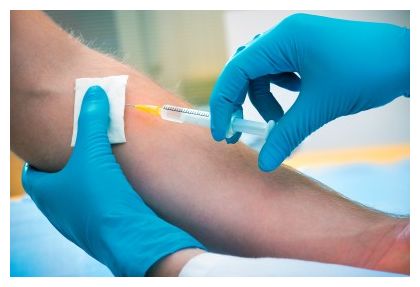
Studies find flu shots can harm your heart, infant and fetus

Flu Vaccine
© GreenMedInfo
Flu vaccines, according to the best scientific evidence available today, will only work against 10% of the circulating viruses that cause the symptoms of seasonal epidemic influenza. Additionally, flu vaccines have been found to elicit inflammatory reactions that may harm the human heart, the developing fetus, and the fragile immune systems of our infants. So, do the theoretical benefits really outweigh the known harms?

In a recent article, The Shocking Lack of Evidence Supporting Flu Vaccines, we addressed the surprising lack of empirical evidence supporting the use of flu vaccines in the prevention of seasonal influenza, in children under two, healthy adults, the elderly, and healthcare workers who care for the elderly.

The reality is that vaccines not only do not work as advertised, but they represent a significant health threat, likely on the same order of magnitude as influenza itself, due to their well-known role in compromising immunological self-tolerance (autoimmunity), as well as by eliciting a wide range of adverse health effects associated with the use of adjuvants, preservatives, foreign animal DNA and cell byproducts, adventitious viruses, and other so-called "inactive ingredients," including even the unnatural route and method of antigen administration itself.[i]

Info

Ebola may have spread to Asia now

Fruit Bat
© Medical Daily
Since its discovery in 1976, outbreaks of Ebola hemorrhagic fever have only appeared in certain pockets of sub-Saharan Africa. However, a new study published in the journal Emerging Infectious Diseases indicates that the virus may have spread beyond the continent of Africa.

The researchers have found antibodies of the virus in bats in Bangladesh, and worry that the virus has spread to humans in mainland Asia.

Researchers from EcoHealth Alliance, a non-profit organization that specializes in conservation and global health concerns, screened bats in the south Asian country of Bangladesh. Of the 276 bats screened, they found Ebola virus antibodies circulating in the blood streams of about 4 percent of the bats.

This finding indicates that the Rousettus fruit bats are a reservoir for Ebola or an Ebola-like virus that has spread to mainland Asia. This finding is particularly troubling because some research has indicated that bats are the primary natural host for the Ebola virus.

Syringe

Fecal transplant more effective than antibiotics for bacterial infection: study

Image
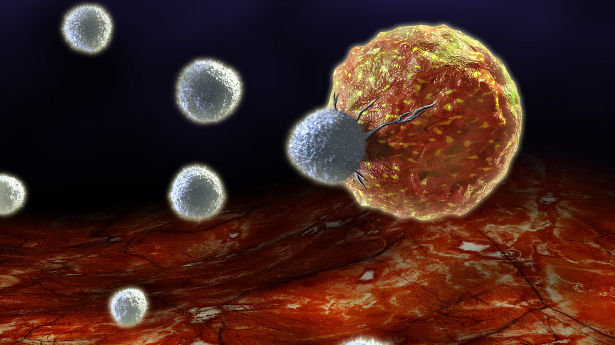
© ShutterstockT-cells attacking an infection
While many people might be more comfortable taking pills to fight off a dangerous infection, it turns out that there may be a more effective treatment: excrement.

A new study found that fecal transplants can be a dramatically more effective course of treatment than antibiotics in the case of at least one kind of bacterial infection, reported the Los Angeles Times.

The study found that transplanting the feces of a healthy individual into someone with the infection Clostridium difficile, or CDI, which kills about 100,000 people annually, cured three times as many people as those who took just antibiotics.

Cell Phone

If WiFi and cell phone radiation are safe, why has Belgium's telecomm boss banned them from his offices?

Image
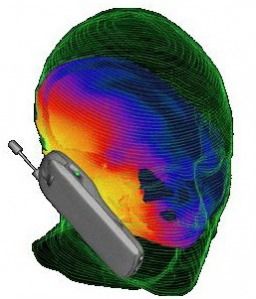
99 percent of the population continue to use WiFi and other wireless devices without a second thought, but a growing number of people are becoming increasingly concerned with the health issues surrounding the use of these technologies. Didier Bellens happens to be one of these people. What makes Mr. Bellens different is that he also runs Belgacom, the largest telecommunications company in Belgium. His concern is such that not only has he chosen to do without WiFi on the 27th floor of Belgacom where his office is situated, he also chooses to do without a cell phone; only taking calls on the office's land line.

Does Mr. Bellem know something we don't?

You would think as the president of Belgacom, Bellens might choose to be a little less vocal about his concerns surrounding the use of WiFi and cell phones; however, he has no qualms about educating others about these issues, especially those of the younger generation. As Bellens explains, "during the day, it is better to use a headset because the GSM, it heats." He goes on to say. "The waves are dangerous. At night, it is better to shut it off."

Health

Pet fish could give you freaky antibiotic-resistant skin diseases

Image
© Fellowship of the Rich/Flickr
Have a freshwater fish tank at home? Stop petting Nemo and Wanda for a minute, and take a deep breath. Ornamental fish in the US, many of which come from Asia, are hosting antibiotic-resistant bacteria which could spread diseases to their human owners, a new report put out by researchers at Oregon State University reveals.

"The range of resistance is often quite disturbing," the authors wrote in their report, which was published in the January edition of the Journal of Fish Diseases. "Imported ornamental fish are commonly colonized with bacterial species of potential human and animal harm."

The researchers examined 32 freshwater fish, including common household species like neon tetras, cory catfish, and flame gouramis. They found that the fish, which came from Colombia, Florida and Singapore, had antibiotic-resistant bacteria that could potentially spread to humans, including Staphylococcus, which causes Staph infections of the skin; Aeromonas, which gives you stomach flu symptoms; and a type of Mycobacterium that causes skin lesions (not to be confused with the kind that breeds tuberculosis.)

Health

WHO: Dengue fever shows potential for global epidemic

Image
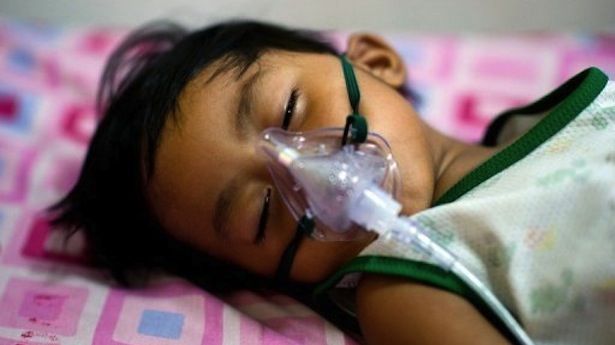
The World Health Organisation said on Wednesday that it had charted progress in the fight against tropical diseases but warned that dengue fever was spreading at an alarming rate.

"In 2012, dengue ranked as the fastest spreading vector-borne viral disease, with an epidemic potential in the world, registering a 30-fold increase in disease incidence over the past 50 years," the Geneva-based UN agency said in a report released Wednesday.

The increased transmission rate of the deadly mosquito-borne disease was due to climate change and a greater movement of people, the agency said.