

© amazon.com
It's taken well over a decade, but the Gluten-Free, Low-Carb Paleo (GFLCP), which is essentially the same kind of high-fat, moderate-protein, low-carb diet I've been promoting, is now hitting the mainstream. Gluten-free diets are also becoming widely recognized.
For those with celiac disease, avoiding gluten is vital, but physicians are also starting to recognize that many have some sort of gluten intolerance, and fare better on a gluten-free diet.
Now, the US Food Administration (FDA) will start to crack down on food manufacturers misusing the gluten-free label, which is good news for those trying to avoid gluten.
Four years ago, I warned that many food products bearing the gluten-free label were in fact contaminated with sometimes high amounts of gluten. In one study, even naturally gluten-free products tested positive to gluten, courtesy of cross-contamination during processing.

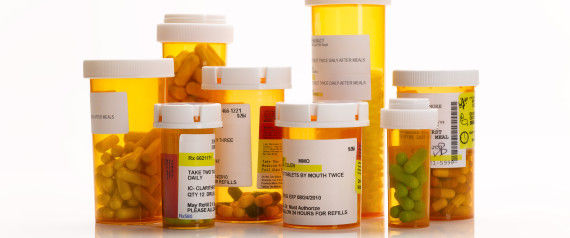












Comment: According to research Drugs for ADHD 'is not the answer'. For more information about how the use of hyperactivity drugs has soared and the serious health effects associated with treating children with amphetamine drugs such as Adderall (dextroamphetamine) and Ritalin (methylphenidate) read the following articles:
- The Over-Prescribing of Psychoactive Drugs to Children: A Scourge of Our Times
- New Warning for Attention Deficit Drugs
- ADHD Drugs: Hallucinations Not Uncommon
- Stimulants for ADHD Shown to Cause Sudden Death in Children
- Do ADHD Drugs Take a Toll on the Brain?
- ADHD - Another Dangerous over Hyped Drug
While the author focuses on information about the 'new' ADD/ADHD drug Strattera (atomoxetine) he makes no mention of the alternatives to drugging children. For more information about how diet can be an effective alternative to drug therapy read the following articles:How to Stop the Epidemic of Attention Deficit Disorder A Better Prescription for Generation Rx