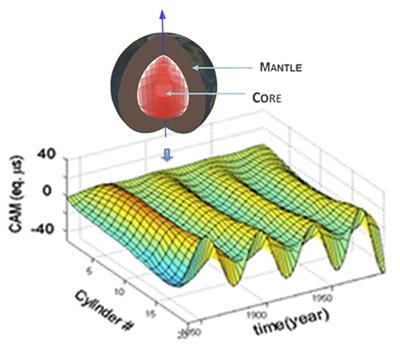
© NASA/JPLBy combining measurements of Earth's magnetic field from stations on land and ships at sea with satellite data, scientists were able to isolate six regularly occurring waves of motion taking place deep within Earth's liquid core, with varying timescales.
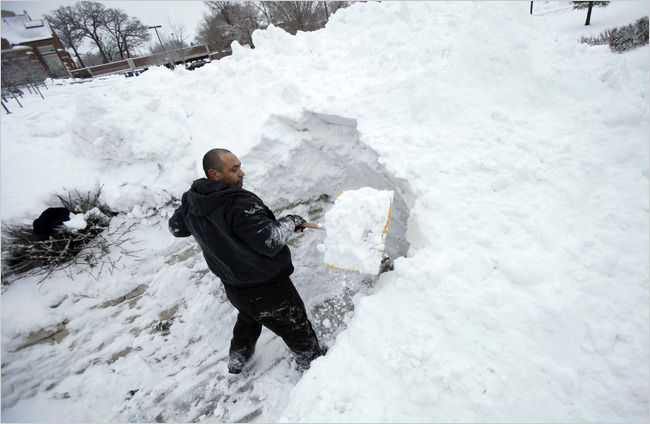
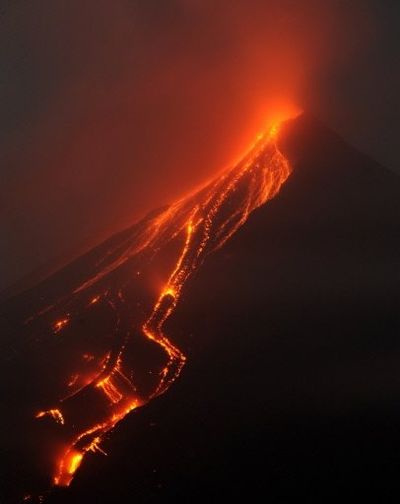
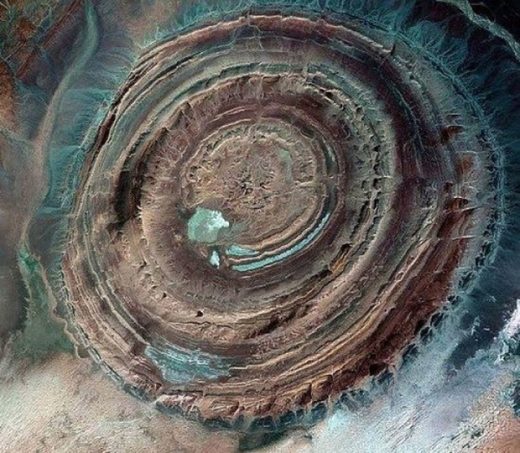
The powerful forces of wind, water and ice constantly erode its surface, redistributing Earth's mass in the process. Within Earth's solid crust, faulting literally creates and then moves mountains. Hydrological changes, such as the pumping of groundwater for use by humans, cause the ground beneath us to undulate. Volcanic processes deform our planet and create new land. Landslides morph and scar the terrain. Entire continents can even rise up, rebounding from the weight of massive glaciers that blanketed the land thousands of years ago.
Indeed, the outermost layers of the celestial blue onion that is Earth-its crust and upper mantle-aren't very solid at all. But what happens if we peel back the layers and examine what's going on deep within Earth, at its very core? Obviously, Earth's core is too deep for humans to observe directly. But scientists can use indirect methods to deduce what's going on down there.