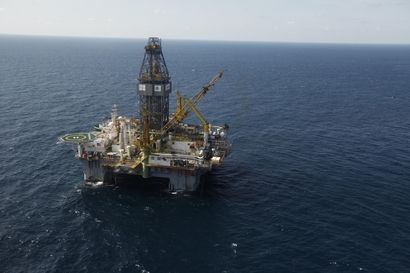
© AP Photo/Gerald Herbert, FileIn this Sept. 18, 2010 file photo, the Development Driller III, which drilled the relief well and pumped the cement to seal the Macondo well, the source of the Deepwater Horizon rig explosion and oil spill, is seen in the Gulf Of Mexico, off the coast of Louisiana. More than 3,200 oil and gas wells classified as active lie abandoned beneath the Gulf of Mexico with none of the cement plugging normally required to help keep unused wells from leaking, threatening the same waters fouled by last year's BP oil spill, The Associated Press has learned.
These wells likely pose an even greater environmental threat than the 27,000 wells in the Gulf that have been plugged and classified officially as "permanently abandoned" or "temporarily abandoned." Those sealed wells were first tallied and reported as a major leaking threat in an investigative report by the AP in July.
The unplugged wells haven't been used for at least five years, and there are no plans to restore production on them, according to the federal government. Operators have not been required to plug the wells because their leases have not expired.
As a result, there is little to prevent powerful leaks from pushing to the surface. Even depleted wells can repressurize from work on nearby wells or shifts in oil or gas layers beneath the surface, petroleum engineers say. But no one is watching to make sure that doesn't happen.
The addition of the unused but officially active wells, as documented in a list provided to the AP by federal officials under the U.S. Freedom of Information Act, means at least three-fifths of the 50,000 wells ever drilled in the Gulf have been left behind with no routine monitoring for leaks.