

© Craig Rubadoux / Florida TodayLightning strikes
Storm-rattled residents will get a slight break from the intense lighting and heavy rains that rumbled through the Labor Day holiday, but weather officials are already warning that the powerful storms could return by the weekend.
"The storms in the last couple of days have been pretty unusual. We've also had a lot of heavy rain and lightning strikes. It's not been technically severe but it has been an active Labor Day weekend," said Scott Kelly, a meteorologist with the National Weather Service in Melbourne.
"It was an impressive lightning show but what we've also heard is that people have been getting a lot of flooding. With the storms people have been getting one or two inches of rain and they're noticing the water on the roads and in their yards, especially in Rockledge and Viera," he said.
At one point Tuesday, meteorologists recorded at least 500 lightning strikes mostly concentrated in Suntree-Viera during a one hour period of time as the intense storms rolled across Central Brevard.











Comment: From earlier this year:
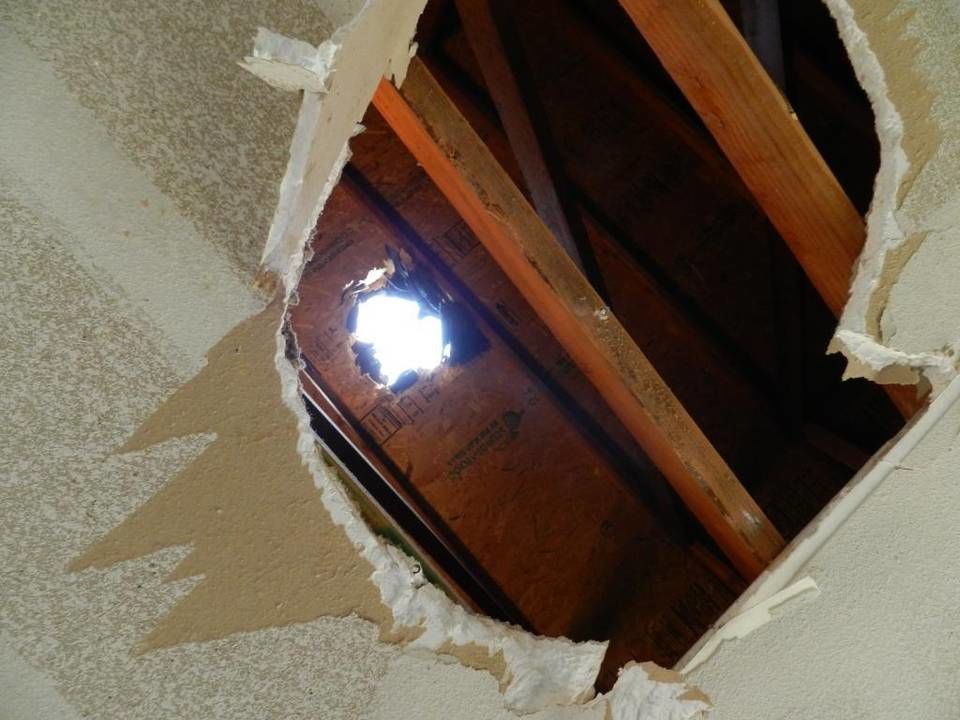
Chunk of ice, megacryometeor, falls from sky mysteriously crashing through Chicago man's ceiling
From a couple of years ago:
Megacryometeor? Giant ice meteor slams to Earth near kids playing in Tennessee
And from 8 years ago:
50-pound Ice Chunks Fall From Sky
Car-destroying chunk may be icy meteor