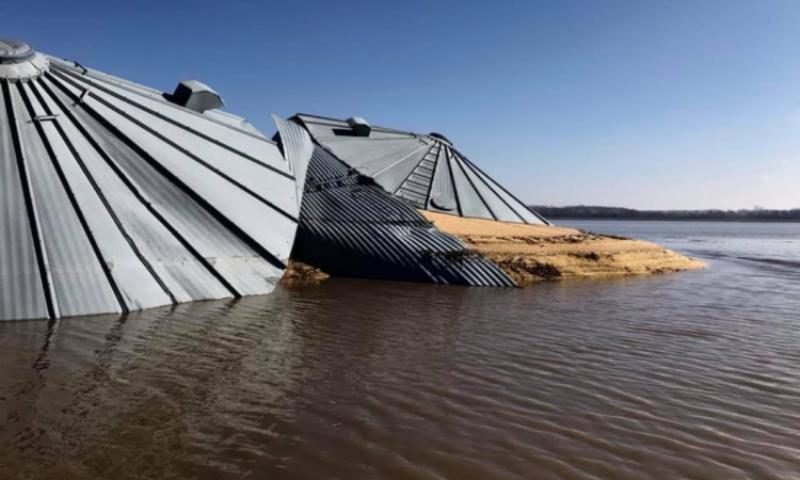
FDA now requiring and flooded grain holding bins, facilities or warehouses that river water touched to destroy the grain, and cannot even be used for animal food. There will be no top vacuum to save dried untouched grain, the entire bin will be disposed of. Massive record floods move down the Mississippi toward the largest grain storage facilities in the USA which will be breached. Hoping the pumps can keep water out, but doubtful.
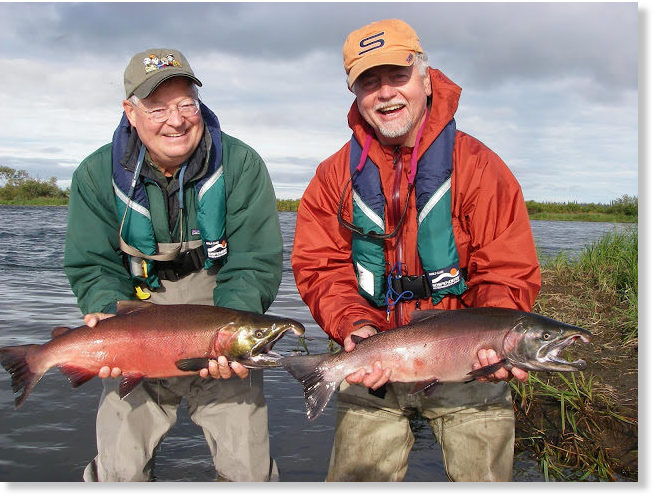
The latest study shows an increase in levels of Fukushima-related contamination off the shores of Alaska, regular readers of The Big Wobble will know Bill Laughing-Bear has been keeping an eye on fish in Alaskan waters and has warned us all of rising radioactive contamination for years now.
Recently other warnings have been published as the slow drip-drip-drop of information is slowly increasing.
In 2017, A study by the University of Hawaiʻi at Mānoa revealed almost 50% of fish consumed on the islands of Hawai'i were contaminated with caesium 134 the radioactive finger-print of Fukushima.
The report also showed that migrating organisms can transport the Fukushima-signature (caesium 134) over significant distances as they showed detectable 134Cs (6.3±1.5 Bq/kg) in Pacific bluefin tuna caught off the California coast only a year after the incident.
Another study found caesium 134 in longfin tuna (Albacore) along the western coast of the US just one year after the Fukushima disaster.
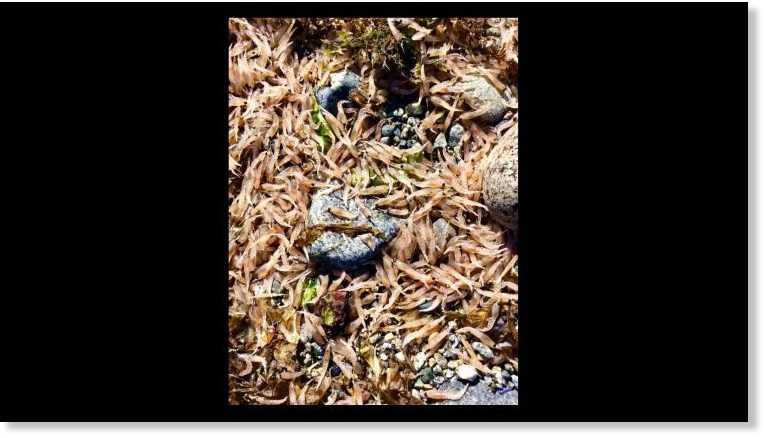
A photo of the krill, sourced from the Facebook page of Darlene Williams.
An apparent mass death of krill near Powell River has a fisheries scientist concerned.
The die-off was first discovered along the shoreline just southeast of the Beach Gardens Resort and Marina, on Wednesday evening. A post by Powell River resident Darlene Williams stated that she saw what appeared to be "1000 dead baby prawns".
Photos show many small animals washed up on the beach.
The MyPowellRiverNow.com newsroom reached out to DFO for comment on what took place. According to zooplankton taxonomist Moira Galbraith, who works at the Institute of Ocean Sciences in Patricia Bay, the animals appeared to be female krill in the process of mating, or having recently mated.
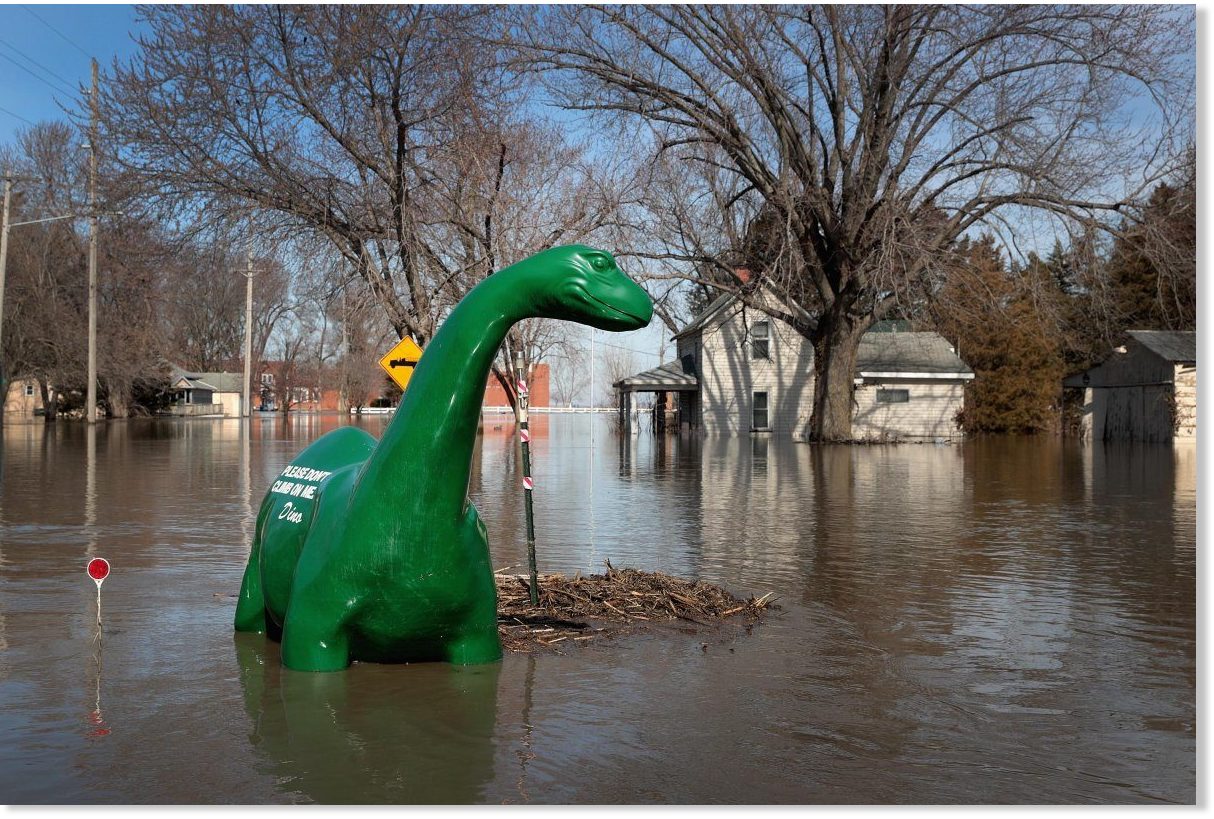
Flooding in the Midwest is posing a risk of contamination to more than 1 million private wells that supply drinking water to rural areas in the region, The Associated Press reported Tuesday.
The AP reported that the National Ground Water Association, a trade group, said there are 1.1 million private wells in 300 flooded counties across 10 states in the Midwest.
Those states are Illinois, Indiana, Iowa, Kansas, Kentucky, Minnesota, Missouri, Nebraska, South Dakota and Wisconsin, according to the AP.
Flooding creates the possibility that water from the flood will get into the wells and contaminate the water.
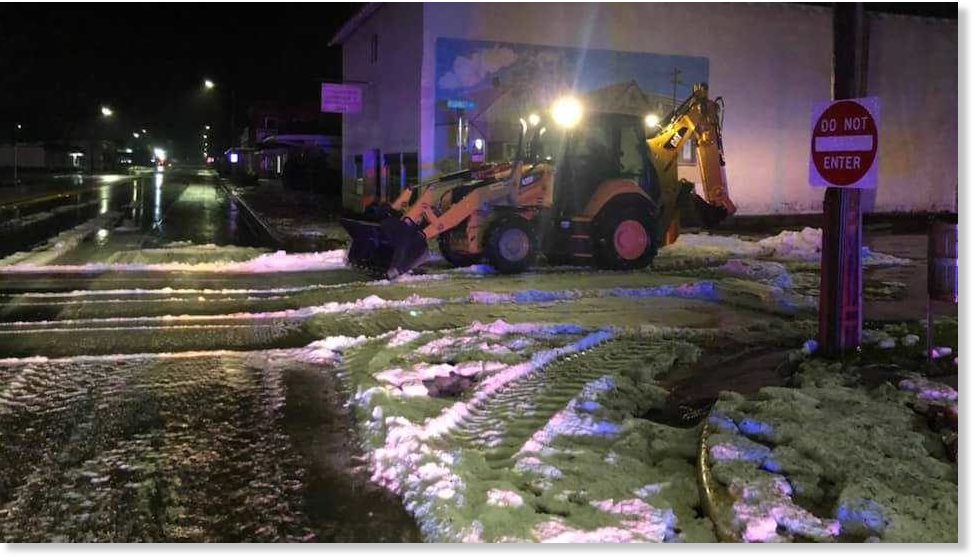
Hail as large as golf balls pelted a large swath of central Florida Wednesday morning as heavy storms battered the region.
Florida Today reported that windows were shattered, pool screens blown apart and cars damaged, while piles of ice up to two inches high covered the ground in some areas along the Space Coast in Brevard County.
"It's been a long time since Brevard has seen this," Matt Volkmer, a meteorologist with the National Weather Service in Melbourne, told the newspaper. "This system was a little stronger than expected."
Wind gusts up to 47 mph were recorded later in the day at Port Canaveral as the blustery weather continued, bringing with it rough seas and waves of 7 to 9 feet.
Joseph Ostapiuk silive.com Fri, 29 Mar 2019 19:47 UTC
A 16-year routine for two dog owners from Eltingville ended in horror after the couple's Pomeranian was brutally attacked and killed by a passing pit bull who overpowered the child who was walking it.
The couple, who spoke to the Advance under the condition their name not be published, said that their beloved dog would commonly follow the female homeowner without a leash as she took out the garbage for the evening.
The couple's dog, as shown in the dramatic and gruesome video captured by the family's Ring doorbell on March 16, follows the homeowner and walks to the curb a few feet away before urinating by a mailbox.
Shortly after, a pit bull being walked on a leash by a small grade-school child crosses paths with the family pet.
The pit bull viciously and unexpectedly latches onto the Pomeranian "like a chew toy," the homeowner said, "and threw him around."
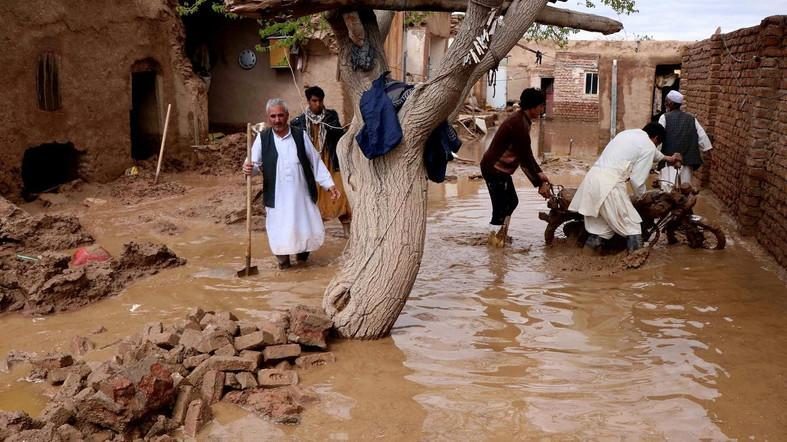
Heavy rains caused flash floods in western Afghanistan that killed at least 17 people, destroying homes and sweeping through makeshift shelters that housed displaced families, a government official said on Saturday.
Two days of flooding that started on Thursday killed 12 people in Jawzjan and two in Badghis, provinces that border Turkmenistan, said Hasibullah Shir Khani, a spokesman for Afghanistan's National Disaster Management Authority.
Two others were killed in Herat and another in Sar-e Pul province, he said.
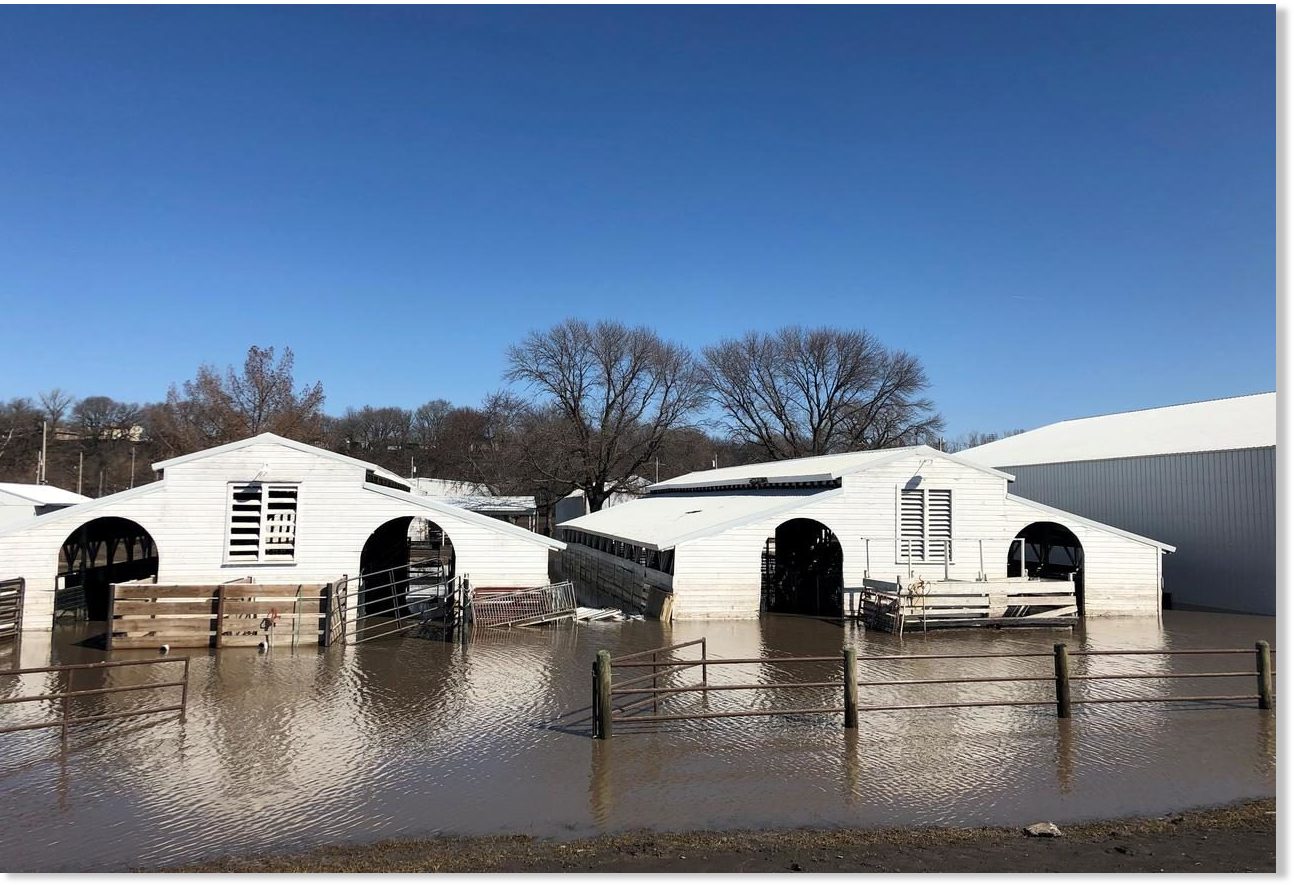
At least 1 million acres (405,000 hectares) of U.S. farmland were flooded after the "bomb cyclone" storm left wide swaths of nine major grain producing states under water this month, satellite data analyzed by Gro Intelligence for Reuters showed.
Farms from the Dakotas to Missouri and beyond have been under water for a week or more, possibly impeding planting and damaging soil. The floods, which came just weeks before planting season starts in the Midwest, will likely reduce corn, wheat and soy production this year.
"There's thousands of acres that won't be able to be planted," Ryan Sonderup, 36, of Fullerton, Nebraska, who has been farming for 18 years, said in a recent interview.
"If we had straight sunshine now until May and June, maybe it can be done, but I don't see how that soil gets back with expected rainfall."







Comment: See also: