Science of the SpiritS


Hearts

How to heal the wounds in your heart

child within
In each of us, there is a young, suffering child. We have all had times of difficulty as children and many of us have experienced trauma. To protect and defend ourselves against future suffering, we often try to forget those painful times. Every time we're in touch with the experience of suffering, we believe we can't bear it, and we stuff our feelings and memories deep down in our unconscious mind. It may be that we haven't dared to face this child for many decades.

But just because we may have ignored the child doesn't mean she or he isn't there. The wounded child is always there, trying to get our attention. The child says, "I'm here. I'm here. You can't avoid me. You can't run away from me." We want to end our suffering by sending the child to a deep place inside of us and staying as far away as possible. But running away doesn't end our suffering; it only prolongs it.

The wounded child asks for care and love, but we do the opposite. We run away because we're afraid of suffering. The block of pain and sorrow in us feels overwhelming. Even if we have time, we don't come home to ourselves. We try to keep ourselves constantly entertained - watching television or movies, socializing, or using alcohol or drugs — because we don't want to experience that suffering all over again.


People

Beat the blues by hanging out with your friends

group of friends social interaction
Those suffering from feeling unhappy and experiencing elevated depressive symptoms--respond to positive experiences with a marked reduction in their depressive mood according to a recent study in the Journal of Clinical Psychology.

They found that experiencing or even just anticipating uplifting events in daily life was related to feeling less depressed that same day. Happiness changes your cells.

The study, conducted by University of Rochester assistant professor of psychology Lisa Starr and Rachel Hershenberg, assistant professor of psychiatry and behavioral sciences at Emory University, found that a decrease in depressive mood was especially marked when the experience included interpersonal uplifts, such as participating in fun activities with friends or family.

"It's the social activities--positive, everyday experiences that involve other people--that may be most likely to brighten the mood of those struggling with depression," says Starr.

Comment: Thank you, Dr. Obvious.


Snowflake Cold

Cool, calm and collected: The perception of cold increases cognitive control

sled dogs
The perception of cold temperatures brings about greater cognitive control, even from a photo, according to researchers at Ben-Gurion University of the Negev.

Cognitive control is the ability to deliberately inhibit responses or make choices that maximize the long-term best interests of the individual. For example, when a person is very hungry and sees a sandwich but does not eat it, he is exhibiting cognitive control.

Lead researcher Dr. Idit Shalev of the Ben-Gurion University (BGU) Department of Education says:
"Metaphorical phrases like 'coldly calculating,' 'heated response,' and 'cool-headed' actually have some scientific validity, which we demonstrate in our study. Previous research focused on the actual effect of temperature on the psychological phenomenon known as 'cognitive control.' But this is the first time we were able to measure the effects of perceived temperature."

Heart - Black

Pet loss: Lessons in grief

"Until one has loved an animal, a part of one's soul remains unawakened." — Anatole France

pet loss
© shutter stock
On Jan. 22, following a three-week whirlwind diagnosis and decline, my husband and I said goodbye to our 6.5-year-old goldendoodle, Lily. Her disease had rendered this Frisbee-catching superstar unable to stand or walk. She needed to be carried outdoors to "get busy," and she no longer had the stamina to stay awake for extended periods of time.

We spent the entire last weekend with Lily in the emergency room as she struggled against various gastrointestinal issues and, finally, internal bleeding. Her vet and neurologist felt that the disease had progressed and her prognosis was bleak. It was then that we made the most difficult decision we have ever made — to let her go. We took time lying with her, holding her, reminiscing ... and stayed with her until her last heartbeat.

Comment: Why losing a dog can be just as hard as losing a relative or friend


Network

Philosophy professor on Ian Stevenson's reincarnation research: 'It's irrational to disbelieve it'

Dr. Ian Stevenson
© Society for Psychical ResearchDr. Ian Stevenson
Philosophy professor Dr. Robert Almeder of Georgia State University discusses reincarnation and societal reactions, focusing especially on the work of the late Dr. Ian Stevenson, 7/24/2000.


Family

Descartes was wrong: 'a person is a person through other persons'

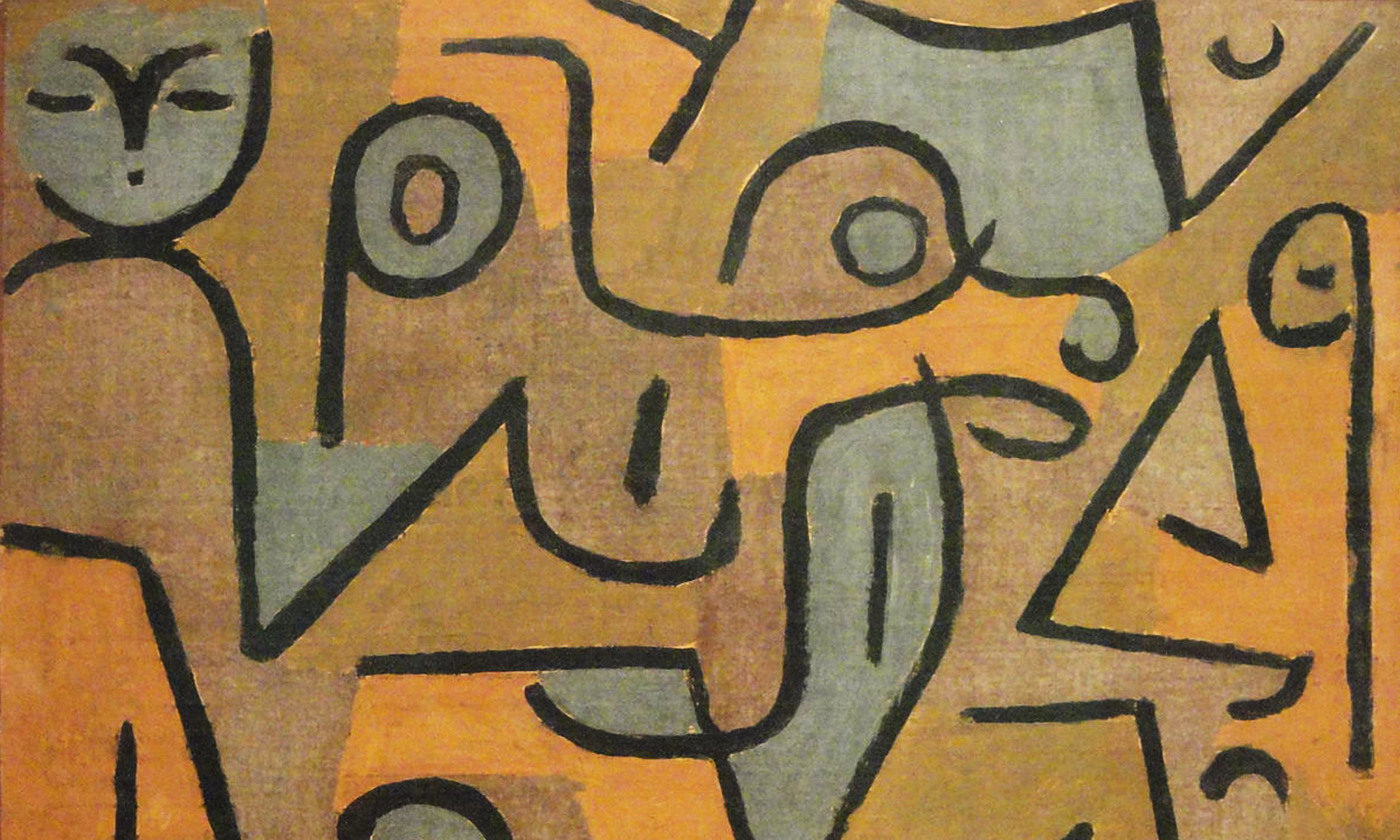
Detail from Young Moe
© Phillips collection/WikipediaDetail from Young Moe (1938) by Paul Klee.
According to Ubuntu philosophy, which has its origins in ancient Africa, a newborn baby is not a person. People are born without 'ena', or selfhood, and instead must acquire it through interactions and experiences over time. So the 'self'/'other' distinction that's axiomatic in Western philosophy is much blurrier in Ubuntu thought. As the Kenyan-born philosopher John Mbiti put it in African Religions and Philosophy (1975): 'I am because we are, and since we are, therefore I am.'

We know from everyday experience that a person is partly forged in the crucible of community. Relationships inform self-understanding. Who I am depends on many 'others': my family, my friends, my culture, my work colleagues. The self I take grocery shopping, say, differs in her actions and behaviours from the self that talks to my PhD supervisor. Even my most private and personal reflections are entangled with the perspectives and voices of different people, be it those who agree with me, those who criticise, or those who praise me.

Boat

The virtue of despair

tree

Out of such abysses, from such severe sickness one returns newborn, having shed one's skin, more ticklish and malicious, with a more delicate taste for joy, with a more tender tongue for all good things, with merrier senses, with a second dangerous innocence in joy, more childhood and yet a hundred times subtler than one has ever seen before. — Friedrich Nietzsche


Like most writers and artists, I sometimes feel the dark knight of the soul. I felt it tonight, struggling to express the ideas I wanted to express, to flesh out the outline that once seemed so clear. I've experienced this feeling enough now to know that it is a necessity to creative birth. Indeed, despair allows the opportunity for rebirth. When one has hit rock bottom, the only thing that remains is possibility.

People 2

Primates and the evolution of empathy

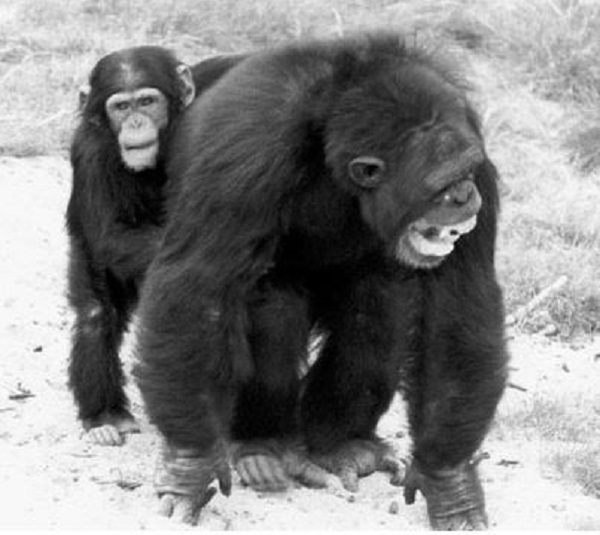
chimps
© Frans de WaalAn example of consolation among chimpanzees: A juvenile puts an arm around a screaming adult male, who has just been defeated in a fight with his rival. Consolation probably reflects empathy, as the objective of the consoler seems to be to alleviate the distress of the other.
Once upon a time, the United States had a president known for a peculiar facial display. In an act of controlled emotion, he would bite his lower lip and tell his audience, "I feel your pain."

Whether the display was sincere is not the issue here; how we are affected by another's predicament is. Empathy is second nature to us, so much so that anyone devoid of it strikes us as dangerous or mentally ill.

At the movies, we can't help but get inside the skin of the characters on the screen. We despair when their gigantic ship sinks; we exult when they finally stare into the eyes of a long-lost lover.

We are so used to empathy that we take it for granted, yet it is essential to human society as we know it. Our morality depends on it: How could anyone be expected to follow the golden rule without the capacity to mentally trade places with a fellow human being? It is logical to assume that this capacity came first, giving rise to the golden rule itself. The act of perspective-taking is summed up by one of the most enduring definitions of empathy that we have, formulated by Adam Smith as "changing places in fancy with the sufferer."

Brain

New study says your breath is your brain's remote control

breath
For centuries, yogis have been expressing the incredible benefits meditation can provide. More recently, meditation has become a more mainstream means of treating anxiety and stress, as deep breathing has been proven to calm the nervous system and reduce our heart rate. Avid meditators or individuals who practice breathing techniques typically report that such practices have the ability to silence or slow down the mind. This begs the question: How exactly does meditation and controlled breathing affect our brain?

We've all heard the saying "take a deep breath," and there's actually some merit to that. A new study published in the Journal of Neuroscience found that there's a direct link between nasal breathing and our cognitive function.

Comment: Deep Breathing Exercises Can Improve Your Life


Frog

Reconnecting with nature makes us healthier & happier

The Mind Well
© The Mind Well
Over 100 studies have shown that being in nature—or even watching it in videos—benefits our brains, bodies, feelings, thought processes, and social interactions.

Humans have long intuited that being in nature is good for the mind and body. From indigenous adolescents completing rites of passage in the wild to modern East Asian cultures taking "forest baths," many have looked to nature as a place for healing and personal growth.

Why nature? No one knows for sure; but one hypothesis derived from evolutionary biologist E. O. Wilson's "biophilia" theory suggests that there are evolutionary reasons people seek out nature experiences. We may have preferences to be in beautiful, natural spaces because they are resource-rich environments—ones that provide optimal food, shelter, and comfort. These evolutionary needs may explain why children are drawn to natural environments and why we prefer nature to be part of our architecture.

Now, a large body of research is documenting the positive impacts of nature on human flourishing—our social, psychological, and emotional life. Over 100 studies have shown that being in nature, living near nature, or even viewing nature in paintings and videos can have positive impacts on our brains, bodies, feelings, thought processes, and social interactions. In particular, viewing nature seems to be inherently rewarding, producing a cascade of positive emotions and calming our nervous systems. These in turn help us to cultivate greater openness, creativity, connection, generosity, and resilience.

Comment: Researchers find that walking in a forest optimizes natural immunity