
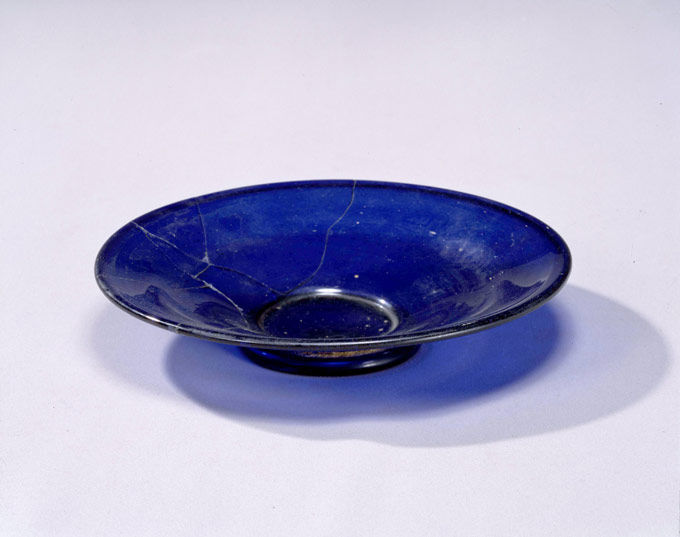
© Tokyo National MuseumScientists determined that this glass dish found in Japan came from ancient Rome.
A round cut glass bowl, discovered with the glass plate, was found to have originated in Sassanid Persia (226-651), the researchers said.
The dish and bowl were retrieved together from the No. 126 tumulus of the Niizawa Senzuka cluster of ancient graves, a national historic site. The No. 126 tumulus dates back to the late fifth century.
The researchers' scientific studies show that fifth-century Japan imported glasswork, and that there was a wide range of trade between the East and the West.
"The dish was likely produced around the Mediterranean Sea and then transferred to Sassanid Persia," said team leader Yoshinari Abe, an assistant professor of analytical chemistry at the Tokyo University of Science. "After it was painted there, the plate was probably taken to Japan."













Comment: Siberia has a long and rich history that is only now coming to light.