
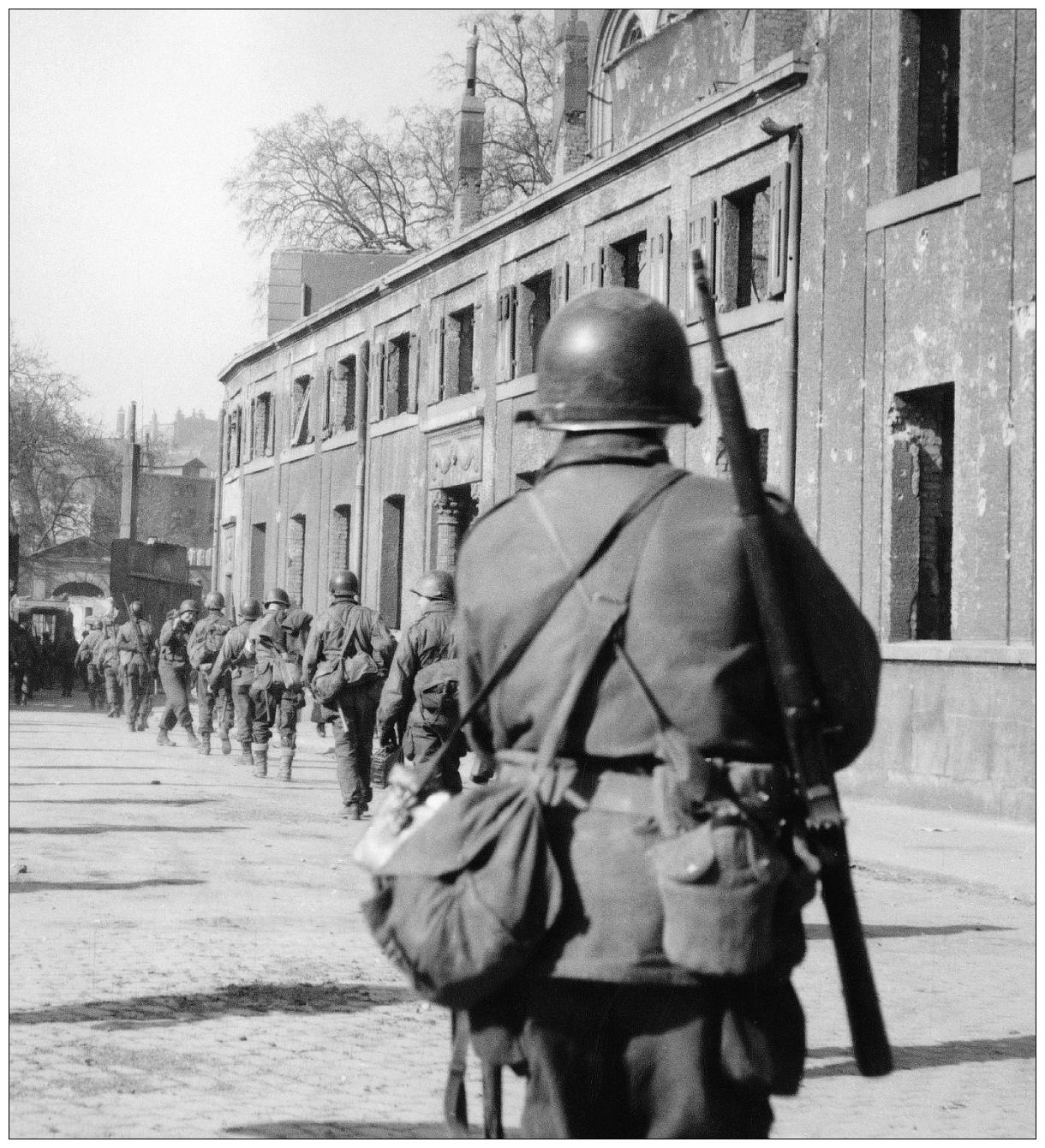
© FP, Getty Images File , London Daily TelegraphAllied troops are shown entering the city of Mainz, Germany, on March 30, 1945. A German historian claims hundreds of thousands of German women were raped by British, U.S. and French soldiers.
In a new book, Miriam Gerhardt, a well-regarded German academic, challenges the established view that Soviet troops were responsible for the vast majority of rape cases in occupied Germany.
"The assumption that Western Allied soldiers would not do such a thing turned out not to be true," she told the broadcaster Deutsche Welle. "In the method and violence of rape there was no difference between American GIs and the Red Army, as far as I can see."
Gerhardt drew on detailed accounts kept by Bavarian Roman Catholic priests on individual cases for her book, When the Soldiers Came.












Comment: In spite of all the evidence people still seem to have the image of Celts as howling savages.
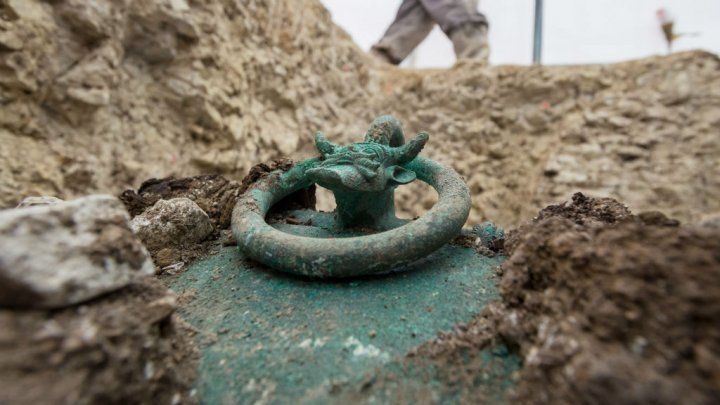
Archaeologists discover bronze remains of Celtic Iron Age chariot