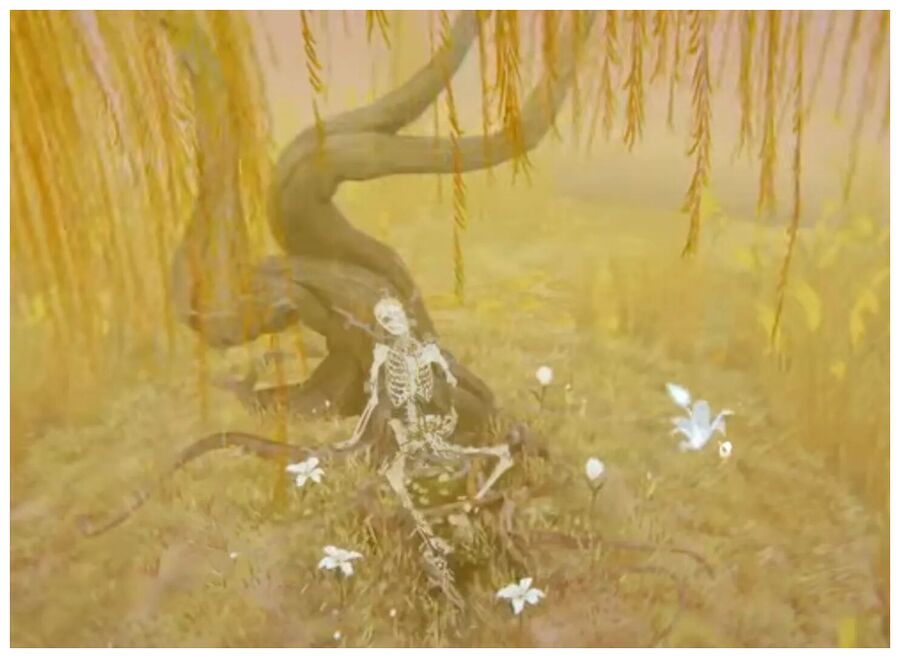
© Shrew Views
It is obvious we no longer have the same quality relationship with nature that we used to. In fact, humans have been trying to distance themselves from dirty, savage, ugly nature since man discovered he might actually be different than the beasts he encountered — the beasts could easily dominate and eat.
One primary reason why man opposed Darwin's theories so vehemently is that humans abhorred the idea that we might be related to such disgusting beasts as apes. They saw utterly no correlation with such animals: they were stupid, they defecated in the woods, they didn't wear clothes, they were ugly, and of course, the most important reason, they were not God's chosen animal. (Just for the record, I do not wholeheartedly believe in Darwin's theories myself, but not because I find animals disgusting.)
Before Darwin's theories swept the human world, humans never even considered the idea we descended from anything at all in nature. It seemed we were obviously "connected" in some way —
we were physically related to other mammals, we had two eyes, a head, two arms, teeth, etc. but we were so radically different in spirit, intelligence (so we thought) and other obvious things we would be fine, if not better off, to distance ourselves from any of that dirty stuff we call "nature."
Western man's concerted effort to separate himself from nature traces back to the Enlightenment era, when thinkers like René Descartes proclaimed
Cogito, ergo sum ("I think, therefore I am"), positioning human reason as supreme and distinct from the mechanistic, soulless world of animals and the natural environment.
This dualism framed nature as a resource to be conquered through science and industry, culminating in the Industrial Revolution's factories, urban sprawl, and exploitation of resources. Religious influences, particularly Judeo-Christian interpretations of Genesis — where
man is granted "dominion" over the earth — further justified subjugation, viewing wilderness as chaotic and in need of taming. By the 19th century, Romanticism briefly pushed back with ideals of sublime nature, but Victorian hygiene movements and urbanization accelerated the divide, associating rural life with backwardness and disease while celebrating sanitized, controlled city environments.






















Comment: See also: NewsReal: Epstein Files - Trump Desperate to Put 'America First' Genie Back in Bottle