
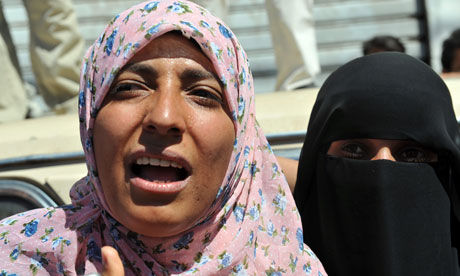
© Yahya Arhab/EPATawakul Karman, the Yemeni human rights activist , has received death threats after refusing a government position.
But the outspoken journalist and human rights activist has long been a thorn in Ali Abdullah Saleh's side, agitating for press freedoms and staging weekly sit-ins to demand the release of political prisoners from jail - a place she has been several times herself.
Now inspired by the uprising in Tunisia and the resignation of Hosni Mubarak in Egypt, she finds herself at the head of a popular protest movement which is shaking the Yemeni regime to its core.
"With two civil wars, an al-Qaida presence and 40% unemployment, what else is President Saleh waiting for? He should leave office now," she says, claiming that Yemen, like Tunisia and Egypt, needs an end to a dictatorship in the guise of a presidency.
"This revolution is inevitable, the people have endured dictatorship, corruption, poverty and unemployment for years and now the whole thing is exploding," she says.

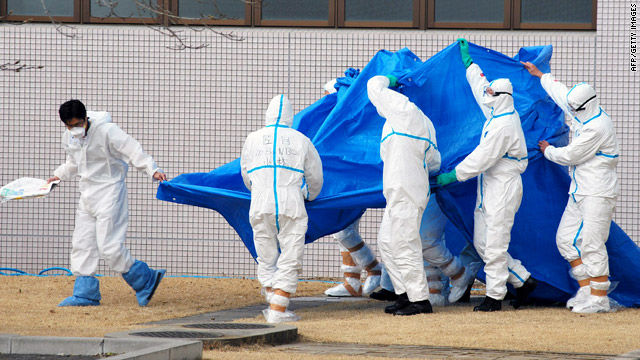

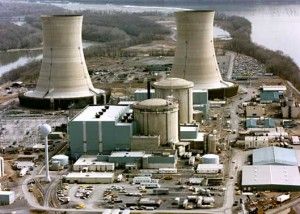

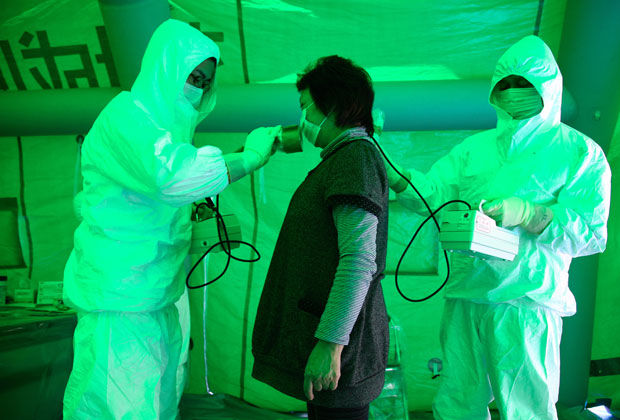


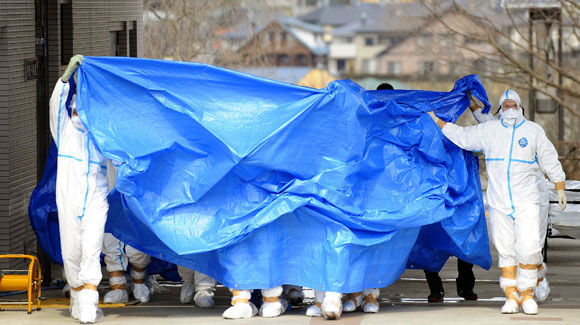




Comment: While Ian Hutchinson is 'not particularly alarmed', being safely ensconced at MIT, the Japanese Prime Minister called the country's ongoing fight to stabilize the plant "very grave and serious."
A somber Prime Minister Naoto Kan sounded a pessimistic note at a briefing hours after nuclear safety officials announced what could be a major setback in the urgent mission to stop the plant from leaking radiation, two weeks after a devastating earthquake and tsunami disabled it.
"The situation today at the Fukushima Dai-ichi power plant is still very grave and serious. We must remain vigilant," Kan said. "We are not in a position where we can be optimistic. We must treat every development with the utmost care."
So, perhaps it's time for those like Mr. Hutchinson to stop clouding the issue with denials and start to warn people of the reality of the situation so that they can take action to realistically protect themselves.