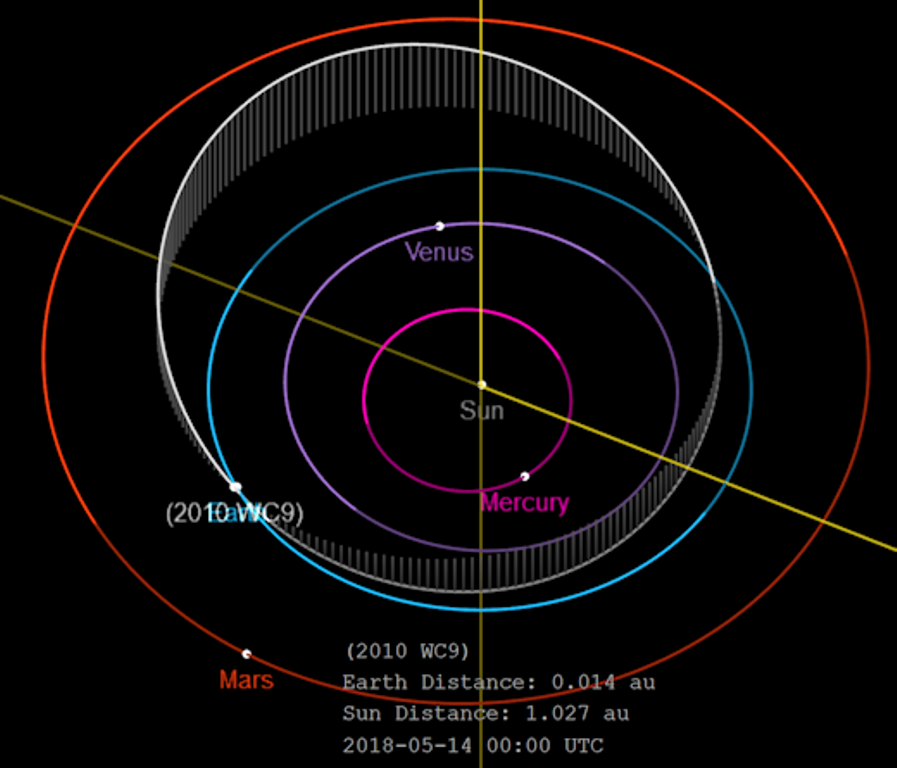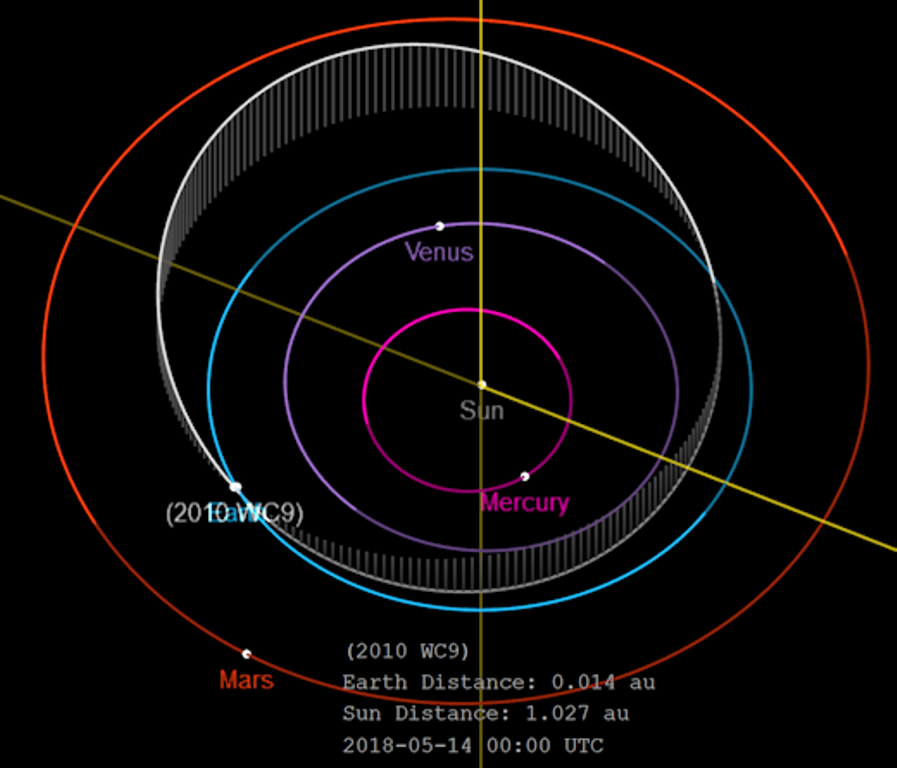
© JPL/NASAAsteroid 2010 WC9
Last night in Australia, near-Earth asteroid 2010 WC9 glided silently across the starry sky of Brisbane while the city's residents slept. Well... not
every resident slept. Amateur astronomer
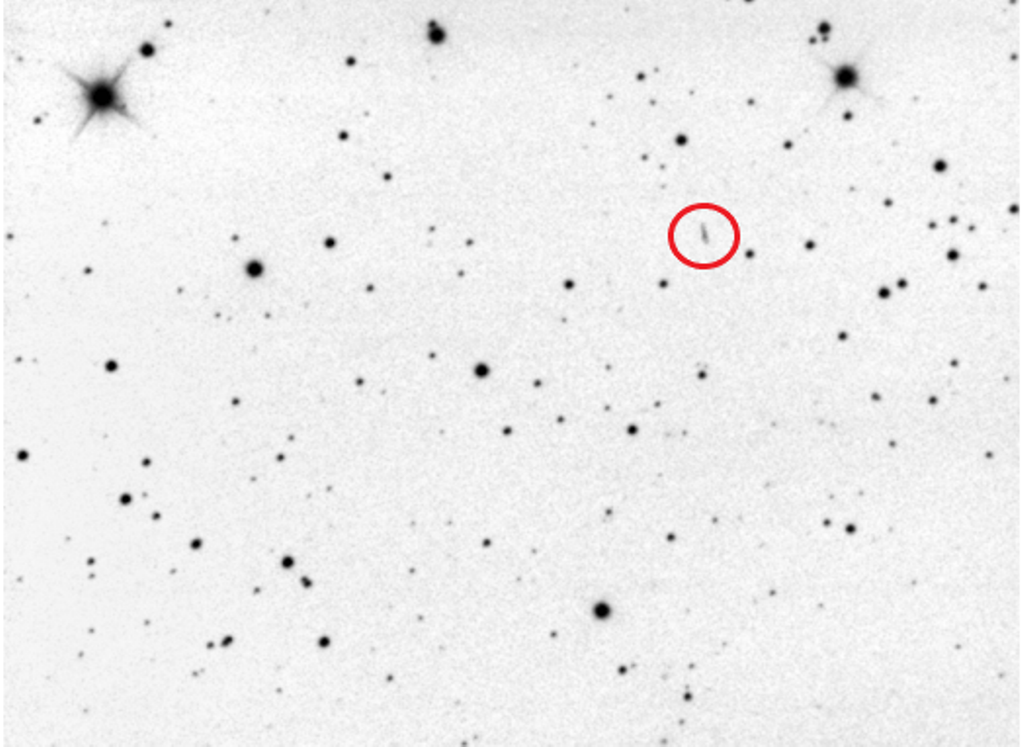
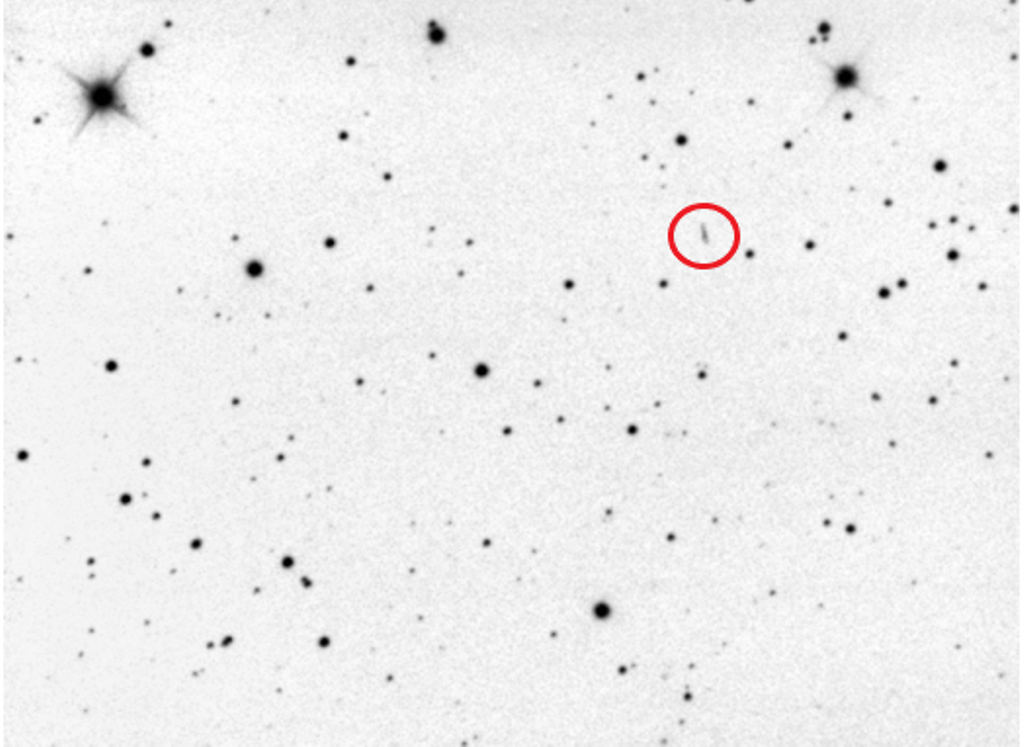
© Dennis SimmonsAsteroid 2010 WC9
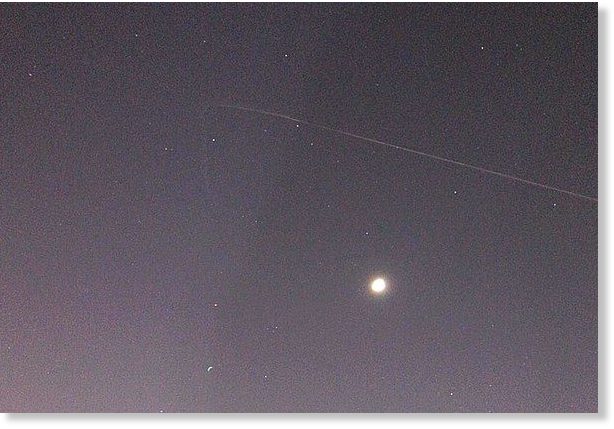
Dennis Simmons was wide awake and recorded the flyby:
"The asteroid moved rapidly through the constellation Hercules shining about as brightly as a 15th magnitude star," says Simmons. "The 'wobbly' appearance of the trail is as a result of slight periodic errors in the telescope mount's gear train. This is not caused by the asteroid tumbling!"
Tonight, the view will improve - a lot.
On May 15th, 2010 WC9 will fly through the Earth-Moon system, splitting the distance between our planet and the Moon. At closest approach (203,000 km), the asteroid will glow like an 11th magnitude star (~40 times brighter than shown above) as it races through the southern constellation Pavo (the Peacock).
2010 WC9 is known as the "
lost asteroid" because
astronomers lost track of it soon after it was discovered in November 2010. The asteroid receded from Earth and didn't return for nearly 8 years... until now.