
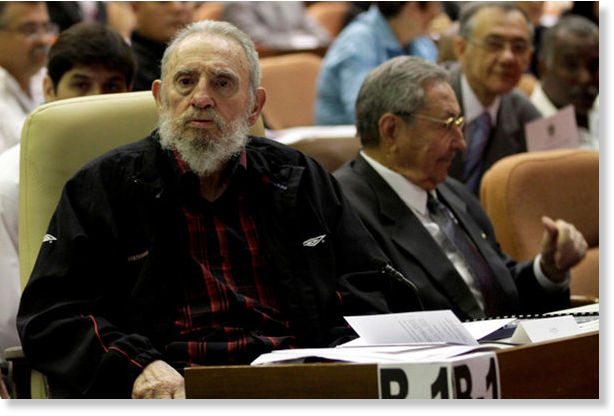
© Ismael Francisco / AFP/Getty Images / February 24, 2013Former Cuban president Fidel Castro, left. sitting next to his brother and current president, Raul, as Cuba's new National Assembly meets February 24.
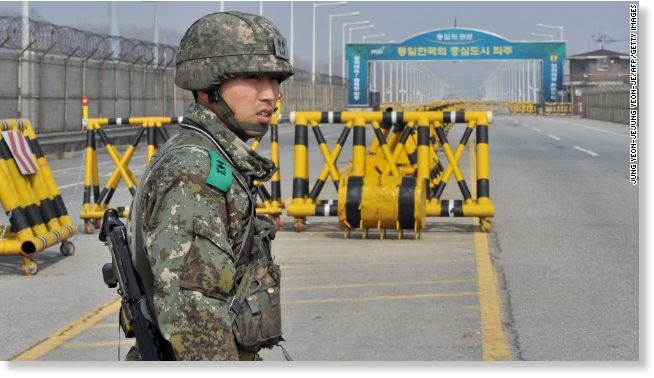
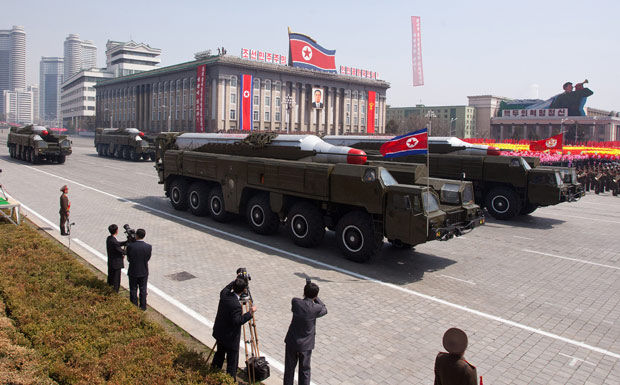
North Korea has stepped up its belligerent talk, recently declaring it had entered a state of war with South Korea and threatening a nuclear attack on the United States. Analysts say North Korea is not yet capable of carrying out such a strike, but the escalating threats have grabbed global attention.
Castro said he delivered his message as a friend, recalling "the honor of knowing" former North Korean leader Kim Il Sung, "a historic, strikingly valiant and revolutionary figure" and the late grandfather of current leader Kim Jong Un.
The impassioned message is the first Castro has written in Cuban state media since June 2012, according to the Associated Press.












Comment: To put the above into context, see: Israel's formula for a starvation diet
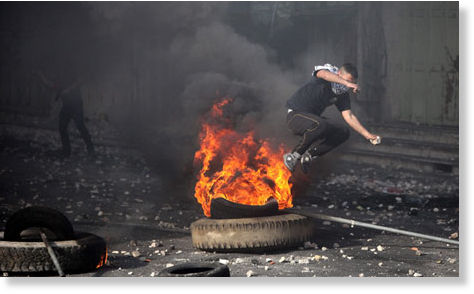
Six and a half years go, shortly after Hamas won the Palestinian national elections and took charge of Gaza, a senior Israeli official described Israel's planned response. "The idea," he said, "is to put the Palestinians on a diet, but not to make them die of hunger."
Although Dov Weisglass was adviser to Ehud Olmert, the prime minister of the day, few observers treated his comment as more than hyperbole, a supposedly droll characterisation of the blockade Israel was about to impose on the tiny enclave.
Last week, however, the evidence finally emerged to prove that this did indeed become Israeli policy. After a three-year legal battle by an Israeli human rights group, Israel was forced to disclose its so-called "Red Lines" document. Drafted in early 2008, as the blockade was tightened still further, the defence ministry paper set forth proposals on how to treat Hamas-ruled Gaza.
Health officials provided calculations of the minimum number of calories needed by Gaza's 1.5 million inhabitants to avoid malnutrition. Those figures were then translated into truckloads of food Israel was supposed to allow in each day.